
Reviewed · JAIPUR HERITAGE WALKING TOURS
Jaipur walking tour.
Jaipur’s grand palaces are only half the story. This private morning walk with Deepak takes you into the old city’s lanes, where bangle makers, priests, chai sellers, food vendors, and shopkeepers keep its traditions moving. You see Jaipur as a lived-in city, not just a line of famous sights.
I like the tour’s focus on ordinary daily life, especially the chance to see artisans at work and hear how caste, religion, and trade shaped the old city. I also like the early 7:30 am start, which gives you a cooler, quieter look at the streets and includes snacks along the way.
The main drawback is that this is not a monument-heavy tour. If you want a checklist of Jaipur’s major palaces, forts, or formal buildings, choose a sightseeing tour instead. You should also be ready for uneven streets, crowded lanes, garbage in some corners, and temple customs that require modest clothing.
Key points at a glance
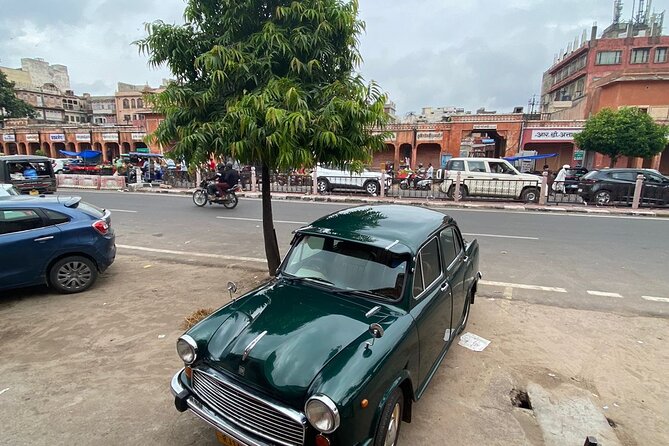
- Johri Bazaar with local context: Walk through Jaipur’s historic jewelry district while learning how merchants, craftsmen, and neighborhoods fit together.
- A private walk with Deepak: Only your group takes part, allowing room for questions and a personal look at Jaipur.
- Temples, schools, and working lanes: The route can include places tied to everyday community life, not only preserved buildings.
- Small food experiences: Snacks are included, while breakfast and private transport are not.
- A useful early start: Meet at Sanganeri Gate at 7:30 am for about two and a half hours on foot.
- Dress for temple visits: Wear long pants and long sleeves, and choose shoes that come off easily.
Why this Jaipur walk feels different
Many Jaipur tours move from one grand building to the next. This one turns your attention toward the spaces between those landmarks: narrow lanes, old havelis, shrines, workshops, school surroundings, and market fronts.
That change in focus matters. A palace can tell you how a ruler lived, but a working bazaar shows how a city earned its living. Here, you hear about the people who made Jaipur function: traders, priests, artisans, food sellers, and families whose routines are tied to the old city.
Deepak is central to the experience. His approach is personal rather than scripted, with stories about Jaipur’s faith, caste, customs, and neighborhood life woven into what you are seeing. The walk is designed to make you pause and ask why a lane developed in a certain way, why a particular craft belongs in a certain market, or how old beliefs still affect modern routines.
I would not book this expecting a formal lecture. The appeal is conversation, observation, and the small details that are easy to miss when you are moving between major attractions by car.
More heritage walks in Jaipur:
- Jaipur Bazaar & Food Walking Tour
★ 5.0 · 281 reviews - Heritage Walk & Street Food Tasting in Jaipur
★ 5.0 · 158 reviews - Jaipur Heritage Walking Tour – Local life, Havelis and Temples
★ 5.0 · 72 reviews
Starting at Sanganeri Gate at 7:30 am
The meeting point is Sanganeri Gate in the Pink City, and the start time is 7:30 am. That early hour shapes the whole outing.
You begin before the day’s heat becomes tiring. Jaipur’s streets are also easier to read in the morning, when vendors are setting up and local activity is already underway without the full pressure of the later crowds. You will still encounter scooters, horns, calls from sellers, and busy lanes. This is a city walk, not a quiet stroll.
The tour lasts about two hours and 30 minutes, and it ends back at the meeting point. Since no private transportation is included, you should plan to arrive at Sanganeri Gate on your own and wear shoes suited to walking.
The early start is worth considering carefully. It is useful if you are arriving with a full sightseeing day ahead, but less appealing if you want a slow morning at your hotel. I see it as a good first activity in Jaipur because it gives you a working sense of the old city before you spend time at the formal sights.
Johri Bazaar and the city of craftsmen
Johri Bazaar is the named stop, and it gives the walk a strong setting. This is Jaipur’s jewelry district, a place associated with merchants, makers, and long-standing trade networks.
You may see craftsmen working with bangles, jewelry, or other small goods. The point is not simply to watch someone make an object. Deepak explains the people and systems behind the work, including how caste and inherited occupations have influenced Jaipur’s commercial neighborhoods.
That social context is one of the tour’s strongest features. Jaipur’s old city can look like a maze of shops to an outsider. With explanation, the lanes begin to make more sense. You start to notice which spaces are for worship, which are for trade, and which show signs of domestic life.
The market is also a practical place to observe how daily commerce works. Shops open, vendors prepare goods, and people negotiate the rhythm of the morning. If you want a shopping trip, this walk may feel too short and story-focused. If you want to understand what sits behind the market, it offers much more than a quick stop at a store.
Back lanes, old havelis, and Jaipur’s working neighborhoods
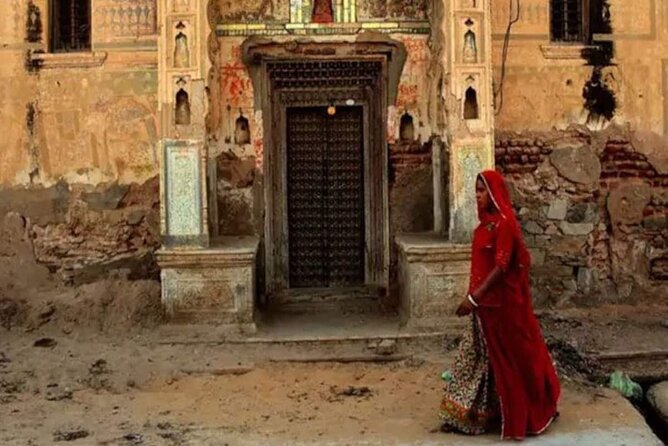
The route moves beyond the most polished parts of the Pink City. You may pass crumbling havelis, older facades, temples, food stalls, and lanes where people live and work close together.
Some of these streets will look worn. The tour information openly warns that you may come across dirty areas and garbage corners. That is not a flaw to conceal, but it is something to accept before booking. This is a look at a real urban neighborhood, not a cleaned-up heritage display.
The older buildings help explain how Jaipur once worked as a planned trading city. Even when a facade is weathered, it can hint at the scale and character of former homes, shops, and community spaces. Deepak’s storytelling connects these physical details with the people who used them.
You should keep an open mind about comfort. The walk includes the smells of incense, spices, and street food, but also the noise, traffic, dust, and waste that come with a busy Indian city. Those contrasts are part of the lesson. You are not being shown a museum version of Jaipur.
Same city, a completely different sort of morning:
- Jaipur: Private Full Day Sightseeing Tour By Car with Guide
★ 4.9 · 1,839 reviews - 3-Hour Morning Bike Tour of Jaipur
★ 5.0 · 1,253 reviews - Jaipur: Private Sightseeing Day Tour with Guide by Car
★ 4.8 · 773 reviews - Jaipur: Full-Day City Tour with Car, Guide & Skip-the-Line
★ 4.8 · 512 reviews
Temple visits and respectful behavior
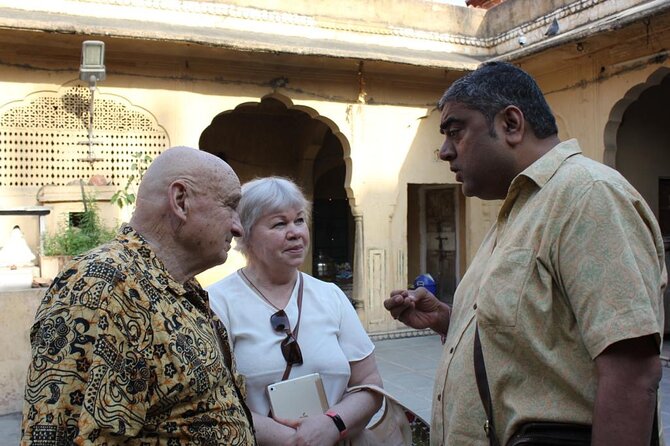
Temples are part of the experience, and the route may include smaller religious spaces that are easy to miss on your own. Bells, incense, and local worship give the walk a different pace from the market streets.
You should wear long pants and long sleeves. Choose shoes that are easy to remove because temple visits may require you to take them off. Carry water, especially since the walk is outdoors and Jaipur can feel hot even when the morning begins pleasantly.
Respect matters here. Ask permission before photographing a person. That is a simple rule, but it changes the way you move through the neighborhood. You are not collecting quick images of strangers. You are entering places where people work, pray, shop, and raise families.
The temple visits also make this more than an architecture walk. You hear how faith shapes ordinary routines and how religious practice sits alongside commerce, schooling, and family life. The result is a broader picture of Jaipur, though the depth of each visit will depend on the day and the places accessible during the walk.
Meeting artisans, food sellers, and local people
The tour description places strong emphasis on human encounters. You may meet artisans making bangles, food vendors preparing local dishes, and sellers working in the market.
These moments are valuable because they give you something concrete to watch while Deepak explains the larger picture. A discussion about caste or community can feel abstract in a classroom. It becomes easier to understand when you see how work, neighborhood, and tradition meet in a real shop or workshop.
Snacks are included, which adds a small but useful food element. Breakfast is not included, so eat beforehand if you need a full meal. The food portion should be treated as a taste of local life rather than a replacement for breakfast.
You may also encounter Jaipur’s famous monkeys jumping across rooftops. They are part of the lively street scene, but keep food and belongings secure and follow Deepak’s advice. The tour’s humor includes the famous Indian head nod, whose meaning can range from yes to no to maybe. Small observations like this help you read social situations with a little more confidence during the rest of your trip.
The stories behind faith, caste, and community
The tour’s subject matter goes beyond easy sightseeing. Deepak discusses faith, caste, religion, and community, including the ways older ideas continue to influence present-day Jaipur.
That can be a strength for visitors who want social context, but it also asks you to listen with care. These are complex subjects, and a two-and-a-half-hour walk cannot explain every part of them. Still, an honest introduction can make later visits to Jaipur’s markets, temples, and neighborhoods more meaningful.
The walk may also pass a school, adding another view of community life. A school, a temple, a workshop, and a market can exist within a few minutes of one another. Seeing those places together helps you understand the old city as a functioning neighborhood rather than a collection of monuments.
I especially like this approach for a first or second day in Jaipur. It gives you questions to carry into visits to forts and palaces. You begin to ask who built the city, who worked there, who worshipped there, and who still depends on it today.
What the $34.04 price gets you
At $34.04 per person, the price is reasonable if you value a private guide and local interpretation more than a long list of included attractions.
Your fee covers about two and a half hours with your own group, guidance through the old city, the food snacks, and the social and historical explanation that ties the walk together. There is no private vehicle, breakfast, or separate entrance package listed, so the value rests mainly in Deepak’s time and the access to everyday settings.
For comparison, a standard Jaipur sightseeing outing often gives you more major monuments in less time, usually with transport between them. This walk gives you fewer formal sights but more room to notice people, work, belief, and neighborhood life.
The private format matters. You are not trying to keep up with a large group or wait for strangers to finish photographs. You can ask about a family business, a temple custom, or a market practice when curiosity strikes. For solo visitors, couples, and families who like conversation, that can justify the cost.
Who should book this walk
I would recommend it to you if you enjoy local stories, street scenes, craft traditions, and social history. It is especially useful for first-time visitors who want a grounded introduction to the Pink City before tackling Jaipur’s palaces and forts.
It also suits repeat visitors. One review described taking the walk after visiting Jaipur several times, which makes sense. Once you have seen the headline sights, the old trading lanes offer a different reason to return.
Families can take part, since most people can participate, but children need to be comfortable walking for two and a half hours through noisy, crowded, and sometimes untidy streets. The private format makes it easier to adjust the pace than on a large group tour, though no special child-focused program is described.
I would skip it if you want air-conditioned transport, polished heritage buildings, a full breakfast, or a tightly scripted history lesson. I would also think twice if you dislike removing shoes, dressing modestly, or walking through areas where garbage and street disorder are visible.
Practical details before you go
The experience begins at Sanganeri Gate at 7:30 am and returns there at the end. It is a mobile-ticket activity, and confirmation is provided when you book.
Wear long pants and long sleeves for temple visits. Pick shoes that are easy to remove, bring a water bottle, and ask before taking anyone’s photograph. These small choices will help you show respect and stay comfortable.
The walk is near public transportation, but private transportation is not included. Breakfast is also not included, so plan food around the early departure. Snacks are included during the walk.
The activity is private, meaning only your group participates. Free cancellation is available up to 24 hours before the start time for a full refund. Changes or cancellations inside that period are not accepted, and poor weather can lead to a different date or a full refund.
Should you book Once Upon a Time in Jaipur?
Book this walk if you want to understand how Jaipur works beyond its palaces. The strongest reasons are Deepak’s personal storytelling, the private format, the look at artisans and food sellers, and the chance to connect markets, temples, schools, and community life.
Do not book it as your main monument tour. It is better used alongside visits to Jaipur’s major historic sights, not instead of them. Give it your first morning if you want the city to feel more human and less like a sequence of photo stops.
At $34.04, it offers good value for a private, story-led introduction to the old city. Go ready for noise, dust, uneven streets, temple etiquette, and a few untidy corners. In return, you get a more personal view of Jaipur, one shaped by the people who still live and work behind the famous pink walls.
FAQ
Where does the Jaipur walking tour start?
The tour starts at Sanganeri Gate in the Pink City, Jaipur, Rajasthan.
What time does the tour begin?
The start time is 7:30 am.
How long does the walking tour last?
The experience lasts approximately two hours and 30 minutes.
Where does the tour end?
The activity ends back at the meeting point.
Is the tour private?
Yes. Only your group participates in this private activity.
What should I wear for the tour?
Wear long pants and long sleeves because the route includes temple visits. Shoes that are easy to remove are recommended.
Are food and transportation included?
Snacks are included. Breakfast and private transportation are not included.
Newest Jaipur trips we have written up
- Jaipur Private Tour 2 Days with Car & Guide★ 5.0 · 13 reviews
- Culture walking and food tour with guide in Jaipur.★ 5.0 · 5 reviews
- From Jaipur Private Taj Mahal & Agra Fort Tour with Delhi Drop★ 4.5 · 9 reviews
- Two days Jaipur tour with guide by private car.★ 5.0 · 13 reviews
- Jaipur Full Day Private Tour★ 5.0 · 6 reviews
- Explore Jaipur on a Motorbike – A Unique Experience★ 4.5 · 5 reviews
- Vintage Walk Amer★ 5.0 · 11 reviews
- Walking Tour of Pink City (World Heritage Site) with Local Guide★ 5.0 · 7 reviews
Jaipur Heritage Walking Tours, compared.

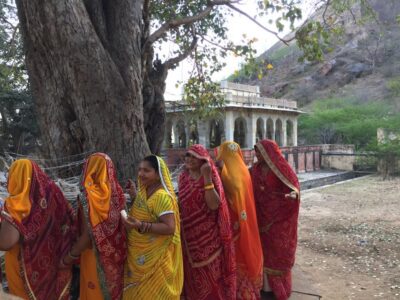
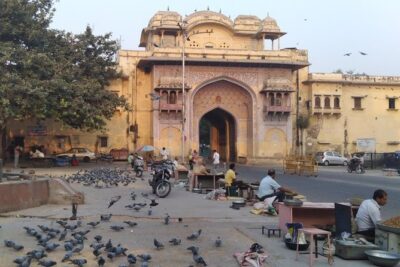
Jaipur Heritage Walking Tour – Local life, Havelis and Temples
Read our review →
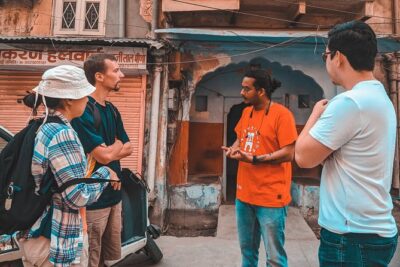
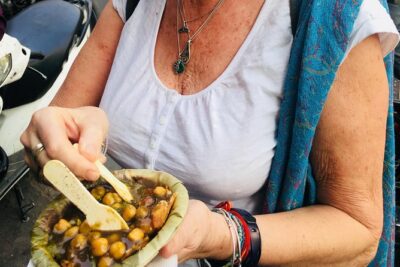
Private Half Day Food and Walking Tour of Jaipur
Read our review →
Heritage Culture and History Walking Tour in Jaipur
Read our review →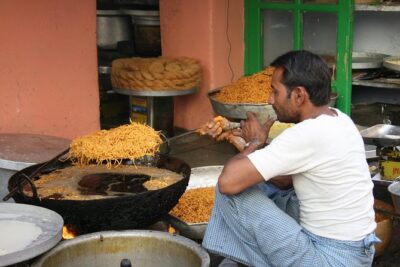
Browse the lists this tour appears in