
Reviewed · JHALANA LEOPARD SAFARIS IN JAIPUR
Jhalana Leopard Safari Jaipur – Sunrise & Sunset Jeep Safari
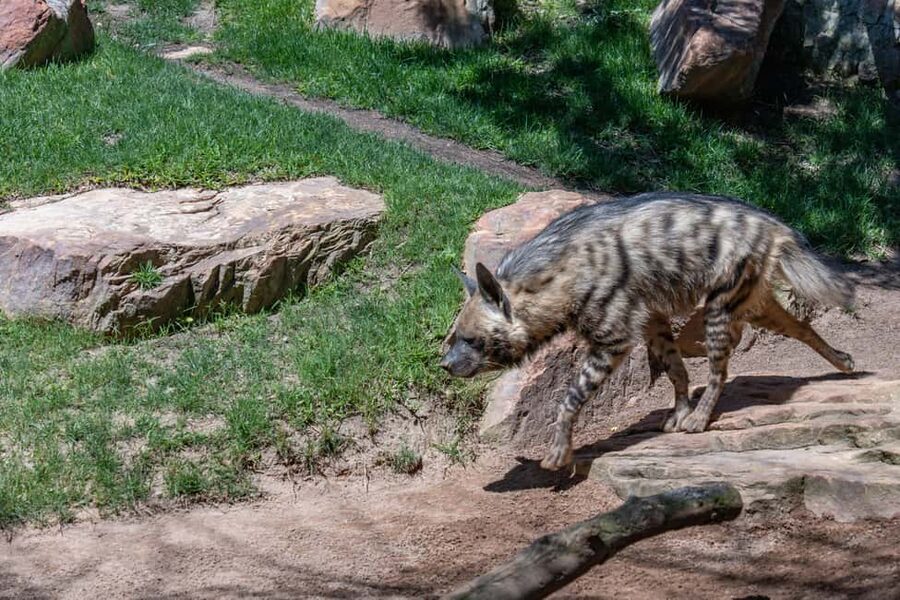
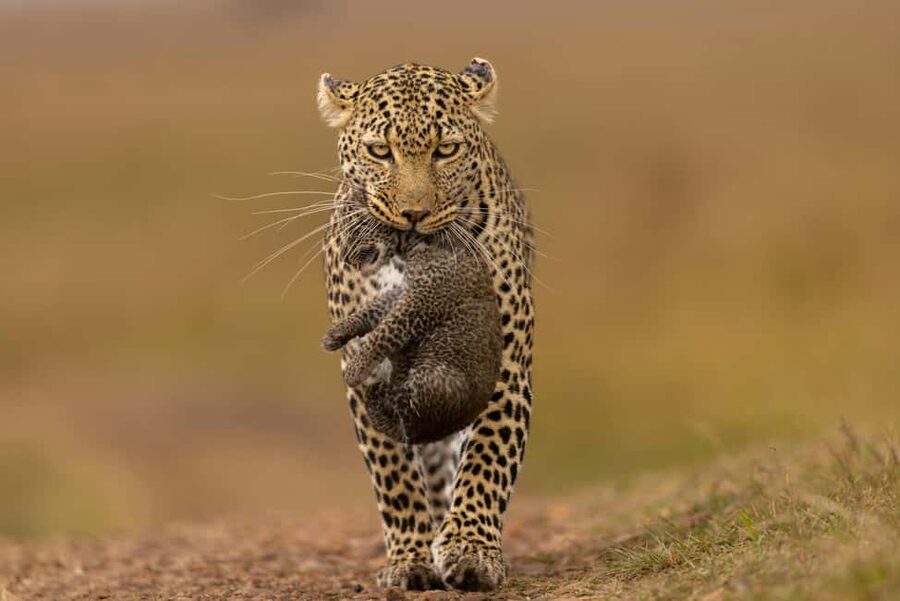
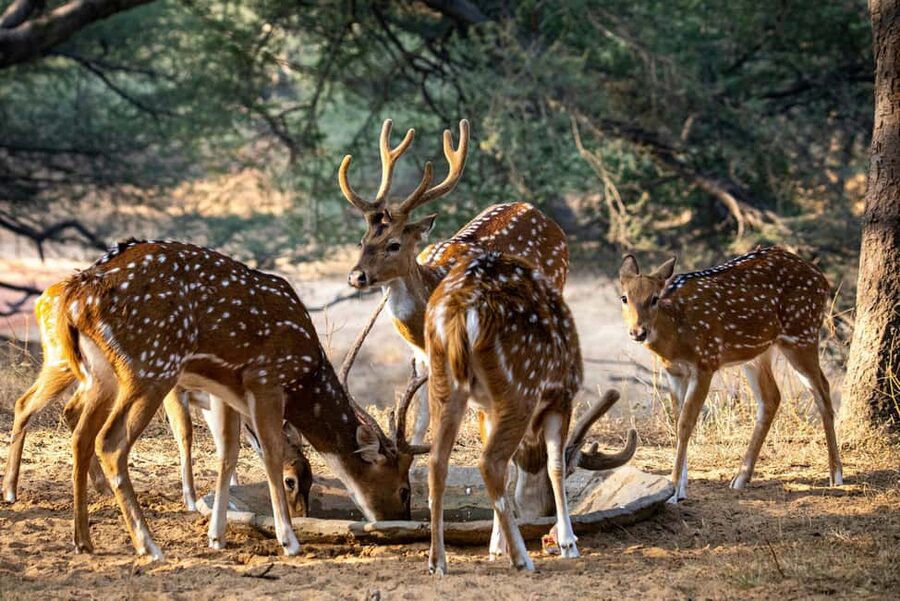
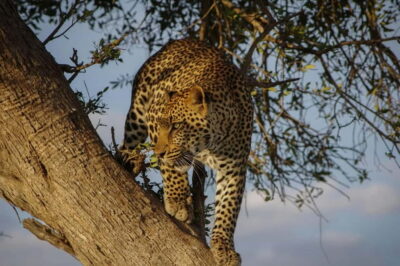
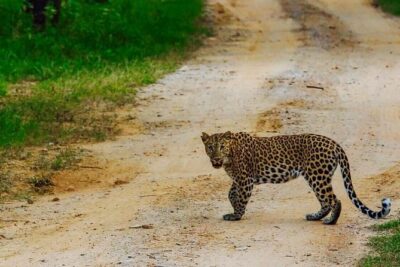
Jhalana gives you a real shot at seeing a wild leopard without leaving Jaipur for a full day. The reserve lies only about 20 minutes from the city center, yet the drive takes you into rocky hills, dry forest, and open scrub where leopards, striped hyenas, blue bulls, desert foxes, and more than 150 bird species live.
I like the choice of sunrise or sunset, and I like having a naturalist guide focused on tracking rather than simply driving around. The main caution is timing: one reported safari started late, finished early, and showed a leopard for only a few seconds among several jeeps. This is wild-animal viewing, not a guaranteed leopard show.
Key points to know
- Leopards are the main prize: Jhalana is home to more than 35 leopards, along with hyenas, blue bulls, desert foxes, and many birds.
- Sunrise and sunset serve different moods: Early morning brings bird calls and moving animals, while late afternoon offers warmer light for photographs.
- The reserve is close to Jaipur: You can reach the safari park in roughly 20 minutes from the city center, but hotel pickup is not included.
- The ride is an open 4×4: Expect a bumpy off-road drive over rocky ground, not a smooth sightseeing trip.
- Limited jeeps help, but do not promise solitude: Several vehicles may still gather around a leopard sighting.
- Allow a full three-hour window: The wildlife drive is described as about 2.5 hours, while the booking duration is listed as three hours.
Why Jhalana is a smart Jaipur wildlife choice
Jaipur is best known for forts, palaces, bazaars, and painted buildings. Jhalana offers a different side of Rajasthan, one that is dry, quiet, and untidy in the way a real forest should be. You do not need to spend a whole day reaching a distant national park. You simply trade city traffic for an open jeep and a search for tracks, calls, movement, and maybe a spotted cat.
That maybe matters. A leopard sighting is possible, not promised. The reserve has more than 35 leopards, but these are free animals moving through thick scrub and rocky country. You may see one clearly for several minutes, or you may catch only a quick glimpse. You may also spend much of the drive watching birds and scanning ridges.
I like this setup for a short Jaipur stay. At $49 per person, the price is reasonable if you value the chance to see wildlife close to the city and want a guided off-road outing. It becomes less appealing if you expect a private jeep, a guaranteed leopard, or a perfectly fixed schedule.
More Jhalana Leopard Safaris in Jaipur
- Jhalana Panther Safari Park Tour in Jaipur
★ 4.5 · 127 reviews - Jaipur: Jhalana Amagarh Leopard Reserve 4×4 Jeep Safari
★ 4.5 · 97 reviews - Exclusive Safari at Jhalana Leopard Park Including Transfers
★ 4.5 · 23 reviews
What the three-hour safari really includes
The starting and ending point is Jhalana Leopard Safari Park. There is no hotel pickup or drop-off, so you need to arrange your own way to the park. That is an important cost and planning detail, especially for a sunrise departure when Jaipur is still dark.
The booking lists a three-hour duration, while the wildlife drive itself is described as about 2.5 hours. I would reserve at least three hours in your day, and a little extra for check-in or delays. One safari was reported to start 30 minutes late and end about 20 minutes early, so do not schedule a tight fort visit or airport transfer immediately afterward.
The booking process may place different parties together. The starting time is not always a fixed private arrangement, and groups can be combined. Confirm the final meeting point and departure time before you leave your hotel. A last-minute location message caused confusion for one early-morning visitor, with coordinates initially pointing toward an unsafe forest area. The practical lesson is simple: do not walk into an unclear location alone. Call the operator or driver and verify the park entrance.
Entering Jhalana by open 4×4 jeep
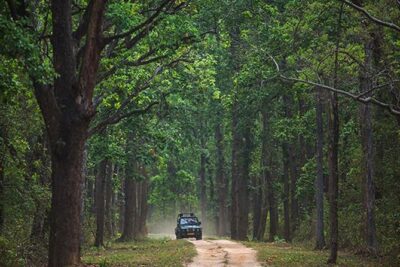
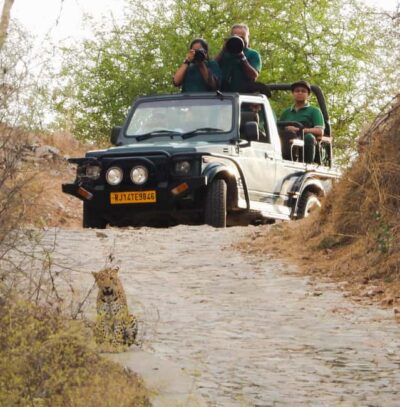
Once you are set up, the safari moves into the reserve in an open 4×4 jeep. The vehicle gives you a broad view and makes it easier to scan scrub, slopes, and tree lines. It also leaves you exposed to sun, dust, wind, and the bumps of the track.
The route is not a series of formal sightseeing stops. The jeep moves through the reserve while the guide watches for signs of animal activity. You may pause to check a call, inspect a likely route, or look toward a ridge where something has been spotted. The most valuable part of the experience is the search itself.
A government-licensed naturalist guide is included. The guide’s job is to help track leopard movement, identify animals, and point out birds that are easy to miss. The listed guide languages are English, German, Russian, French, Spanish, Italian, Hebrew, and Hindi, though the quality of communication can vary by guide and group. One person had a warm guide who spoke mainly with them, but not much with the other members of the party. If wildlife interpretation matters to you, make sure your guide is speaking to the whole jeep.
The driving style may also affect your enjoyment. A reported vehicle raced across the park after receiving news of a sighting, making the ride feel unsafe. That is not what you want from a calm wildlife drive. If the driver is going too fast, ask for a slower pace. You need time to look, and a leopard that has already moved on cannot be recovered by speed.
Tracking leopards in rocky dry forest
Leopards are the reason most people book this experience. Jhalana’s mix of rocky hills and dry forest gives the animals cover, high points, and room to move. Your guide may be watching a slope, a patch of scrub, or a trail rather than pointing at an obvious animal in the open.
A sighting can be thrilling even when it is brief. One visitor saw a leopard, and that moment made the long wait worthwhile. That is a fair description of wildlife watching: the quiet stretches are part of the bargain, and a few seconds of clear viewing can become the memory you carry home.
Still, you should understand the crowding risk. Several jeeps can converge when a leopard is found. One sighting was visible for only about two seconds between four vehicles. Limited jeeps per time slot may reduce pressure compared with a very busy national park, but limited does not mean private.
Take binoculars if you have them. They help you check distant rocks and vegetation without demanding that the jeep drive closer. A camera is useful, but do not spend the whole safari looking at a screen. The leopard may appear and vanish before you frame it.
More jeep and 4x4 safaris around Jaipur:
- SkyWaltz Hot Air Balloon Safari
★ 5.0 · 117 reviews - From Jaipur: Praivte Ranthambore Tour By Jeep Canter Safari
★ 4.3 · 29 reviews - Night Tour in Open Jeep
★ 5.0 · 19 reviews - Night Safari in Jaipur on an Open Jeep
★ 5.0 · 11 reviews
Sunrise or sunset: choosing your best departure
A sunrise safari is the better choice if you want the reserve at its freshest and quietest-feeling time. The description points to peacock calls and leopards on the move. Morning also gives you the chance to watch the forest wake up, with bird activity as an important part of the outing even if the main cat stays hidden.
Sunrise comes with a practical drawback: you may be waiting in darkness before the drive begins. One departure was expected earlier than the actual start, leaving the group at the meeting point well before the safari got moving. Confirm the real start time and bring a light layer. Do not assume that arriving early means the jeep will leave early.
Sunset is easier on the clock for many Jaipur visitors. You can spend the morning at Amber Fort or the City Palace, then head to Jhalana later in the day. Golden light can make the hills and dry forest look especially good in photographs. As the light fades, though, spotting distant animals becomes harder.
I would choose sunrise for wildlife activity and sunset for comfort and photographs. If you have only one chance and can manage the early start, sunrise is the more natural fit for a wildlife search. If you dislike early departures or need a relaxed day, sunset is perfectly sensible.
Beyond leopards: the reserve’s other animals
A leopard is not the only reason to bring binoculars. Jhalana is home to striped hyenas, desert foxes, and blue bulls, also known as nilgai. These animals give the drive value even when the leopard remains out of sight.
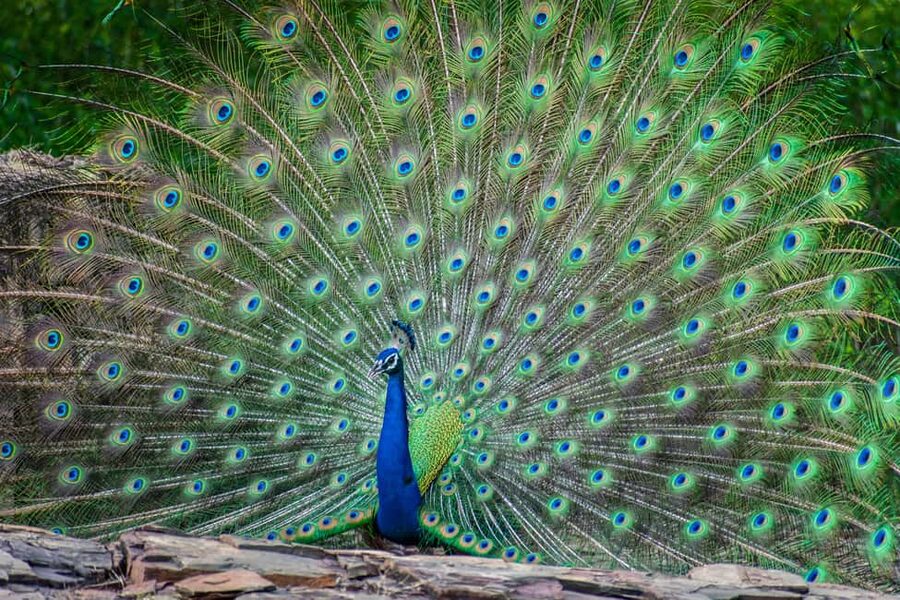
Blue bulls are especially relevant because they are large and easier to notice in open areas. Striped hyenas and desert foxes are less predictable, so a sighting can feel like a bonus. The reserve also supports more than 150 bird species. Peacocks are specifically associated with the morning experience, and the bird life may fill the quiet periods between larger-animal sightings.
This variety helps keep the safari from becoming a single yes-or-no question about leopards. You are entering a functioning reserve, not a display area. The guide can help you notice tracks, movement, calls, and smaller signs of life that you might miss from the back seat of a car.
How the price compares with the experience
At $49 per person, this is a mid-range short safari rather than a luxury wildlife expedition. You receive the open 4×4 ride, a local naturalist guide, wildlife spotting, leopard tracking, and off-road driving. For a visitor already based in Jaipur, the short transfer to the reserve is a major part of the value.
The price does not include hotel transportation, food, drinks, or personal expenses. Add your own transport to the park, and remember that the early or late departure may affect your plans for the rest of the day. There is no mention of a meal stop, so eat beforehand and bring water.
I think the price works best for three kinds of people: a first-time visitor who wants one manageable wildlife outing, a photographer who accepts unpredictable conditions, and a couple or small group looking for something beyond monuments. The value drops if your only goal is a guaranteed close leopard photograph.
Free cancellation up to 24 hours before departure and reserve-now-pay-later booking make it easier to fit the safari into a changing Jaipur itinerary. Those policies help with planning, but they cannot change the central fact that wildlife sightings depend on luck, timing, and animal behavior.
What to pack for a comfortable ride
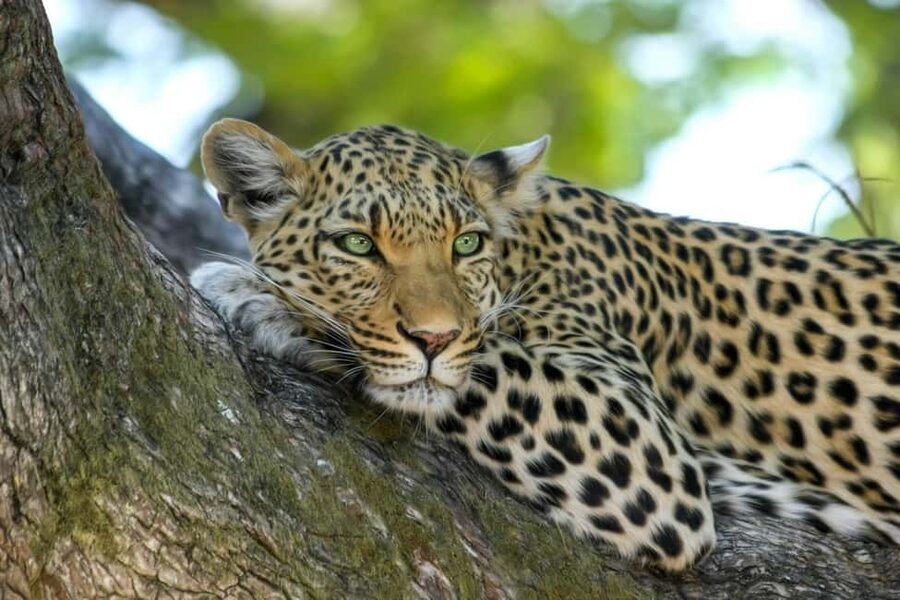
Bring a camera, water, sunscreen, insect repellent, and binoculars. The open jeep offers little protection from direct sun, and the dry reserve can be dusty. Dress for the selected time of day, with an extra layer for a chilly sunrise if needed.
Respect the reserve’s basic rules. Do not litter, feed animals, or touch plants. Feeding wildlife can alter animal behavior, and careless handling of the surroundings harms the very setting you came to see.
The activity is not suited to pregnant people, people with back problems, or people with mobility impairments. The rough off-road route and open vehicle make this a physical ride, even though you are seated for most of it.
Who will get the most from this safari
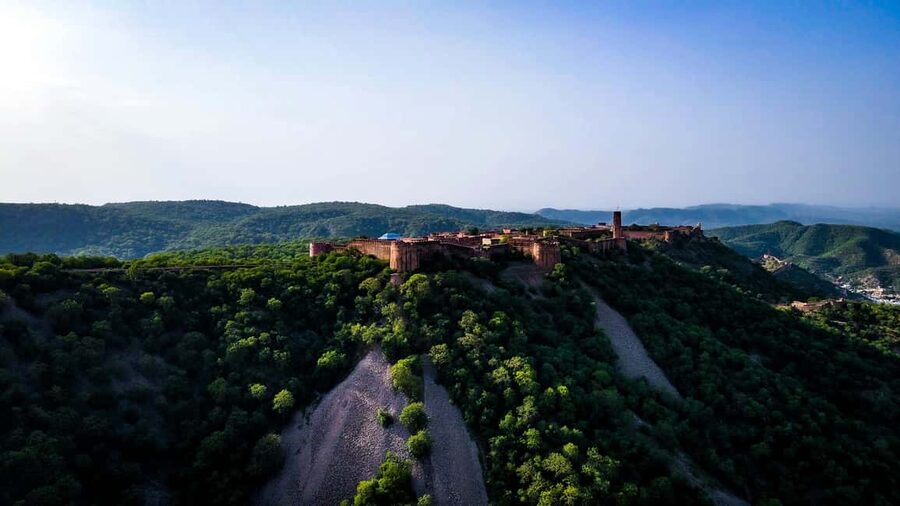
I would recommend Jhalana to you if you want a short, accessible wildlife outing near Jaipur and can enjoy the search even without a perfect sighting. The reserve’s mix of leopards, hyenas, blue bulls, foxes, and birds gives the guide more to look for than a single target species.
It is also a good match for photographers who care about light and atmosphere. Sunrise and sunset offer different photographic conditions, though a brief leopard sighting may leave little time to adjust your settings.
I would be cautious about booking it for young children who need constant entertainment, anyone with back trouble, or anyone working around a strict timetable. The safari can include long waiting periods, uneven driving, and possible delays. It is better approached with patience than with a checklist.
My practical booking advice
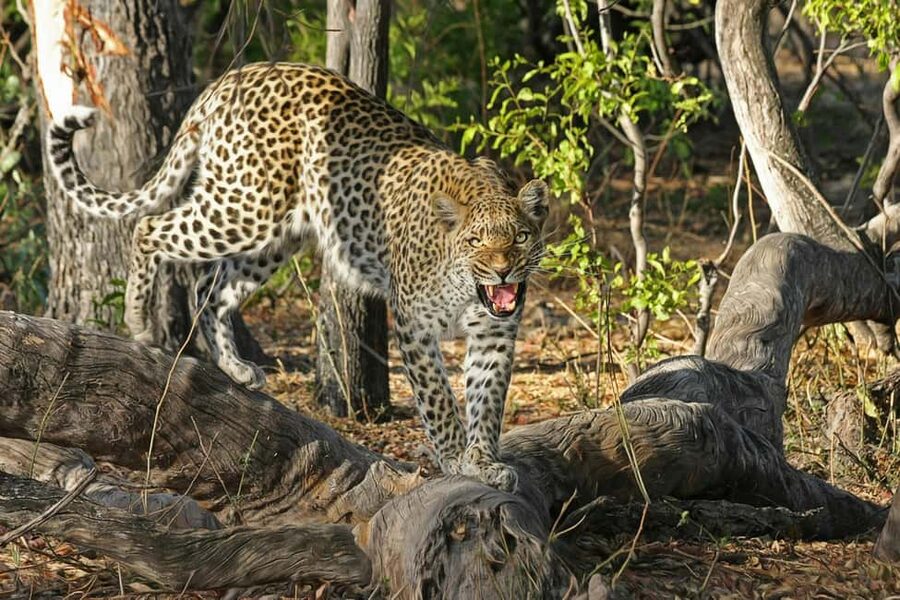
Choose your time based on your priorities, then confirm the meeting point and actual departure time. If you select sunrise, do not rely on a vague map pin in the dark. Keep the operator’s contact details available and verify that you are at the proper park entrance.
Ask for calm driving if the jeep begins moving too quickly. A fast chase rarely improves a wildlife sighting, and it can make the ride uncomfortable or unsafe. Also, do not assume that a limited number of jeeps means you will have a leopard to yourself.
Bring patience. The strongest part of this outing is the sense that you are searching a real reserve, not being taken from one guaranteed exhibit to another. The weakest part is the possibility of a late start, an early finish, or a crowded sighting that lasts only seconds.
Should you book the Jhalana Leopard Safari?
Book it if you want a convenient Jaipur wildlife experience at a fair price and you are comfortable with uncertainty. The chance to see a leopard only 20 minutes from the city is compelling, and the reserve offers more than leopards alone.
Skip it if you need exact timing, private transport, a smooth ride, or a guaranteed long look at a cat. Before paying, confirm the pickup arrangement, meeting point, start time, and expected drive length. With those details clear, Jhalana can add a memorable wild edge to a Jaipur visit. Without that confirmation, the experience may feel rushed and poorly organized.
FAQ
How long does the Jhalana Leopard Safari last?
The activity is listed as three hours, while the actual wildlife drive is described as about 2.5 hours. Allow a full three hours and some extra time in case the start or finish changes.
How far is Jhalana Leopard Safari Park from Jaipur?
The park is about 20 minutes from Jaipur city center. Hotel pickup and drop-off are not included, so you need to arrange your own transport.
Can I choose a sunrise or sunset safari?
Yes. You can select a sunrise or sunset departure. Sunrise is associated with active wildlife and peacock calls, while sunset offers warm light for photography.
What animals might I see?
The reserve is home to leopards, striped hyenas, desert foxes, blue bulls, and more than 150 bird species. Sightings are not guaranteed because the animals are wild.
Is the safari suitable for people with back problems?
No. The activity is not suitable for people with back problems, pregnant people, or people with mobility impairments because the ride includes off-road driving in an open 4×4.
What should I bring?
Bring a camera, sunscreen, water, insect repellent, and binoculars. Littering, feeding animals, and touching plants are not allowed.
More safaris around Jaipur
- From Jaipur: Ranthambore National Park Day Trip with Safari
★ 4.6 · 244 reviews - Ranthambore Tiger Safari from Jaipur – 1 or 2 Days
★ 5.0 · 88 reviews - Ranthambore Tiger Safari Day trip from Jaipur – All Inclusive
★ 4.5 · 87 reviews - From Jaipur: One Day Trip to Ranthambore Tiger Safari
★ 3.7 · 54 reviews
More sunrise and flower market walks in Jaipur
- Skip The Line: Sunrise Taj Mahal & Agra Day Tour From Jaipur
★ 5.0 · 251 reviews - Jaipur Tuk-Tuk Tour with Flower Market Visit
★ 5.0 · 124 reviews - Jaipur Tour by Tuk-Tuk or Car with Flower Market
★ 5.0 · 120 reviews - Jaipur: Half-Day Guided Sightseeing Tour with Flower Market
★ 4.9 · 119 reviews
Newest Jaipur trips we have written up
- Jaipur Private Tour 2 Days with Car & Guide★ 5.0 · 13 reviews
- Culture walking and food tour with guide in Jaipur.★ 5.0 · 5 reviews
- Two days Jaipur tour with guide by private car.★ 5.0 · 13 reviews
- From Jaipur Private Taj Mahal & Agra Fort Tour with Delhi Drop★ 4.5 · 9 reviews
- Jaipur Full Day Private Tour★ 5.0 · 6 reviews
- Explore Jaipur on a Motorbike – A Unique Experience★ 4.5 · 5 reviews
- Vintage Walk Amer★ 5.0 · 11 reviews
- Walking Tour of Pink City (World Heritage Site) with Local Guide★ 5.0 · 7 reviews
Jhalana Leopard Safaris in Jaipur, compared.
Exclusive Safari at Jhalana Leopard Park Including Transfers
Read our review →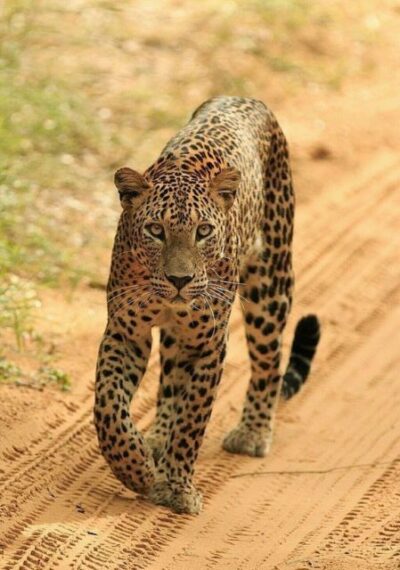
Safari In Jhalana Leopard Conservation Reserve, Jaipur
Read our review →
Jaipur to Jhalana Leopard reserve Private Day Trip All Inclusive
Read our review →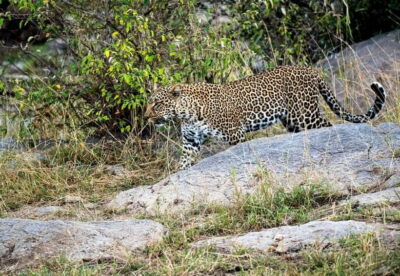
Browse the lists this tour appears in