
Reviewed · JHALANA LEOPARD SAFARIS IN JAIPUR
Jaipur: Jhalana Amagarh Leopard Safari Park Guided Tour
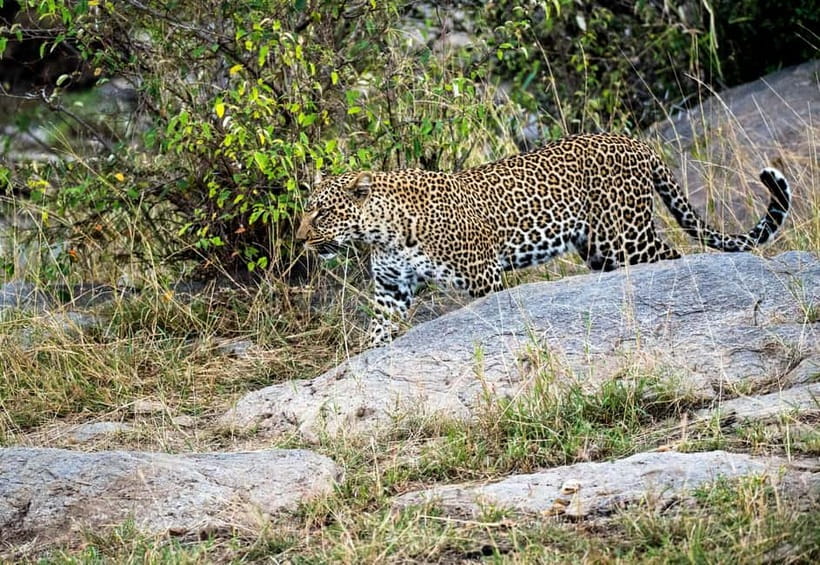
The main draw here is simple: leopards live wild in a forest reserve inside Jaipur, close to the airport and city hotels. Jhalana Amagarh covers about 23 square kilometers and is home to an estimated 30 to 35 leopards, with six or seven using the area open to safari vehicles.
I like the short time commitment and the chance to see more than leopards. The reserve also shelters blue bulls, spotted deer, wild boar, jackals, hyenas, jungle cats, peacocks, and many resident and migratory birds. I also like that the safari is operated by the government Forest Department, giving the outing a clear conservation role. The catch is important: there is no refund if you fail to see a leopard, and a sighting can mean a distant animal partly hidden by trees.
Key points
- Two-and-a-half hours in a forest reserve: The safari begins and ends at Amagarh Leopard Reserve, with wildlife viewing taking most of the outing.
- A real leopard chance near Jaipur: Around 30 to 35 leopards live in the wider reserve, but only six or seven are usually in the tourism area.
- Shared vehicle included: The standard price covers transport inside the park, while private safaris and hotel transfers are available as paid options.
- Wildlife sightings are not guaranteed: You may see peacocks, deer, nilgai, or birds without seeing a leopard at all.
- Rough roads are part of the deal: One recent booking described the roads as very bumpy, so eat lightly before setting out.
- Good preparation helps: Wear neutral colors, bring binoculars, avoid flash, and keep your voice low.
A Leopard Reserve Inside Jaipur
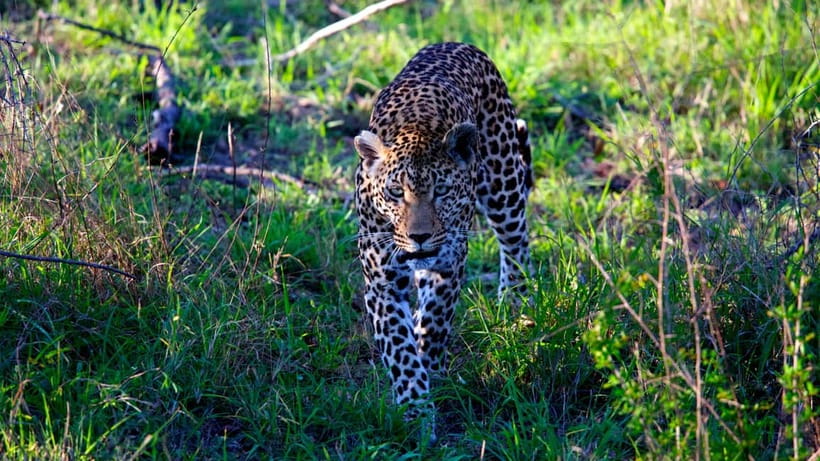
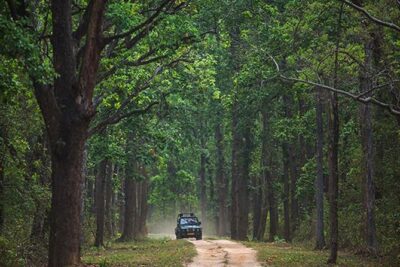
Jhalana Amagarh is unusual because you do not need to make a long journey into Rajasthan’s more distant wildlife areas. The reserve sits in Jaipur, near the airport, yet it protects forest and scrub in the Aravalli hills. For a short city stay, that location gives you a practical chance to see wildlife without giving up most of a day to transport.
The safari has operated since December 2016. Two safari routes are currently open, and the exact route depends on availability. That matters because the route can shape the entire outing. You may spend much of your time slowly checking rocky slopes, trees, bushes, and open ground for movement.
The reserve is not a zoo with animals placed on display. Leopards have territories, hide when they choose, and may be nowhere near the road when you arrive. The park material also describes a conservation and education area with more than 500 animals representing wild species across more than 400 acres. For this particular safari, though, your main setting is the reserve forest and its free-ranging wildlife.
That difference sets the right expectation. You are paying for access to a protected habitat and the chance to watch animals behaving naturally, not for a guaranteed show.
More Jhalana Leopard Safaris in Jaipur
- Jhalana Panther Safari Park Tour in Jaipur
★ 4.5 · 127 reviews - Jaipur: Jhalana Amagarh Leopard Reserve 4×4 Jeep Safari
★ 4.5 · 97 reviews - Exclusive Safari at Jhalana Leopard Park Including Transfers
★ 4.5 · 23 reviews
Starting at Amagarh Leopard Reserve
The outing starts at Amagarh Leopard Reserve and returns there after roughly two to two-and-a-half hours. The listed price is $36 per person, with a shared safari vehicle and entry fees included. You can select a private safari if you prefer more space and control, but the available details do not specify the additional cost.
Hotel pickup and drop-off are not part of the basic package. They can be added if you choose the hotel-transfer option, using an air-conditioned car. If you arrange your own way to the reserve, allow extra time for reaching the starting point and check the final start time carefully.
Safari timing can shift by one to two hours depending on the season. Do not treat the displayed departure time as immovable. Confirm the starting time before you set out, especially if you have a fort visit, flight, or train on the same day.
You may also be asked to send a passport copy by WhatsApp or email after booking for park entry. Have that ready if requested. It is a small administrative step, but failing to provide the required document could complicate entry.
What the Two-and-a-Half-Hour Drive Feels Like
Once inside, most of the time is spent in the safari vehicle, moving along the available route and pausing when the driver spots something worth checking. This is not a fast ride from one attraction to another. The driver has to read signs of animal activity and watch the edges of the route.
The roads can be rough. One booking described the ride as very bumpy and advised not eating too much beforehand. That is practical advice, particularly if you are sensitive to motion or have back problems. The activity is not suitable for people with back problems, pregnant women, or children under eight.
A shared vehicle is included in the standard arrangement. That keeps the $36 price within reach, but it also means you have less control over stops and viewing angles. If one vehicle receives word of a leopard nearby, several vehicles may move toward the same place. A private option may give you a calmer arrangement, though it cannot create a leopard sighting or guarantee a better view.
The quality of the driver matters greatly here. A strong driver knows the local wildlife, checks likely animal areas, and explains what you are seeing. English-language guiding is available. No individual guide names are provided, so you should not book this expecting a particular named naturalist.
Looking for Leopards in Their Territory
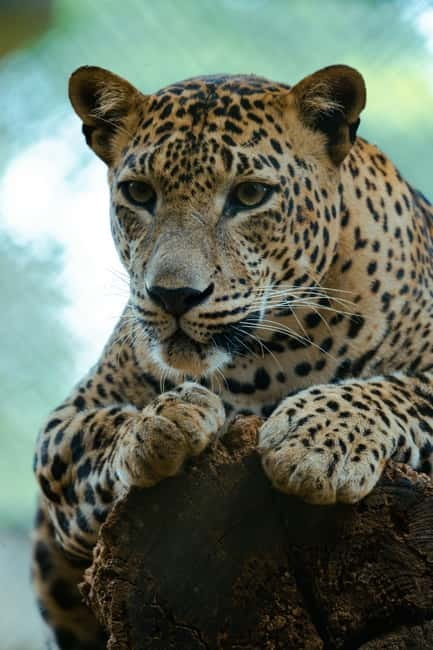
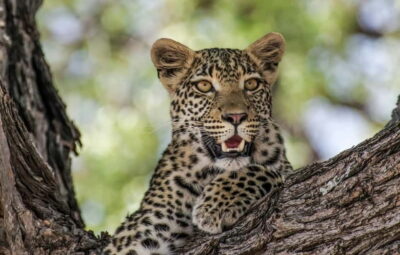
The leopard is the star of the outing, but it is also the hardest animal to promise. The reserve has an estimated 30 to 35 leopards, yet only six or seven are said to hold territory in the tourism area. Those numbers explain why you have a genuine chance without having a sure thing.
A leopard may be resting in shade, hidden behind brush, or moving away from the road. Even when a sighting happens, you could see only a spotted shape at a distance. One safari ended with a leopard partly hidden behind trees while about ten other vehicles gathered nearby. That kind of crowd can turn a thrilling sighting into a brief, crowded glimpse.
The reserve’s leopard population still makes the outing worthwhile for the right person. You are not looking at a captive cat pacing beside a fence. You are trying to spot a powerful predator that controls its own distance from the road. The waiting is part of the experience, though it can test your patience.
Bring binoculars. They are especially useful when the animal is far off or mostly screened by vegetation. A camera is allowed, but flash photography is not. Flash can disturb animals and is a poor trade for a slightly brighter photograph.
Keep noise low. Loud voices, sudden movement, and careless behavior reduce your chances of seeing animals close to the vehicle. Neutral-colored clothing is also recommended, not because it guarantees a sighting, but because it fits the quiet, low-impact approach expected in a forest reserve.
More safaris around Jaipur:
- From Jaipur: Ranthambore National Park Day Trip with Safari
★ 4.6 · 244 reviews - SkyWaltz Hot Air Balloon Safari
★ 5.0 · 117 reviews - Ranthambore Tiger Safari from Jaipur – 1 or 2 Days
★ 5.0 · 88 reviews - Ranthambore Tiger Safari Day trip from Jaipur – All Inclusive
★ 4.5 · 87 reviews
The Other Animals May Be the Better Surprise
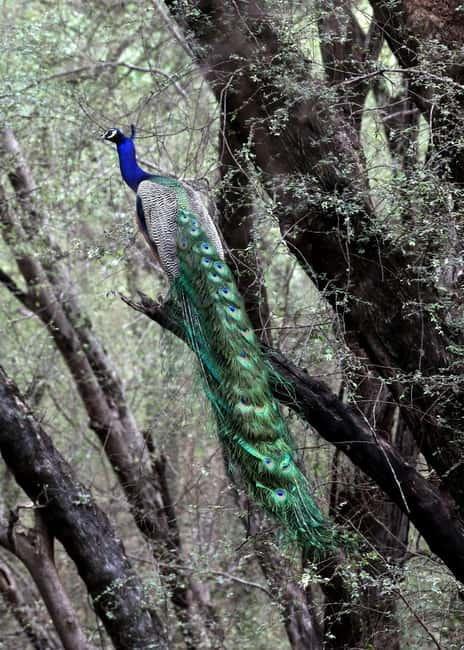
A leopard-free safari is not automatically an empty safari. Jhalana is home to spotted deer, blue bulls, wild boar, jackals, hyenas, jungle cats, peacocks, and many birds. The variety gives your driver other wildlife to look for while the group waits for a leopard.
Peacocks are among the more likely sights. One disappointing outing still produced many peacocks and a few deer. Blue bulls, also called nilgai, can add a more substantial sighting, while jackals and jungle cats may require careful watching. Hyenas are possible but not guaranteed, and you should not expect every species on every drive.
Birdlife is another reason to bring binoculars. The reserve has resident and migratory birds, so the safari can appeal to someone who enjoys smaller sightings and not just large mammals. If you are willing to notice tracks, calls, movement, and changing habitat, the two-and-a-half hours can feel fuller.
I would set your personal success test before you go. If your only acceptable result is a close leopard photograph, the outing may frustrate you. If you value a protected forest, a bumpy ride through open habitat, and the chance to see several wild species near Jaipur, the value is easier to see.
When the Route Feels Repetitive
The safari uses two open routes, and the precise area depends on availability. That limited route system can be a drawback. One outing covered only a few kilometers and repeatedly passed through the same areas, with the vehicle circling several times.
That may sound inefficient, but wildlife drives often work this way. Drivers return to places where an animal was recently spotted, wait for a call, or check a known territory again. The trouble comes when the group expects steady movement and instead spends long stretches retracing the same ground.
The best way to handle this is to slow down mentally. Look beyond the road ahead. Check branches, rocky outcrops, grass, and shaded patches. Ask the English-speaking guide about the animals and plants you are passing, and listen for changes in the vehicle’s attention. The experience is more rewarding when you treat it as wildlife watching rather than a sightseeing circuit.
Still, the route limitation is worth considering when comparing this safari with a larger reserve. Jhalana’s advantage is its easy Jaipur location and short duration. Its tradeoff is a smaller safari area and a greater chance of repeated passes.
Price, Crowds, and What You Get for $36
At $36 per person, the tour is not the cheapest casual activity in Jaipur, particularly because the price can feel high for international visitors. The standard arrangement includes entry fees and transport in a shared safari vehicle for roughly two to two-and-a-half hours. That makes the price reasonable if you want an organized wildlife outing without arranging park access yourself.
The value weakens if you expect a guaranteed leopard or a long, varied route. The rules clearly say there is no refund when leopards are not seen. Bad weather can also stop the safari without a refund. Those conditions place much of the risk with you.
Crowding is another value question. If a leopard is reported, many vehicles may converge on the location. That can limit visibility and create a noisy, cramped scene. A private safari may improve your comfort, but the information provided does not promise exclusive access to a sighting area.
I would compare the price with your schedule, not just with the animal count. For a short Jaipur visit, two-and-a-half hours near the city may be worth more than a cheaper activity that takes you far away. For a serious wildlife trip, you may want a larger reserve and should view Jhalana as a convenient introduction rather than a full safari program.
Practical Preparation Before You Go
Wear light, comfortable clothing in neutral colors. The advice is meant to help you blend into the surroundings and stay comfortable during a long wait in the vehicle. Bring binoculars, water if allowed under current park rules, and a camera without using flash.
Eat lightly before departure. The roads are reported to be rough, and the ride may be uncomfortable if you arrive after a heavy meal. If you have back trouble, are pregnant, or are bringing a child under eight, choose another Jaipur activity.
Keep your phone available for schedule updates. Start times can move by one to two hours by season, and the exact safari route depends on availability. Avoid building a tight same-day plan around the published departure.
The Forest Department manages and operates the safari. Follow the guide’s instructions, keep voices low, and do not smoke. These rules protect the animals and give you the best chance of seeing something that would otherwise stay hidden.
Free cancellation is available up to 24 hours before departure, and you can reserve now and pay later. Those terms help if your Jaipur plans are still shifting, but they do not cover a failed leopard sighting or cancellation caused by bad weather during the safari.
Who Will Enjoy This Safari Most
I would recommend Jhalana Amagarh to you if you want a realistic wildlife experience close to Jaipur and understand that nature does not follow a timetable. It works well for a short city visit, a first safari, a photographer who accepts imperfect sightings, or anyone interested in Rajasthan’s local fauna.
It is also a good fit if you enjoy the search itself. Peacocks, deer, birds, and other smaller animals can keep the drive interesting, even if the leopard stays out of sight.
I would be cautious if you need a smooth ride, dislike waiting, or want a guaranteed close view. The rough roads, possible repetition, shared vehicle, shifting times, and no-refund leopard policy are not minor details. They shape the whole outing.
Should You Book the Jhalana Amagarh Safari?
Book it if your priority is convenience and a real chance to see a wild leopard without leaving Jaipur. The reserve’s location, two-and-a-half-hour format, and range of animals make it an easy addition to a city itinerary.
Go with realistic expectations. You may see a leopard, but it could be distant, hidden, or surrounded by other vehicles. You may instead spend the drive watching peacocks, deer, birds, or signs of animals in the scrub.
For me, the strongest reason to book is not a promised leopard photograph. It is the chance to spend a morning or afternoon in protected Aravalli forest close to Jaipur, with a driver searching for wildlife that sets its own rules. If that sounds rewarding, $36 is a fair price for the opportunity. If you need certainty, comfort, and a full animal checklist, save your money for a different kind of outing.
FAQ
How long does the Jhalana Amagarh Leopard Safari last?
The safari lasts about two to two-and-a-half hours. The full activity begins and ends at Amagarh Leopard Reserve.
How much does the safari cost?
The listed price is $36 per person. The standard package includes entry fees and transport in a shared safari vehicle.
Are hotel pickup and drop-off included?
No. Hotel pickup and drop-off are not included in the basic package. An air-conditioned hotel transfer is available if you choose that option.
Are leopard sightings guaranteed?
No. Leopards are wild animals, and sightings are not guaranteed. The stated terms say there is no refund if leopards are not seen.
What other animals might I see?
Possible wildlife includes jackals, nilgai, hyenas, jungle cats, peacocks, spotted deer, wild boar, and many resident and migratory birds.
What should I bring and wear?
Wear comfortable, neutral-colored clothing and bring binoculars if you have them. Cameras are allowed, but flash photography is not permitted. Keep noise low during the drive.
Can children or people with mobility concerns join?
Children under eight are not suitable for this activity. It is also not suitable for pregnant women or people with back problems because the roads can be rough.
Newest Jaipur trips we have written up
- Jaipur Private Tour 2 Days with Car & Guide★ 5.0 · 13 reviews
- Culture walking and food tour with guide in Jaipur.★ 5.0 · 5 reviews
- From Jaipur Private Taj Mahal & Agra Fort Tour with Delhi Drop★ 4.5 · 9 reviews
- Two days Jaipur tour with guide by private car.★ 5.0 · 13 reviews
- Jaipur Full Day Private Tour★ 5.0 · 6 reviews
- Explore Jaipur on a Motorbike – A Unique Experience★ 4.5 · 5 reviews
- Vintage Walk Amer★ 5.0 · 11 reviews
- Walking Tour of Pink City (World Heritage Site) with Local Guide★ 5.0 · 7 reviews
Jhalana Leopard Safaris in Jaipur, compared.
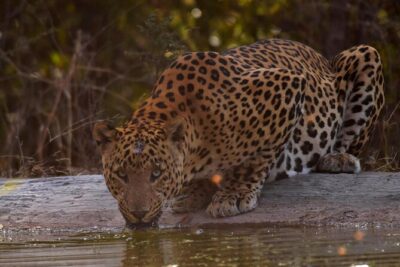
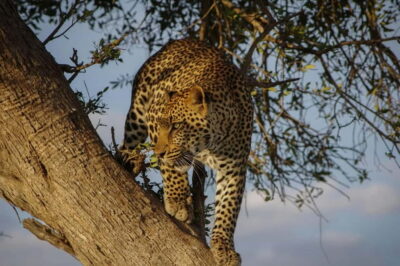
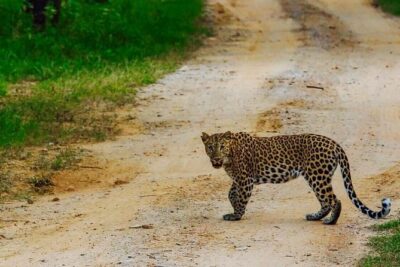
Exclusive Safari at Jhalana Leopard Park Including Transfers
Read our review →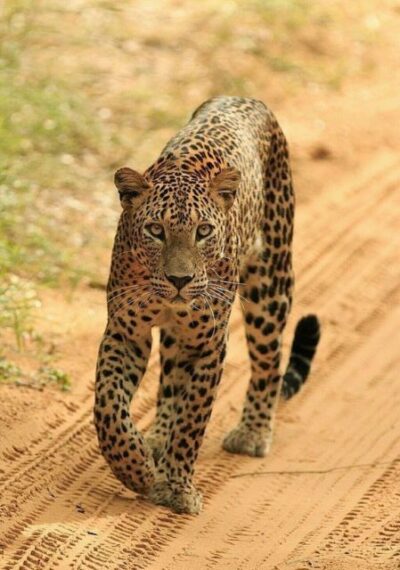
Safari In Jhalana Leopard Conservation Reserve, Jaipur
Read our review →
Jaipur to Jhalana Leopard reserve Private Day Trip All Inclusive
Read our review →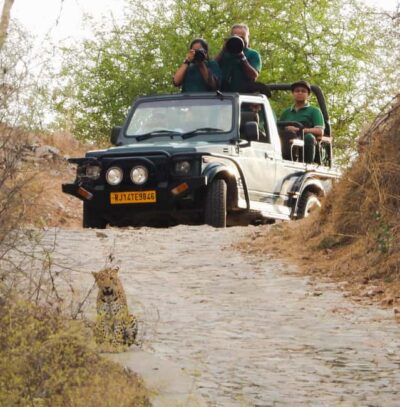
Browse the lists this tour appears in