
Reviewed · JAIPUR FOOD TOURS
Jaipur: Guided History Walking Tour with Food Tasting
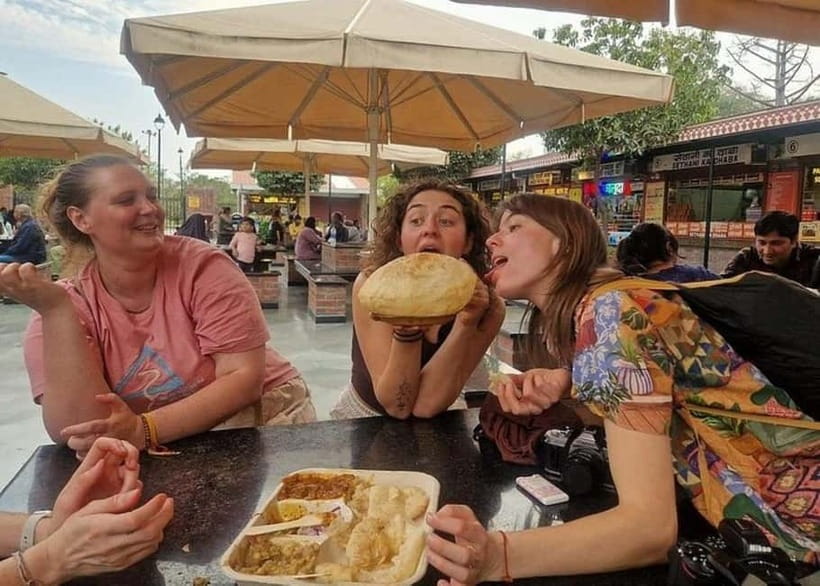
Jaipur’s best introduction may come not from a fort lookout, but from a plate of hot pyaaz kachori in an old market lane. This three-hour walk takes you through the Pink City’s working streets, where temples, flower sellers, tea shops, traditional houses, and food stalls sit close together. I like the way it joins street food with local history, instead of treating eating and sightseeing as separate chores.
I also like the private-group format and the chance to meet working artisans, such as potters, jewelers, miniature painters, or spice sellers. Guides including Rajesh, Krishna, and Ali Irfan have been praised for their friendly manner and for showing lesser-known lanes without pressuring people to buy. The main drawback is that this is a walking tour through busy, uneven areas, and it is not suitable for wheelchair users or people with food allergies.
Key points at a glance
- Start at New Gate: The tour begins at a useful gateway into Jaipur’s old city and finishes at the flower market near Choti Chaupar.
- A food list with real local flavor: Expect items such as pyaaz kachori, samosa, mirchi bada, aloo tikki or chaat, lassi, masala chai, ghewar, rabri, and kulfi.
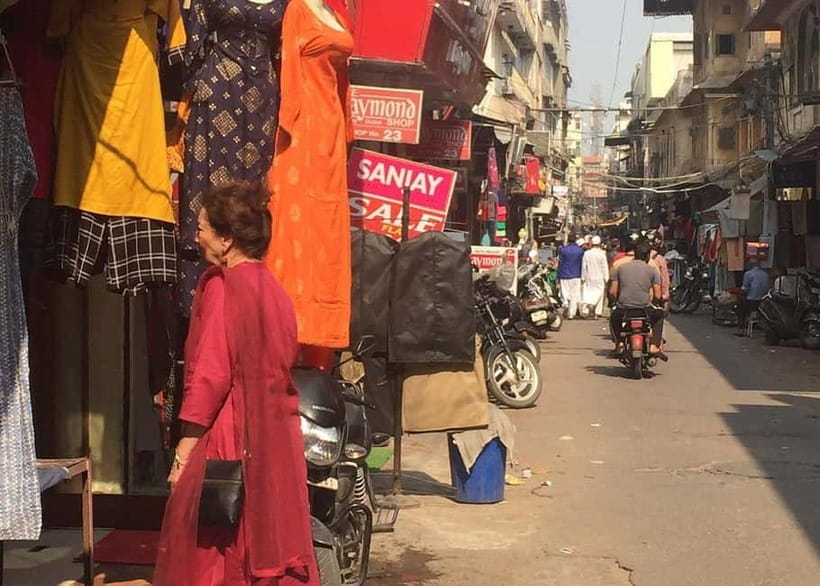
- Old Jaipur beyond the major monuments: You pass through Chaura Rasta, Badi Chaupar, Tripolia Bazar, Choti Chaupar, and traditional neighborhoods.
- A private group for $13 per person: That is strong value if your group wants a guide’s context, several tastings, bottled water, and a three-hour walk.
- Guides who keep the mood easy: Rajesh, Krishna, and Ali Irfan have each been praised for warmth, local insight, and not forcing purchases.
- Plan for heat and crowded streets: Comfortable shoes, a hat, sunscreen, water, and a camera will make the walk far easier.
Starting at New Gate and entering old Jaipur
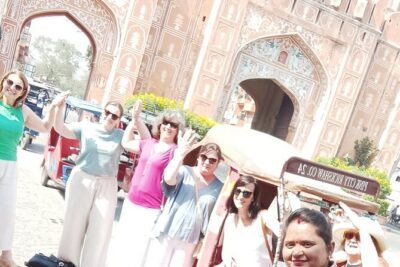
The meeting point is New Gate, one of the entrances into Jaipur’s historic center. From here, you move into the old city on foot rather than spending the tour behind a vehicle window. That matters in Jaipur, because many of the useful details are small: a carved doorway, a shrine tucked beside a shop, a courtyard glimpsed through an open entrance, or a vendor preparing food over a hot pan.
Your guide provides the thread that ties these sights together. You can ask about local customs, clothing, language, religious practice, architecture, and daily routines as you walk. The tour is not limited to famous buildings. It is designed to show how old Jaipur still functions as a place where people shop, worship, work, and eat.
The private-group arrangement should make it easier to stop for questions or adjust the pace within reason. Still, three hours is not a long time, so expect a lively overview rather than a detailed visit inside every building. The route includes pass-by stops, photo pauses, food tastings, and guided explanations.
More food tours in Jaipur:
- Heritage Walk & Street Food Tasting in Jaipur
★ 5.0 · 158 reviews - Cultural Walk and Food Tasting In Jaipur
★ 5.0 · 118 reviews - Guided Morning Bicycle Tour with Food Tasting in Jaipur
★ 5.0 · 117 reviews
Chaura Rasta: tea, shops, and the first bites
Chaura Rasta brings you into the rhythm of the old city. The route includes a photo stop, a walk through the market area, tea, and street food. This is where you begin to understand why a walking tour can reveal more than a standard sightseeing loop. You are close enough to notice the smells, sounds, shopfronts, and changing pace of each lane.
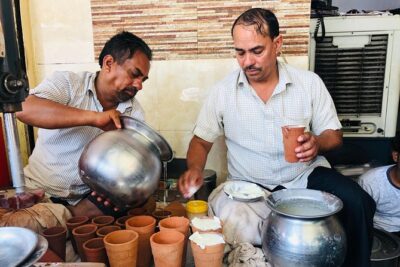
A local tea shop provides masala chai, one of the included treats. You may also receive bottled water, which is useful in Jaipur’s heat and helps you avoid having to stop at a shop early in the walk. The food is not an optional add-on to the main event. It is part of the route and gives your guide a natural way to explain local tastes and eating habits.
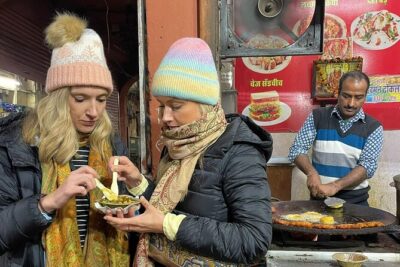
The exact food order can vary, but the listed choices include pyaaz kachori, samosa, mirchi bada, and aloo tikki or chaat. These are filling snacks, so you may want a light breakfast or lunch before arriving. If you are sensitive to spice, ask your guide before tasting. People with food allergies should not book this activity, since the tour is specifically built around local street food.
Badi Chaupar and the taste of Jaipur
Badi Chaupar is one of the central points on the route. Here you get a guided walk, scenic views along the way, local snacks, and more food tasting. The stop gives you a sense of Jaipur’s public spaces and market connections while keeping the focus on ordinary city life.
This is also where the food program becomes especially useful. A dish such as pyaaz kachori is not just something to photograph. It shows how Jaipur’s snack culture favors strong seasoning, crisp pastry, and food that can be eaten quickly while moving through the city. Aloo tikki or chaat offers a different texture and flavor, while samosa and mirchi bada add more fried, spicy notes.
Your guide can explain what you are eating and how the dishes fit into the local food scene. The guide may also point out small differences in ingredients, preparation, or serving style. Since the tour offers several tastings over three hours, you do not need to order every item yourself. Personal purchases and extra food are not included, so keep a little cash available if you spot something you want beyond the planned samples.
Tripolia Bazar and old-city architecture
Tripolia Bazar is mainly a walking and photo stop, with guided commentary as you pass through. It is a good part of the tour for looking upward and slowing down. Jaipur’s old streets are shaped not only by shops and traffic but also by traditional houses, havelis, courtyards, gateways, and decorative architectural details.
The guide may connect these buildings to royal dynasties and the development of Jaipur’s city plan. You can also ask about why certain elements appear in homes and public spaces, or how spiritual beliefs influence everyday architecture. The experience is strongest when you pay attention to the relationship between the buildings and the people using them.
Do not expect a quiet heritage zone. This is a working market area, not a preserved museum. That is part of its value, but it can also make conversation harder at busy moments. Wear shoes with a firm sole and stay close to your guide when crossing streets or moving through narrow lanes.
More heritage walks in Jaipur:
- Jaipur Bazaar & Food Walking Tour
★ 5.0 · 281 reviews - Jaipur Heritage Walking Tour – Local life, Havelis and Temples
★ 5.0 · 72 reviews - Food Walking Tour in Jaipur
★ 5.0 · 71 reviews - Jaipur Heritage Walking Tour
★ 4.5 · 31 reviews
Choti Chaupar and another round of street food
At Choti Chaupar, the tour returns to food, with local snacks and regional dishes included. This gives you another chance to try Jaipur specialties in the setting where people actually buy and eat them. The combination of food and movement keeps the walk varied, especially for anyone who finds long architectural explanations tiring.
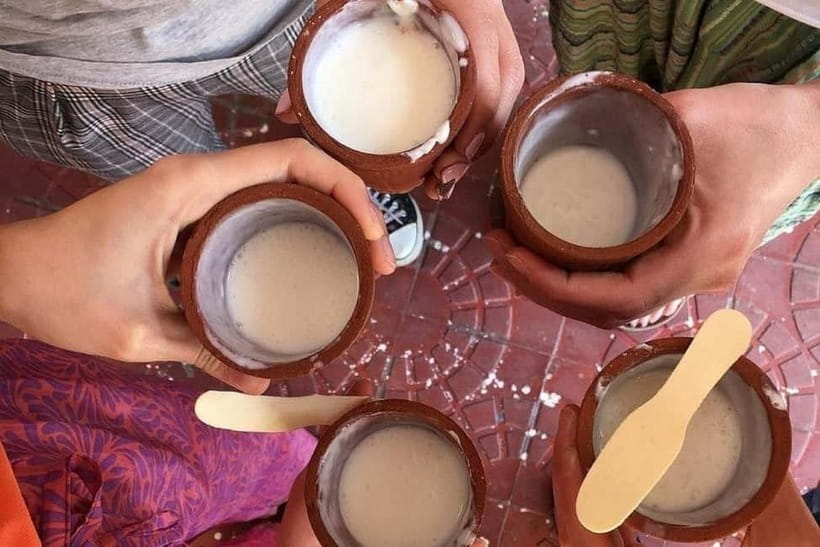
The tour may include a lassi or another drink as well as savory items. Lassi offers a cooler contrast to hot snacks, while masala chai brings the familiar spice and sweetness of a local tea break. These are simple moments, but they help you notice how food punctuates the day in Jaipur.
You should tell the guide at the start if you have dislikes or dietary concerns. The information provided does not promise vegetarian, vegan, gluten-free, dairy-free, or mild-spice substitutions. Since food is central to the tour, it is better to choose another activity if you need strict control over ingredients.
The flower market near Choti Chaupar
The final named stop is the flower market at Choti Chaupar. There is a photo stop and a guided walk here, and the tour ends in this area. Flower markets offer a useful window into spiritual life because flowers are tied to temple visits, household rituals, offerings, and festivals.
The colors and scents also give you a strong final impression of Jaipur’s daily trade. Your guide can explain how flowers fit into local customs and beliefs, rather than leaving you to see the market only as a colorful backdrop. Bring your camera, but remember that this is a working market. Ask before photographing individuals or close-up displays.
The endpoint is practical if you plan to continue exploring the old city afterward. There is no return transportation listed, so you should arrange your next step from the flower market area or confirm your plans with the guide before the walk ends.
Artisans, stories, and the people behind the streets
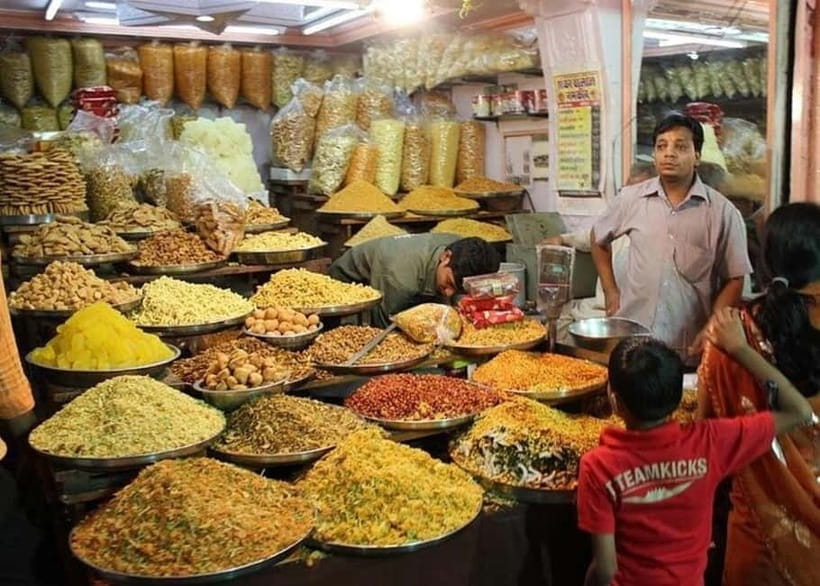
Depending on the route and timing, you might meet potters, jewelers, miniature painters, or spice vendors at work. This is one of the strongest parts of the experience because you see skills connected to Jaipur’s commercial and cultural life rather than only hearing about them in a lecture.
The word might matters here. These meetings are not described as guaranteed visits to named workshops, and the route may change with market conditions or the availability of individual artisans. If seeing a particular craft is important to you, ask before booking or contact the provider about that day’s plan.
The storytelling covers local customs, royal dynasties, folklore, language nuances, attire, spiritual beliefs, and the way Jaipur developed. A guide such as Krishna can make these subjects feel personal and easy to follow. His friendly style and ability to connect food with the city’s past have been especially praised. Rajesh has also been noted for showing interesting places without pushing purchases, while Ali Irfan has been praised for guiding people through Jaipur’s lanes and culture.
That last point is worth emphasizing. In many market walks, the line between showing a shop and steering you toward a sale can feel thin. The available comments specifically highlight that Rajesh did not pressure the group to buy. You should still treat any suggested purchase as optional, but this is an encouraging sign for anyone who wants a cultural walk rather than a shopping tour.
What the $13 price really covers
At $13 per person, the tour is priced well if you want a short introduction to Jaipur with food included. The fee covers a live guide, bottled water, masala chai at local tea shops, food tastings, and a traditional dessert. For three hours, that is a useful bundle, especially in a private group.
The value depends on what you want. If your priority is entering major monuments with long guided explanations, this is not the right product. The route is built around streets, markets, food, and local stories. You are paying for orientation and access to everyday Jaipur, not entrance tickets to a palace or fort.
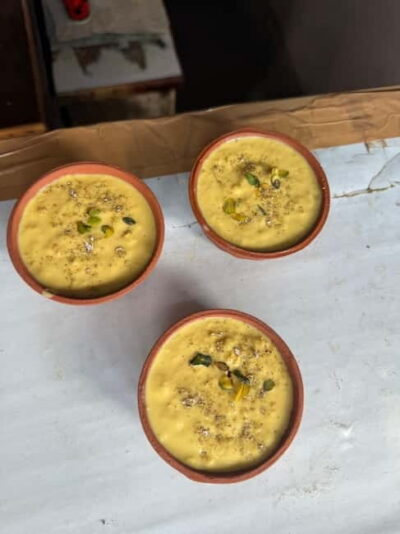
Dessert may include ghewar, rabri, kulfi, or another regional sweet. These can be quite rich, so pace yourself earlier in the tour. The final sweet course is a pleasant way to finish, but you should not expect a full restaurant meal. Personal purchases and extra food are separate.
Timing, comfort, and practical preparation

The tour lasts three hours, with starting times based on availability. Since much of the route is outdoors, the time of day can affect comfort. Check the available start time and choose carefully if you are sensitive to heat.
Wear comfortable shoes. The walk includes old streets, market lanes, and traditional neighborhoods, and the surfaces may not be smooth. A hat and sunscreen are sensible, and you should bring water even though bottled water is included. A camera is useful for the markets, architecture, flower displays, and street scenes.
Smoking is not allowed. The activity is not suitable for wheelchair users because of the walking route and old-city conditions. It is also not suitable for people with food allergies. The tour is offered with guides speaking English, Spanish, Russian, German, Japanese, Chinese, or French, though you should confirm your preferred language when selecting a time.
The activity allows cancellation up to 24 hours in advance for a full refund, and you can reserve now and pay later. Those terms are helpful if your Jaipur schedule is still shifting, but they do not change the need to confirm the starting time and meeting point before the day of the walk.
Who will enjoy this Jaipur walk most
I would choose this tour for a first day in Jaipur, especially if you want help getting oriented before exploring on your own. The route gives you a working sense of the old city, introduces several foods, and provides context for what you see on later visits.
It also suits people who like small-group or private experiences and who would rather sample several snacks than sit down for one formal meal. The mix of market streets, architecture, spiritual customs, artisans, and folklore keeps the pace varied.
I would be more cautious if you dislike crowds, have limited mobility, need guaranteed dietary substitutions, or want a quiet, highly structured history lecture. The activity is social, outdoors, and flexible. Jaipur’s street life is the subject, so noise, traffic, heat, and changing market conditions are part of the bargain.
Should you book it?
Book this tour if you want a low-cost introduction to Jaipur through food and daily life, with a local guide to explain the streets as you walk. At $13, the included tastings, tea, dessert, water, and three hours of guiding make it a strong value.
Choose it with realistic expectations. You may meet an artisan, but no particular craftsperson is guaranteed. You will taste several regional items, but this is not a full meal or a food safety lecture. And you will see the old city from street level, not tour every major monument.
For the best experience, arrive hungry but not starving, wear sturdy shoes, bring sun protection, and tell your guide early about spice preferences. If that sounds like your kind of Jaipur, this private walk is an easy recommendation.
FAQ
Where does the tour start?
The tour starts at New Gate in Jaipur.
Where does the tour finish?
It finishes at the flower market near Choti Chaupar.
How long does the tour last?
The walking tour lasts three hours.
What food is included?
Food may include pyaaz kachori, aloo tikki or chaat, samosa, mirchi bada, lassi or masala chai, ghewar or rabri, and kulfi or another regional dessert.
Is masala chai included?
Yes. Masala chai at local tea shops is included.
Is bottled water included?
Yes. Bottled water is included in the tour.
Is this a private tour?
Yes. The activity is offered as a private group experience.
What languages are available?
Live guides may be available in English, Spanish, Russian, German, Japanese, Chinese, or French.
Is the tour suitable for wheelchair users?
No. The activity is not suitable for wheelchair users.
Can I cancel for a refund?
Yes. You can cancel up to 24 hours in advance for a full refund.
More history-led tours in Jaipur
- Private Full-Day Sightseeing Tour of Jaipur’s Heritage by Car
★ 5.0 · 110 reviews - Jaipur Heritage Evening Walk – The Twilight Magic of Pink City
★ 5.0 · 93 reviews - Nahargarh Water Walk – Guided 2-Hour Heritage Tour in Jaipur
★ 5.0 · 89 reviews - Jaipur@Twilight Guided Heritage City walk tour with Food Tasting
★ 5.0 · 67 reviews
Newest Jaipur trips we have written up
- Jaipur Private Tour 2 Days with Car & Guide★ 5.0 · 13 reviews
- Culture walking and food tour with guide in Jaipur.★ 5.0 · 5 reviews
- From Jaipur Private Taj Mahal & Agra Fort Tour with Delhi Drop★ 4.5 · 9 reviews
- Two days Jaipur tour with guide by private car.★ 5.0 · 13 reviews
- Jaipur Full Day Private Tour★ 5.0 · 6 reviews
- Explore Jaipur on a Motorbike – A Unique Experience★ 4.5 · 5 reviews
- Vintage Walk Amer★ 5.0 · 11 reviews
- Walking Tour of Pink City (World Heritage Site) with Local Guide★ 5.0 · 7 reviews
Jaipur Food Tours, compared.
Jaipur@Twilight Guided Heritage City walk tour with Food Tasting
Read our review →
Guided Morning E-Rickshaw Ride with Food Tasting at Jaipur
Read our review →Browse the lists this tour appears in