
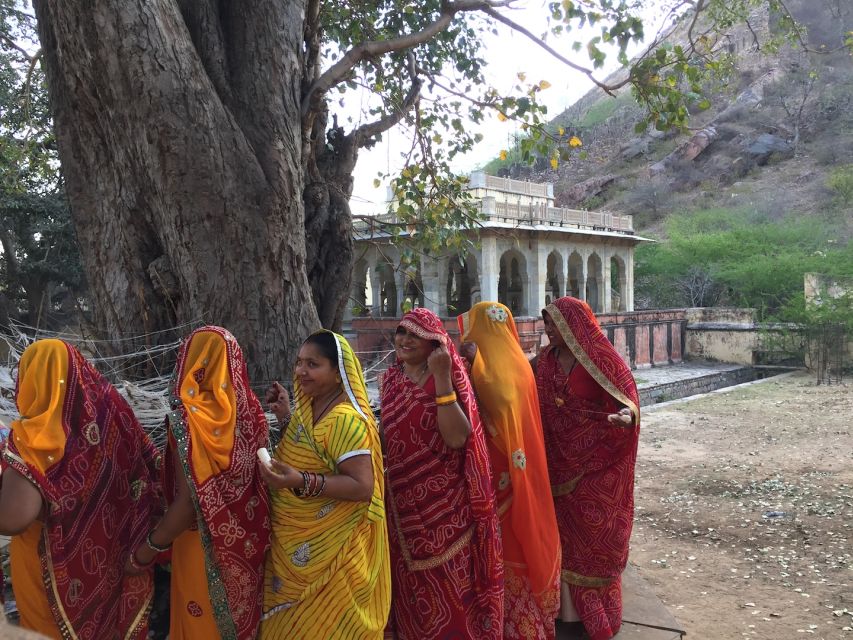
Reviewed · JAIPUR FOOD TOURS
Heritage Walk & Street Food Tasting in Jaipur
Jaipur’s best introduction may come one snack at a time. This three-hour walk leads you from Golcha Cinema through old markets, narrow lanes, temples and artisan quarters, with samosa, kachori, sweets and masala chai along the way. I especially like the way food and city history share the same route, rather than being treated as two separate tours.
I also like the small-group limit of 10 and the chance to see working craftspeople, including metal beaters and bangle makers. Guides such as Vivek, Raj and Kumar are praised for their local knowledge, gentle manner and ability to adjust the pace. The main drawback is simple: this is a walking tour through busy, uneven parts of the old city, so it will not suit wheelchair users or anyone who struggles with heat, crowds or several hours on foot.
Key points at a glance
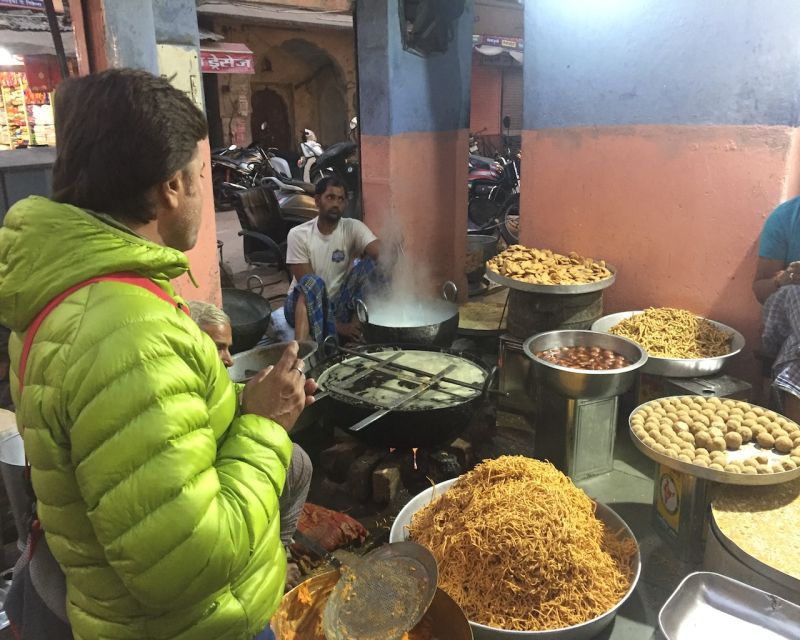
- Around 15 tastes are possible: Several stops can include savory snacks, sweets, tea and other local foods, so arrive hungry.
- The old city is the real subject: You will look at Jaipur’s planned streets, entry gates, painted houses, markets and historic quarters.
- Small groups keep it personal: The tour is limited to 10 people, with an English-speaking live guide.
- Craft is part of the walk: Expect an introduction to the Thathera metalworkers, sealing-wax bangle making and other local handiwork.
- Guides shape the experience: Vivek is frequently praised, while Raj, Kumar, Pushpendra and Sam have also led tours.
- Budget-friendly for what is included: At $21, the price covers food, water, the guide and the heritage walk, but not transport to or from the meeting point.
Jaipur’s old city, served with a side of history
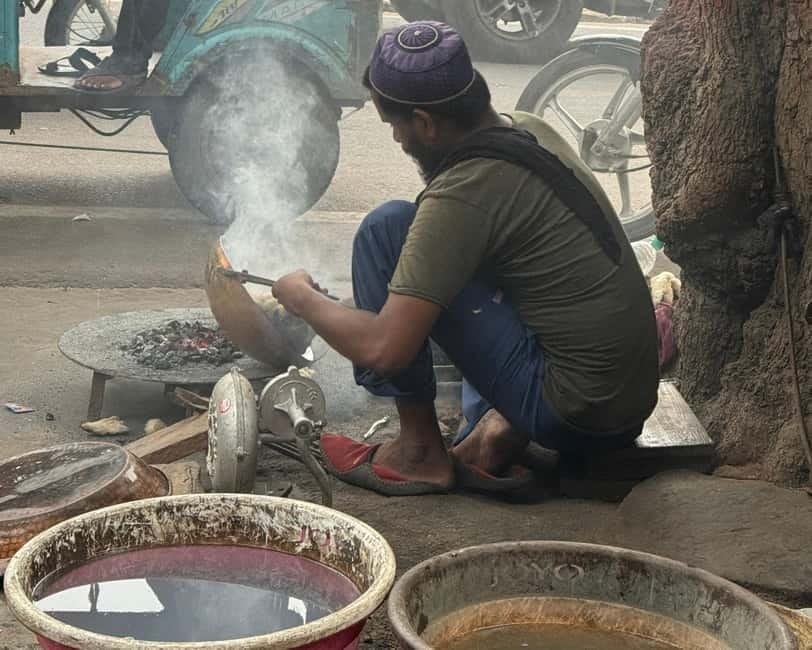
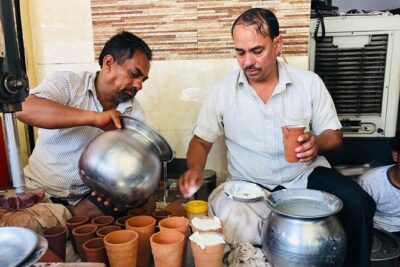
I like food walks that explain why a dish belongs to a place. Here, the snacks are a way into Jaipur’s daily life, trade, religion and social customs. You are not simply handed a plate and sent on your way. The guide explains what you are eating, how local vendors prepare it and how the surrounding neighborhood works.
The experience starts at the entry gate of Golcha Cinema. From there, you head into the historic center, where the city’s pink-painted streets give way to markets and smaller lanes. The walk stays away from the main tourist pattern at times, entering gullies where you see ordinary local activity rather than a polished sightseeing route.
That makes the tour useful early in a Jaipur visit. Within three hours, you get practical orientation, a first look at the old city and a list of foods you can recognize later. You also learn which streets and shops are worth revisiting, something that is harder to pick up from a car tour.
The guides are central to the experience. Vivek is often praised for his calm, friendly approach, clear explanations and strong local connections. Raj, Kumar, Pushpendra and Sam have also led tours, so your guide may differ depending on the day. The common thread is a personal walk led in English, rather than a large group following a scripted speech.
More food tours in Jaipur:
- Cultural Walk and Food Tasting In Jaipur
★ 5.0 · 118 reviews - Guided Morning Bicycle Tour with Food Tasting in Jaipur
★ 5.0 · 117 reviews - Food Tour and Eat like Locals
★ 5.0 · 111 reviews
Golcha Cinema to Chaura Rasta: the first tastes
The opening section takes you toward Chaura Rasta and lasts about 45 minutes. It combines walking, tea, street food and an introduction to the old city. This is where you begin to adjust to Jaipur’s pace: scooters, pedestrians, shopfronts, traffic and sudden turns into narrower lanes.
Masala chai is one of the early anchors. Tea gives the guide an easy way to explain local habits, while you get a chance to settle into the group before the food stops build up. You may also taste a samosa or another savory snack here, depending on the day’s route and what is being served.
I would not treat the first stop as a full meal. It is better to sample modestly at the start, since the tour can include many portions later. Several people have tried around 15 food items at roughly six stops, although the exact amount will vary. The sensible plan is to eat a light breakfast, not skip food all day.
This part can feel busy. Chaura Rasta is not a quiet heritage lane, and the charm comes with noise, movement and uneven walking conditions. Stay close to the guide when crossing streets and do not expect long periods of standing still for photographs.
Badi Chaupar and the planned Pink City
The next 45-minute section reaches Badi Chaupar, one of the major squares in the old city. Here the food tastings are paired with views along the route and more background about Jaipur’s layout. The city was planned with geometric precision, and the broad avenues and quadrants make more sense once you understand how the old center was organized.
You will hear about the city’s entry gates and why they matter. The route also brings you closer to the architectural character of Jaipur, including old facades and houses with detailed fresco work. Look up as you walk. The street-level activity is lively, but the upper stories often carry the more delicate decoration.
This is one of the strongest parts of the tour for people who want more than food. A snack might last a minute, while the explanation of a square, gate or painted building gives you a way to read the city for the rest of your stay.
Food at Badi Chaupar can include local snacks and regional specialties. The tour description specifically promises samosa, kachori, famous sweets and tea, plus additional items from local shops. A kachori is filling, and sweets can arrive earlier than expected, so ask the guide about portion sizes if you are pacing yourself.
Tripolia Bazar and the working city
The walk continues for another 45 minutes through Tripolia Bazar. This section is less about sitting down and more about watching the old city function. You pass through market streets and smaller lanes, with the guide pointing out architecture, trade and local customs along the way.
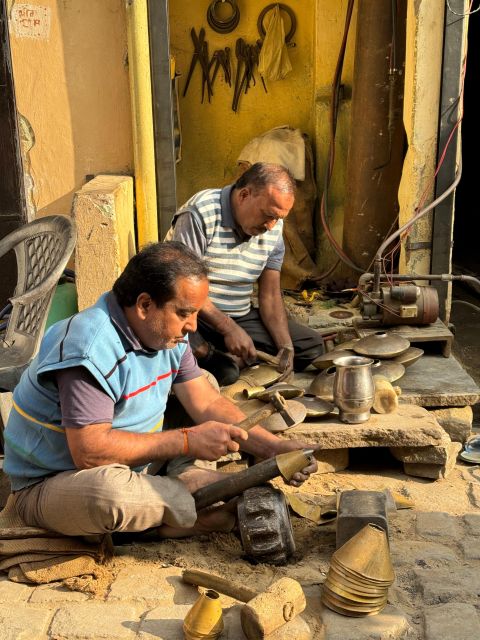
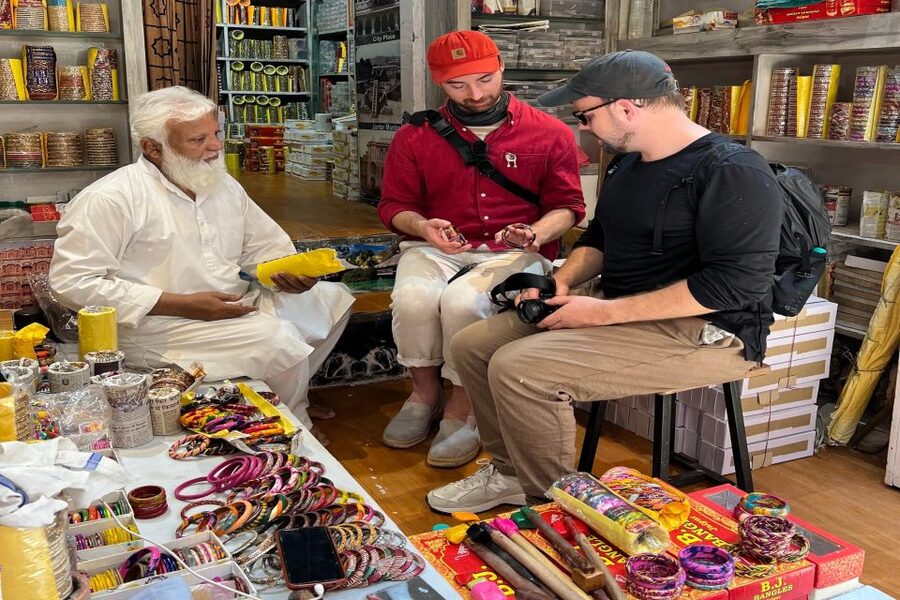
A major feature is the visit to a street associated with Thatheras, a community of metal beaters. This gives the walk a useful human scale. Instead of seeing handicrafts only in a showroom, you get an introduction to the people and processes behind them. The tour also includes the chance to meet local artisans and hear about their work.
You may see other forms of traditional craft, including bangle making with sealing wax. That detail is especially worthwhile because it is easy to miss when walking independently. The guide helps you notice a workshop or craft practice that would otherwise look like part of the general street scene.
Tripolia Bazar can be crowded and visually demanding. You should be ready to stop suddenly, make room for passing traffic and keep your belongings secure. This is not a museum visit with quiet rooms and labels. It is a working neighborhood, and that is precisely why the walk feels more connected to present-day Jaipur.
More heritage walks in Jaipur:
- Jaipur Bazaar & Food Walking Tour
★ 5.0 · 281 reviews - Jaipur Heritage Walking Tour – Local life, Havelis and Temples
★ 5.0 · 72 reviews - Food Walking Tour in Jaipur
★ 5.0 · 71 reviews - Jaipur Heritage Walking Tour
★ 4.5 · 31 reviews
Choti Chaupar and the final food stops
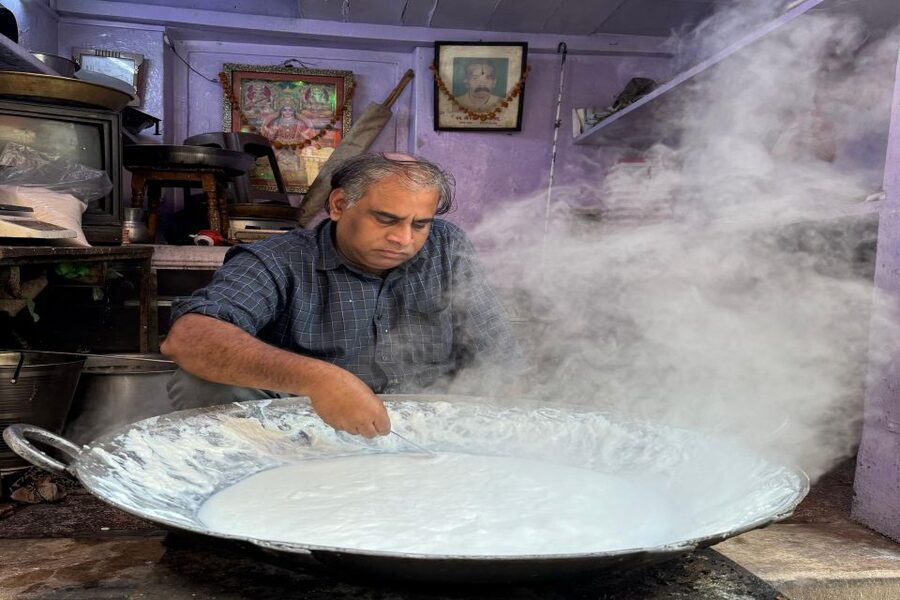
The last scheduled section leads to Choti Chaupar and takes about 45 minutes. This is where more street food and regional tasting usually appear, followed by the finish at Chhoti Chopad. By this point, you will probably have a good sense of which flavors suit you and how generous the portions have been.
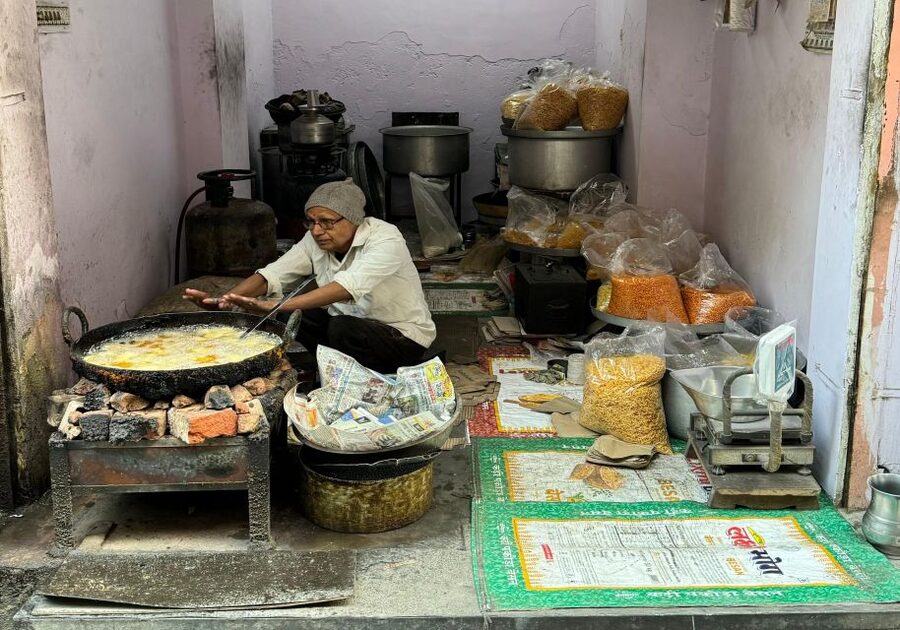
The food is not limited to one famous dish. You might try samosa, kachori, sweets, masala chai and other local items selected by the guide. Some people have found the food surprisingly plentiful, while one useful piece of advice is not to expect 20 entirely different dishes. The value comes from several small tastings plus the cultural setting, not from counting every bite.
If you have a low tolerance for spice, tell the guide at the start. The route can be adjusted to your tastes, and guides have accommodated food preferences. Still, this is Indian street food, not a controlled tasting menu, so you should be open about allergies, dietary needs and personal limits before eating.
The final stretch also offers a chance to revisit ideas from earlier in the walk: local religion, trade, food preparation and the relationship between markets and neighborhoods. A Hindu temple and a community well are among the sights included on the broader route. These are modest stops, but they help show how daily life has long been organized around shared spaces.
What makes this more than a food tour
The strongest reason to book is the combination of access and explanation. On your own, you can walk through Jaipur’s old city, but you may not know which doorway leads to an artisan street, which vendor is suitable for a first taste or why a particular gate and market matter.
The guide also acts as a cultural interpreter. You can ask about religion, local customs, food, architecture and ordinary life. Several guide profiles describe a relaxed style, with time for questions and photographs rather than a rushed march from one snack to the next.
Solo visitors may appreciate the extra reassurance. The walk takes you through confusing lanes and busy market areas, and guides have helped solo guests feel comfortable and find onward transport at the end. That does not remove the need for normal urban awareness, but it makes the first day in Jaipur less daunting.
I also like the no-hidden-agenda promise. The experience is designed around food, heritage and local contact rather than pushing you toward a shop purchase. You may meet artisans and see goods being made, but the stated focus is learning about the craft, not spending money.
Is $21 good value?
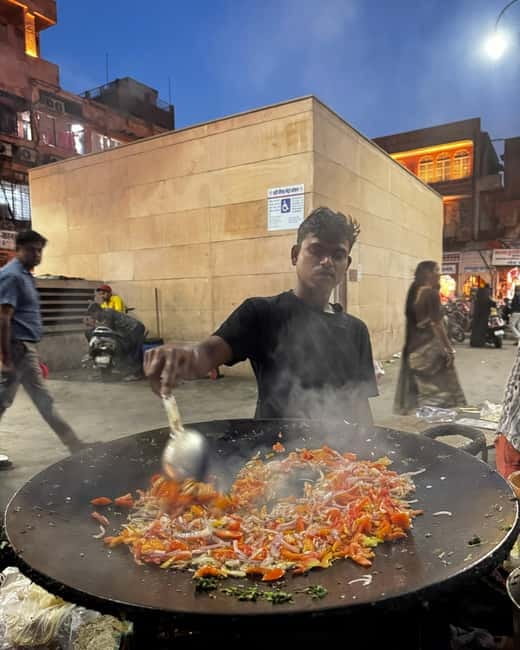
At $21 per person, this is good value if you want both a meal-sized tasting and a guided orientation to the old city. The price includes the street food, masala chai, bottled water, an English-speaking guide and the heritage walk. Several tastings at local shops could otherwise add up quickly, even before paying for a private guide.
The small-group limit improves the value. A maximum of 10 people is small enough for questions and easier movement through narrow lanes. It is not a private tour, so the guide cannot promise to follow every individual interest, but the format is more personal than a large sightseeing group.
You need to arrange your own way to Golcha Cinema and from Chhoti Chopad. Hotel pickup and drop-off are not included, and alcohol is not part of the experience. Build those details into your budget and timing, especially if you are arriving by car or planning another appointment immediately afterward.
The tour allows free cancellation up to 24 hours before the start and offers reserve-now, pay-later booking. Starting times depend on availability, so check the selected slot carefully. A morning walk can be cooler, while an afternoon or early evening route may show the markets becoming more active.
Food, comfort and practical limits
Wear comfortable shoes. Three hours on foot through old Jaipur is not the place for stiff sandals or shoes with poor grip. Comfortable, modest clothing is also the right choice, especially because the route includes a Hindu temple.
Carry sunscreen, a hat and water, even though one bottle is included. Jaipur’s weather can change the feel of the walk, and shade may not be available at every stop. Personal medication should come with you, along with a passport or other identification.
Photography is allowed, but do not use flash inside temples. Ask before photographing artisans or local residents. A respectful approach matters more here than getting a perfect picture.
The tour is not suitable for wheelchair users. The narrow lanes, market traffic, uneven surfaces and amount of walking make this a real limitation, not a minor inconvenience. If mobility is an issue, ask the provider about alternatives before booking.
Food safety is a reasonable concern, especially for visitors new to Indian cuisine. The guide chooses local stops and explains what you are eating, and several cautious eaters have reported feeling comfortable after trying the food. That is not a medical guarantee. Tell your guide about allergies, stomach conditions or strong dislikes, and use your own judgment at every stop.
Who should book this Jaipur walk?
I would choose this tour for a first visit, especially if you want an introduction to the old city before visiting larger sights such as the City Palace or Jantar Mantar. It gives you a useful street-level context that a monument-only day may miss.
Food lovers will get the most obvious benefit, but you do not need to be adventurous at every stop. The guide can tailor choices, and the walk includes history, craft and architecture even if you eat small portions.
It also suits solo visitors and couples who want local guidance without paying for a fully private experience. Families with older children may enjoy the snacks and craft demonstrations, though parents should decide if their children can manage three hours of walking and busy streets.
I would hesitate if you want a quiet, polished sightseeing tour, dislike crowded markets or need a fixed meal with full control over ingredients. This is an active street experience, with real traffic, changing vendor conditions and plenty of movement.
Should you book it?
Book this walk if you want Jaipur explained through its food, working neighborhoods and everyday traditions. The $21 price is fair, the small group keeps it manageable, and the route offers more than a standard snack crawl.
Choose a morning or late-day slot based on the weather, eat lightly beforehand, and tell the guide about your food limits at the start. If you meet Vivek, Raj, Kumar, Pushpendra or Sam, expect the experience to depend partly on that individual guide’s style, but the format remains clear: walk, taste, ask questions and see the old city from inside its lanes.
FAQ
How long does the Heritage Walk and Street Food Tasting in Jaipur last?
The experience lasts three hours.
What is the price?
The listed price is $21 per person.
Where does the tour begin?
You meet at the entry gate of Golcha Cinema in Jaipur.
Where does the tour finish?
The walk finishes at Chhoti Chopad, also written as Choti or Chhoti Chaupar in the route details.
What food is included?
The tasting includes samosa, kachori, famous sweets, masala chai and additional street food from local shops.
Is bottled water included?
Yes. One bottle of water is included.
What language is the tour conducted in?
The live tour guide speaks English.
How large is the group?
The group is limited to 10 participants.
Is the tour suitable for wheelchair users?
No. The tour is not suitable for wheelchair users because it involves substantial walking through old-city streets and lanes.
More history-led tours in Jaipur
- Private Full-Day Sightseeing Tour of Jaipur’s Heritage by Car
★ 5.0 · 110 reviews - Jaipur Heritage Evening Walk – The Twilight Magic of Pink City
★ 5.0 · 93 reviews - Nahargarh Water Walk – Guided 2-Hour Heritage Tour in Jaipur
★ 5.0 · 89 reviews - Jaipur@Twilight Guided Heritage City walk tour with Food Tasting
★ 5.0 · 67 reviews
Newest Jaipur trips we have written up
- Jaipur Private Tour 2 Days with Car & Guide★ 5.0 · 13 reviews
- Culture walking and food tour with guide in Jaipur.★ 5.0 · 5 reviews
- From Jaipur Private Taj Mahal & Agra Fort Tour with Delhi Drop★ 4.5 · 9 reviews
- Two days Jaipur tour with guide by private car.★ 5.0 · 13 reviews
- Jaipur Full Day Private Tour★ 5.0 · 6 reviews
- Explore Jaipur on a Motorbike – A Unique Experience★ 4.5 · 5 reviews
- Vintage Walk Amer★ 5.0 · 11 reviews
- Walking Tour of Pink City (World Heritage Site) with Local Guide★ 5.0 · 7 reviews
Jaipur Food Tours, compared.
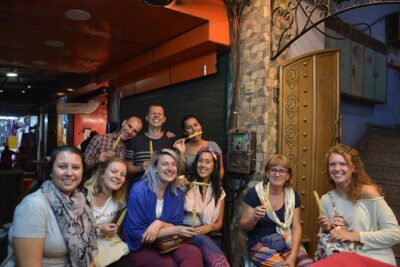
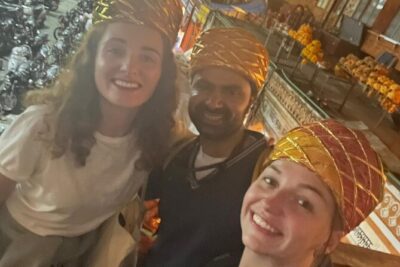
Jaipur@Twilight Guided Heritage City walk tour with Food Tasting
Read our review →
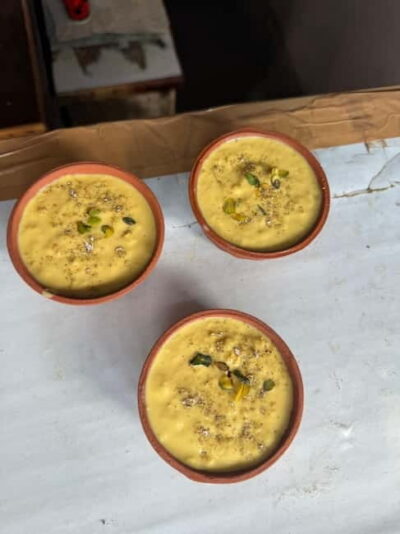
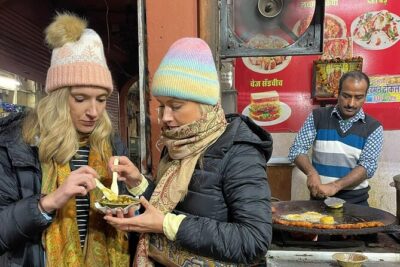
Guided Morning E-Rickshaw Ride with Food Tasting at Jaipur
Read our review →
Guided Night Tour of Jaipur With Optional Street Food Tasting
Read our review →Browse the lists this tour appears in