
Reviewed · FOOD & DRINK
Tea Tasting Session at India’s oldest tea boutique : Sancha Tea Boutique
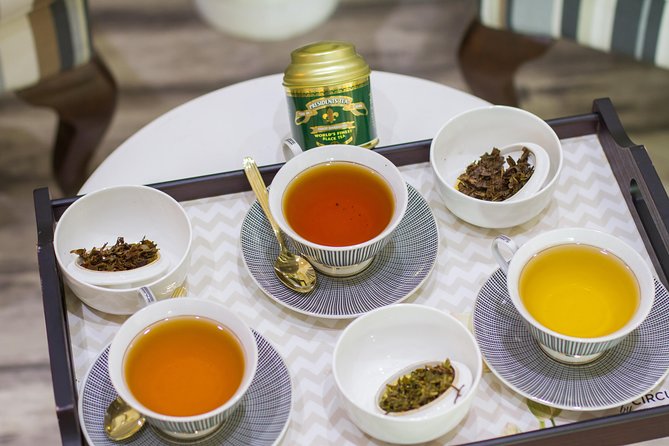
India’s tea story comes alive in a small Jaipur shop, one cup at a time. At Sancha Tea Boutique, you compare Darjeeling, Assam, and Sikkim teas, then see how three seasons from the same Darjeeling region can taste remarkably different. Masala chai adds a familiar Indian finish.
I like the small group size, capped at 10, because tea tasting works best when you can ask questions and focus on aroma and flavor. I also like the chance to browse more than 100 Indian teas after the tasting. The main limitation is time: one hour gives you a useful introduction, not a full education in every tea style.
Key points
- Three Darjeeling seasons: Compare spring first flush, summer, and autumn tea from the same broad growing region.
- Tea from several Indian regions: Taste named selections from Darjeeling, Assam, and Sikkim.
- Masala chai included: The tasting moves beyond plain black tea to India’s spiced everyday brew.
- Small group format: A maximum of 10 people allows room for questions and personal guidance.
- More than 100 teas to browse: The shop carries black, green, white, and Oolong teas.
- Central Jaipur location: Meet at Sancha Tea Boutique on MI Road, near Lassiwala and Jayanti Market.
Why Sancha’s Jaipur tasting is worth an hour
Tea in India is not one single flavor. Darjeeling can be light and floral, Assam can be fuller and stronger, and Sikkim brings its own character. This tasting gives you a practical way to compare those differences instead of simply hearing a guide list tea-growing areas.
The session is led by a tea specialist associated with Sancha’s tasting program. No individual guide name is provided, but the staff member is expected to explain the origin, production, and tasting notes as you sample each tea. That matters because a good tea tasting is not just a line of cups. You need someone to explain what to notice.
At $10.67 per person, the price is modest for an hour of guided tasting in central Jaipur. You are paying for several samples, instruction, and access to a shop with a large range of Indian tea. The value is strongest if you plan to buy tea afterward or want a clear introduction before shopping.
If you already know Indian tea well, the session may feel basic in places. For most people, though, the chance to taste side by side is more useful than reading labels on a shelf.
More food tours in Jaipur:
- Jaipur Bazaar & Food Walking Tour
★ 5.0 · 281 reviews - Heritage Walk & Street Food Tasting in Jaipur
★ 5.0 · 158 reviews - Cultural Walk and Food Tasting In Jaipur
★ 5.0 · 118 reviews
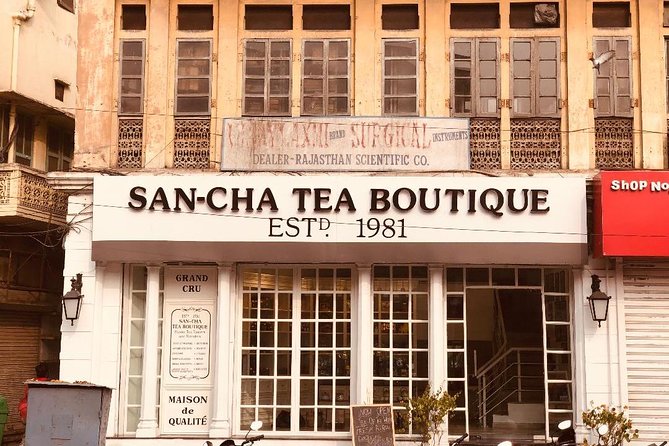
Arriving at Sancha Tea Boutique on MI Road
The meeting point is Sancha Tea Boutique on Mirza Ismail Road, commonly called MI Road. The shop is near Lassiwala and Jayanti Market in the Panch Batti and New Colony area of Jaipur. It is close to public transportation, so you do not need to arrange a special excursion outside the city.
The activity begins and ends at the shop. That simple setup helps keep the experience efficient. You arrive, take part in the tasting, and can continue shopping or exploring Jaipur afterward without a long transfer.
The listed operating window is daily from noon to 6 p.m. You choose a date and time during booking, but it is wise to check the confirmed start time carefully. A tasting is best enjoyed when you are not rushing from another attraction.
The boutique itself is part of the experience. Sancha is described as India’s oldest tea shop chain, and the shop carries more than 100 Indian teas. You will find black, green, white, and Oolong varieties, so the tasting also serves as a useful introduction to the products on the shelves.
Comparing Darjeeling, Assam, and Sikkim
The first major part of the tasting focuses on black tea from India’s best-known growing regions. Darjeeling, Assam, and Sikkim each offer a different way to understand how place affects the finished cup.
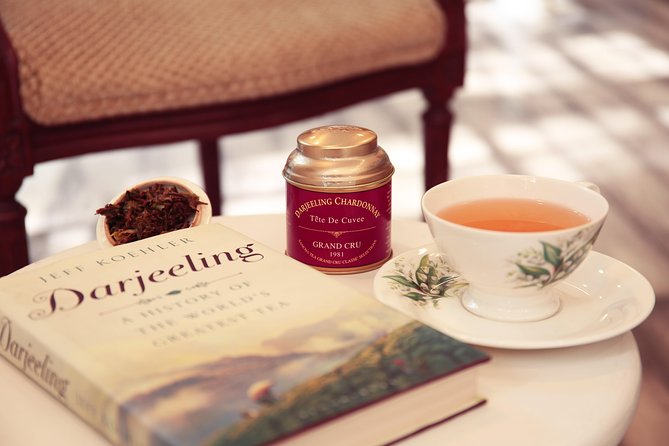
Darjeeling is the name many people associate with delicate Indian black tea. It grows in the Himalayan foothills and is known for a lighter style than the strong breakfast tea many people drink. The session uses Darjeeling as an important reference point before moving to its seasonal differences.
Assam gives you a useful contrast. It is a major tea-producing area, and its tea is generally associated with a stronger, fuller profile. The comparison is valuable because you can taste the difference directly rather than rely on a description such as bold or brisk.
Sikkim is another important part of the lineup. It is less familiar to many tea drinkers, so this sample adds something beyond the standard Darjeeling and Assam pairing. I like this part of the session because it shows that Indian tea is not limited to the names most often found on international menus.
The exact number of cups can vary with the selection made by the tea taster. The experience description specifically names Darjeeling, Assam, and Sikkim, while some accounts of the session describe a wider look at India’s five tea-producing regions. You should expect the three named regions at minimum, with the possibility of additional samples depending on the presentation.
The three seasons of Darjeeling tea
The most distinctive section is the comparison of three Darjeeling seasons: spring, summer, and autumn. These are also known as first flush, summer, and fall or autumn harvests.
This is where the tasting becomes more than a regional sampler. You are comparing tea from the same broad origin while considering the effect of the growing season. The session explains how one tea bush can produce cups with different character as the year changes.
Spring first flush is generally treated as the lightest and most delicate of the three styles. Summer tea gives you a different balance, while autumn tea brings another shift in body and flavor. The point is not to memorize tasting language. It is to notice that harvest timing changes the final drink.
For a tea beginner, this side-by-side comparison is easy to understand. You can take a sip, pause, and compare it with the next cup. For a seasoned tea drinker, it offers a more focused look at Darjeeling than a single sample would provide.
This part also explains why tea prices can vary. Season, origin, production, and quality all affect what reaches the cup. If you are planning to purchase Darjeeling in the shop, knowing the difference between the seasons can help you choose with more confidence.
Same city, a completely different sort of morning:
- Jaipur: Private Full Day Sightseeing Tour By Car with Guide
★ 4.9 · 1,839 reviews - 3-Hour Morning Bike Tour of Jaipur
★ 5.0 · 1,253 reviews - Jaipur: Private Sightseeing Day Tour with Guide by Car
★ 4.8 · 773 reviews - Jaipur: Full-Day City Tour with Car, Guide & Skip-the-Line
★ 4.8 · 512 reviews
Masala chai brings the tasting back to everyday India
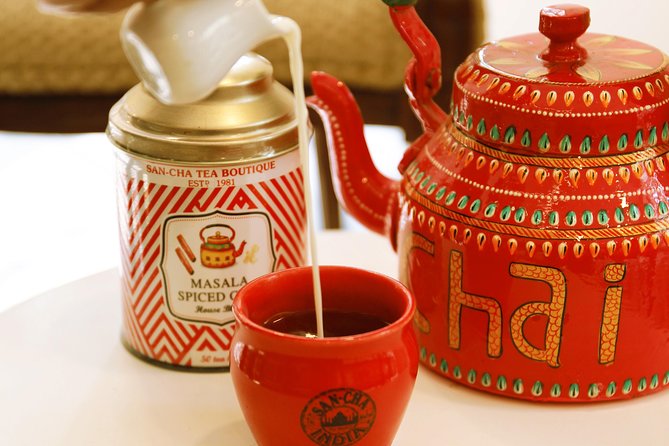
After the more focused black tea samples, the tasting includes masala chai. This is a welcome change of pace.
Masala chai is not usually served as a plain tea comparison. It is a spiced preparation and one of the most recognizable tea drinks in India. Including it shows another side of Indian tea culture, one connected to daily life rather than only to specialist tasting rooms.
I like the contrast between carefully compared Darjeeling teas and a more familiar spiced chai. It keeps the session from becoming too technical. If you are not normally a tea drinker, masala chai may be the cup that makes the experience feel most approachable.
The supplied details do not specify the exact spice blend or preparation method, so you should not expect a fixed recipe to be part of the booking. The useful point is that masala chai is included alongside the regional and seasonal samples.
What the tea education covers
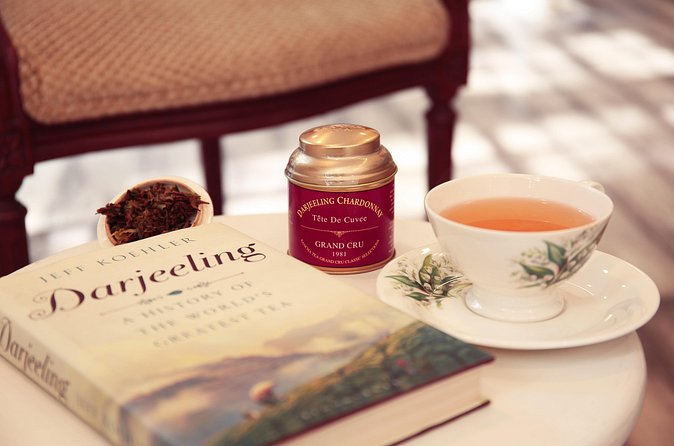
The tasting also includes the history of Indian tea. The educational portion covers where the teas come from and how they are made, with explanations offered as you taste.
That combination works well. Tea history on its own can become a short lecture, while tasting without context can leave you unsure what separates one cup from another. Here, the explanation is tied to the tea in front of you.
The staff also discusses origins and manufacturing processes. You may hear about how the leaves are treated and why production affects aroma, strength, and flavor. The session is designed for both adults and children, so the explanations are intended to be accessible rather than aimed only at professional tea buyers.
You should still keep your expectations in check. One hour is enough to learn the main ideas, compare several styles, and ask questions. It is not enough to cover every Indian tea estate, processing method, or regional tradition in detail.
Browsing more than 100 Indian teas
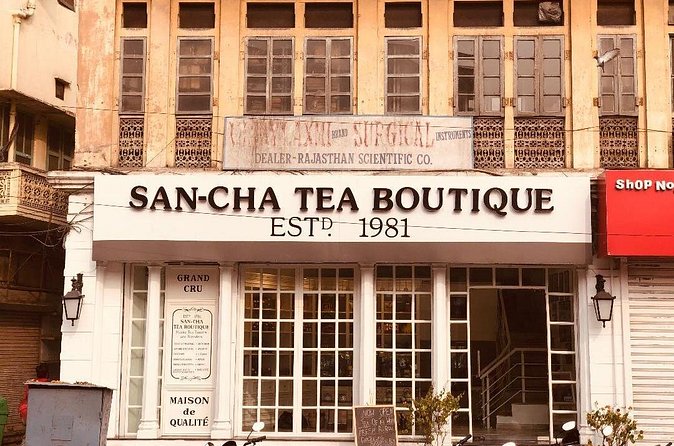
Once the guided tasting ends, you can browse the boutique’s full selection. The store carries more than 100 Indian teas, including black, green, white, and Oolong styles.
This is an important part of the value. A tasting gives you a short list of flavors to remember, while the shop gives you a chance to look for something that matches your taste. If you prefer light, floral tea, you can ask about options similar to the Darjeeling samples. If you want a stronger cup, Assam may point you in the right direction.
The selection also gives you a chance to try something outside the tasting. Green, white, and Oolong teas make the shop more than a black-tea stop. The activity information does not say that every tea in the store is sampled, so plan to browse rather than expect a tasting of all 100 varieties.
Some tasting accounts also describe small gifts at the end. Since this is not listed as a guaranteed inclusion, treat it as a possible extra rather than part of the price calculation.
Take your time before buying. The staff can help explain the differences, but you should choose tea based on what you actually liked in the cup. The tasting is most useful when it makes shopping easier, not when it leaves you with a bag of tea you selected only because the label sounded impressive.
Why the small group limit matters
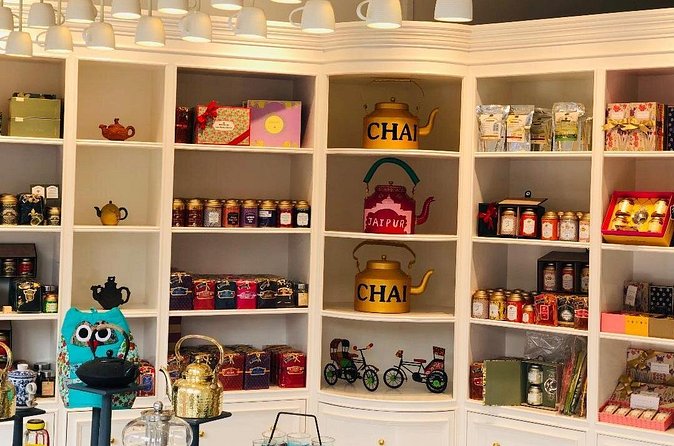
The activity accepts a maximum of 10 people. That is not a private tasting, but it is small enough to feel more personal than a large demonstration.
Tea tasting involves questions that can seem minor but are useful: Which cup is strongest? Why does one Darjeeling taste lighter? Is a tea better with milk? Can a particular tea work as an everyday drink? In a small group, you have a better chance of asking those questions.
The format also suits families. Children can compare smells and flavors without needing prior tea knowledge, and the session gives them a clear activity in the middle of a Jaipur sightseeing day. The shop setting is quieter than a major attraction, which can be a relief after time on the city’s busy streets.
The trade-off is that the experience depends on the group. With 10 people, some questions may take time, and the pace may not be entirely yours. If you want a private, highly tailored tea lesson, this is not described as a private booking.
Practical value, timing, and cancellation
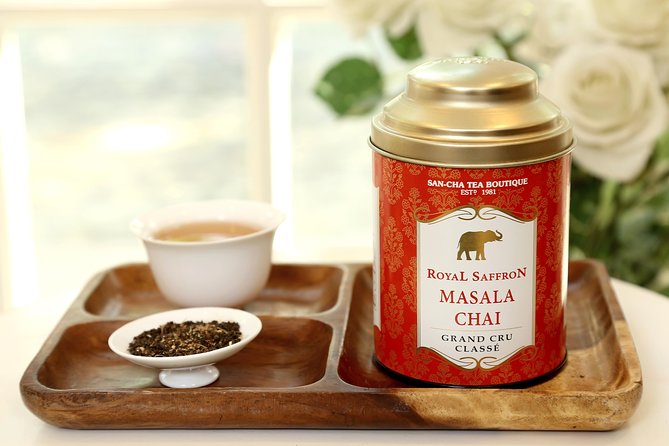
The session lasts about one hour. That makes it easy to fit between other Jaipur plans, but remember to allow time to find the MI Road shop and browse afterward if you intend to shop.
The $10.67 cost is reasonable for a guided tasting with several regional and seasonal samples. I would especially recommend it if you are curious about buying Indian tea, since the instruction can prevent a random purchase. The value is less clear if you only want a quick cup of chai, because this is a tasting and education session rather than a simple café visit.
A mobile ticket is provided, and booking confirmation is sent at the time of reservation. The activity requires a minimum number of people. If that minimum is not reached and the session is canceled, you are offered another date or experience, or a full refund.
Free cancellation is available up to 24 hours before the start time. Cancel later than that and the payment is not refunded, and changes made within 24 hours are not accepted. The cut-off follows Jaipur local time, so check the timing before making last-minute plans.
Who should book this Jaipur tea experience
I would choose this tasting if you want a short, indoor activity that adds context to Indian food and drink. It suits tea drinkers, curious beginners, families, and anyone planning to take tea home.
It is also a good choice if you have already seen several Jaipur palaces and markets and want something slower. The central location makes it easy to add to a day around MI Road.
You may want to skip it if tea is not of interest and you are looking only for a quick beverage. The session is built around comparison, explanation, and browsing. Its strength is detail, not speed.
Should you book Sancha Tea Boutique?
Yes, if you want to understand why Indian teas taste different and you have an hour in Jaipur. The strongest reason to book is the three-season Darjeeling comparison, supported by samples from Assam, Sikkim, and masala chai.
I also like that the activity ends where it begins, costs $10.67, and keeps the group to 10 people. Those details make it an easy, low-risk addition to a Jaipur itinerary.
Go in expecting an introduction, not a professional tea course. If that sounds right, Sancha Tea Boutique offers a useful lesson, plenty to taste, and a sensible place to buy tea afterward.
FAQ
Where does the tea tasting take place?
It takes place at Sancha Tea Boutique on Mirza Ismail Road, also called MI Road, near Lassiwala and Jayanti Market in Jaipur.
How long does the activity last?
The tasting lasts approximately one hour.
What teas are included?
The session includes black teas from Darjeeling, Assam, and Sikkim, three seasons of Darjeeling tea, and masala chai.
Does the tasting include different types of tea besides black tea?
The tasting centers on black tea and masala chai. Afterward, you can browse the shop’s selection of more than 100 Indian teas, including green, white, Oolong, and black tea.
How many people can join the session?
The activity has a maximum group size of 10 people.
What are the operating hours?
The listed hours are Monday through Sunday from 12 p.m. to 6 p.m.
Can I cancel for a full refund?
Yes. You can cancel at least 24 hours before the start time for a full refund. Cancellations or changes made less than 24 hours before the start time are not accepted for a refund.
Newest Jaipur trips we have written up
- Jaipur Private Tour 2 Days with Car & Guide★ 5.0 · 13 reviews
- Culture walking and food tour with guide in Jaipur.★ 5.0 · 5 reviews
- From Jaipur Private Taj Mahal & Agra Fort Tour with Delhi Drop★ 4.5 · 9 reviews
- Two days Jaipur tour with guide by private car.★ 5.0 · 13 reviews
- Jaipur Full Day Private Tour★ 5.0 · 6 reviews
- Explore Jaipur on a Motorbike – A Unique Experience★ 4.5 · 5 reviews
- Vintage Walk Amer★ 5.0 · 11 reviews
- Walking Tour of Pink City (World Heritage Site) with Local Guide★ 5.0 · 7 reviews
Food & Drink, compared.




Jaipur@Twilight Guided Heritage City walk tour with Food Tasting
Read our review →
Jaipur Evening Food & market Tour: Savor the Test of the Jaipur
Read our review →
Browse the lists this tour appears in