

Reviewed · JAIPUR SUNRISE AND FLOWER MARKET TOURS
Jaipur City Tour with Traditional Flower Market Visit
Jaipur’s best surprise may come before the palaces open: an early walk through the flower and vegetable market, where sellers handle the day’s produce in the ordinary rhythm of local life. From there, this private tour moves by car through Amer, Jal Mahal, Hawa Mahal, the City Palace, and several lesser-seen monuments.
I like the private car and hotel pickup, which make a long sightseeing day much easier in Jaipur’s heat and traffic. I also like the simple local break for masala chai, samosa, or kachori, a small touch that gives the grand monuments some everyday context.
The main drawback is the ambitious schedule. You may see many sites, but you will not have unlimited time at each one. Entrance fees, camera fees, and gratuities are extra, and the flower market visit applies to the 7:00 to 8:00 AM time slot.
Key points to know before booking
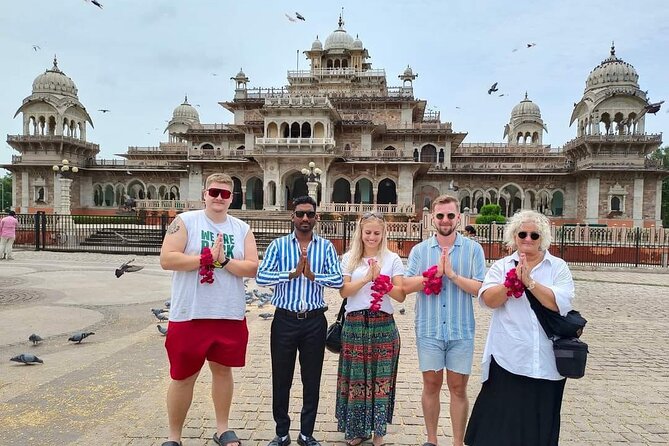
- The early start matters: Choose the 7:00 to 8:00 AM slot for the flower and vegetable market walk.
- You get a private vehicle: The tour is for your group only, up to three people, with air-conditioning and hotel, airport, or railway station pickup.
- Vinod is a familiar name: His friendly, helpful approach and advice on food and shopping have been central to many memorable days with this operator.
- The route covers a lot: Amer, Panna Meena Ka Kund, Jal Mahal, Royal Gaitor, Hawa Mahal, City Palace, Jantar Mantar, Isarlat, Albert Hall, and Galta Ji may all appear in one day.
- Budget carefully: The advertised price is $13.59 per group, but combined monument admission is listed at $30 per person, before camera fees and tips.
- Local food is included: Tea, coffee, or lassi with a samosa or kachori is part of the experience, along with bottled water.
Why the flower market is the best opening
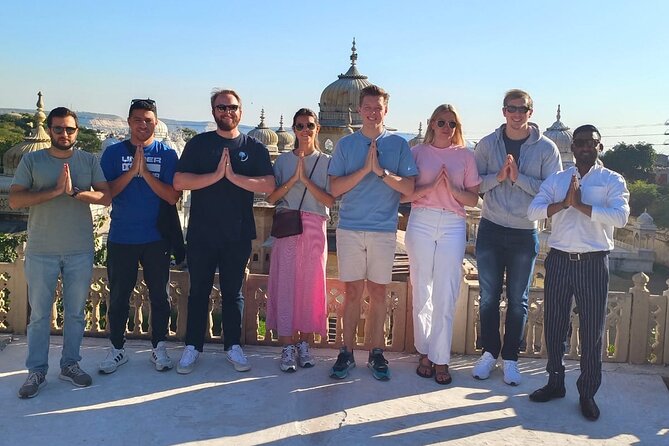
If you want Jaipur to feel like a working city rather than a row of famous photo stops, begin early. The flower and vegetable market offers a look at local buying and selling that a palace courtyard cannot provide.
The morning visit is available when you select the 7:00 to 8:00 AM time slot. Your driver first takes you to Hawa Mahal for a photo opportunity, then you walk toward the market. The route passes an 18th-century heritage building, giving the short walk a bit of architectural interest before the market comes into view.
This is not a polished food tour or a staged cultural show. You are there to see how flowers and vegetables are sold in Jaipur’s daily routine. That makes the stop useful for anyone who prefers ordinary local scenes to another carefully arranged viewpoint.
Afterward, the tour takes you to an old local food shop for masala chai and a snack. A samosa or kachori gives you a quick taste of familiar Jaipur fare without adding a separate restaurant stop to an already packed day.
You should know that the market is tied to the early time slot. If you start later, the day may still cover Jaipur’s monuments, but you should not expect the flower market portion.
More sunrise and flower market walks in Jaipur:
- Skip The Line: Sunrise Taj Mahal & Agra Day Tour From Jaipur
★ 5.0 · 251 reviews - Jaipur Tuk-Tuk Tour with Flower Market Visit
★ 5.0 · 124 reviews - Jaipur Tour by Tuk-Tuk or Car with Flower Market
★ 5.0 · 120 reviews
Amer and Panna Meena Ka Kund
The drive to Amer takes you about 11 kilometers from Jaipur. Amer is the historical heart of the sightseeing route, with Rajput and Mughal design, palaces, temples, carved details, and views around the old town.
The description highlights the Sheesh Mahal, or Mirror Palace, and the Sila Devi Temple. These sites reflect the royal setting that makes Amer different from the newer streets of Jaipur. You are not simply visiting one fort building. You are seeing a former royal center with palaces, religious spaces, and traditional bazaars close together.
The tour also includes Panna Meena Ka Kund, a 16th-century stepwell near the fort. Its geometric stairways make it one of the more visually distinctive stops on the route. Because it sits in the shadow of the better-known fortress, it can feel quieter and more intimate than the main Amer sights.
The practical issue is time. Amer alone can occupy a large part of a day, especially if you want to examine the palace rooms and carved work carefully. Since this tour continues to many other monuments, ask your guide how long you have at each stop and decide in advance which places matter most to you.
Jal Mahal and Royal Gaitor
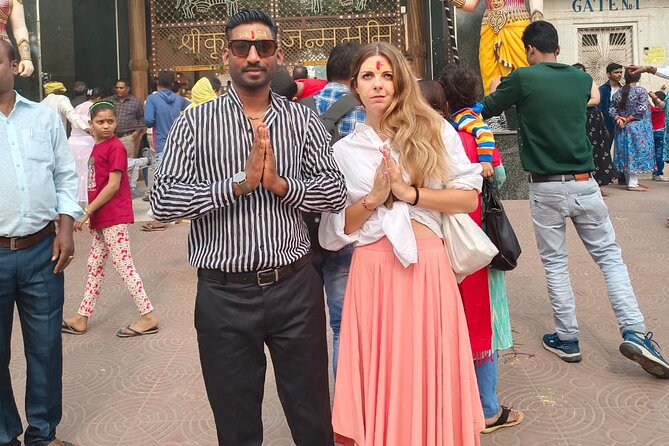
Jal Mahal gives you a quick change of pace. The palace sits in the middle of Man Sagar Lake, making it one of Jaipur’s most recognizable photo stops. You generally view it from the shore rather than treating it as a long interior visit, so this portion works well as a short pause between larger monuments.
Royal Gaitor lies near the Nahargarh foothills and offers a calmer setting. It contains the carved cenotaphs of Maharajas including Pratap Singh, Madho Singh II, and Jai Singh II. The marble cenotaph of Jai Singh II is especially notable, with a dome held by 20 carved pillars.
I like this pairing because it breaks up the palace-heavy route. Jal Mahal gives you water and open views, while Royal Gaitor focuses on memorial architecture and stone carving. Neither stop needs the same amount of time as City Palace or Amer, but both add variety.
Hawa Mahal and the walled city
Hawa Mahal is Jaipur’s signature facade, with five stories of small windows and projecting balconies. Its design allowed royal women to watch street life while remaining screened from public view. The building is dedicated to Lord Krishna and is closely tied to the image of the Pink City.
The tour includes a photo opportunity near Hawa Mahal at the start of the early market visit, then returns to the monument as part of the city sightseeing route. That offers two different ways to see it: first as a street-level landmark before the day gets busy, and later as part of the walled city.
Be careful with the claims sometimes repeated about Hawa Mahal being built without a foundation or leaning at an 87-degree angle. The supplied tour description makes those claims, but they are not the main reason to visit. The useful fact for you is simpler: this is a striking five-story palace facade, and the street view is essential even if you do not spend long inside.
More Jaipur sightseeing tours:
- Jaipur: Private Full Day Sightseeing Tour By Car with Guide
★ 4.9 · 1,839 reviews - 3-Hour Morning Bike Tour of Jaipur
★ 5.0 · 1,253 reviews - Jaipur: Private Sightseeing Day Tour with Guide by Car
★ 4.8 · 773 reviews - Jaipur: Full-Day City Tour with Car, Guide & Skip-the-Line
★ 4.8 · 512 reviews
City Palace and Jantar Mantar
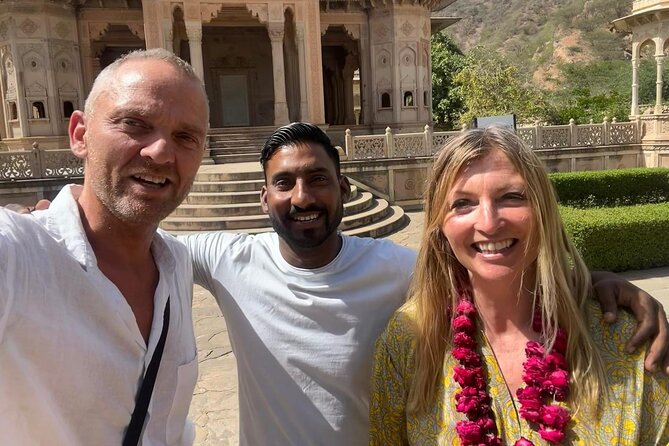
The City Palace complex sits inside Jaipur’s walled city. Maharaja Sawai Jai Singh II, the city’s founder, conceived the complex, which combines Mughal and Rajput design. A section remains associated with the former ruling family, while other areas are open for sightseeing.
This is one of the stops where admission costs matter. The combined entry fee for Jaipur’s popular monuments is listed at $30 per person, separate from the tour price. Confirm what your ticket covers before entering, since the basic experience price does not include monument admission or camera fees.
Nearby, Jantar Mantar provides a very different kind of sightseeing. Built in the early 18th century, it contains around 20 fixed astronomical instruments. These large stone and masonry structures were designed to observe and measure the sky, and they are far more impressive when your guide explains what each instrument was meant to do.
For me, City Palace is about royal spaces and decoration. Jantar Mantar is about practical science on a monumental scale. Seeing both in the same stretch of the walled city helps you understand that Jaipur was planned as more than a royal showpiece.
Isarlat, Albert Hall, and Galta Ji
Isarlat, also called Sargasuli Tower, is a seven-story monument built by Sawai Ishwari Singh in 1749. If it is open during your visit, the tower offers panoramic views across the city. It is a useful stop for seeing Jaipur from above, though access and time may depend on the day’s schedule.
Albert Hall Museum sits outside the old city wall in Ram Niwas Garden, opposite New Gate. It is the oldest museum in Rajasthan and occupies an Indo-Saracenic building. Even if you do not have time for a full museum visit, the exterior gives you another architectural style after the forts and palace courtyards.
Galta Ji, about 10 kilometers from Jaipur, brings a religious setting into the day. The temple complex is built into a break in the surrounding hills, with natural spring water flowing into sacred pools. Pilgrims bathe in the pools, and a higher temple offers broad views of the valley and Jaipur’s fortifications.
The site is linked with Saint Galav, who is said to have lived and meditated there. You should dress and behave respectfully around the temples and bathing areas. The route can also feel more physical than a museum visit because of the uphill walk toward the higher temple.
These three stops are useful additions, but they also show why the tour can feel rushed. If you want extensive time inside Albert Hall or a slow visit at Galta Ji, tell your guide early. A private tour gives you some flexibility, but the day still has a fixed practical limit.
How the private car changes the day
Jaipur sightseeing covers a wide area. Amer sits outside the main city, while Galta Ji, Albert Hall, Royal Gaitor, and the walled city each pull you in different directions. A private air-conditioned car saves you from arranging separate rides between each stop.
Pickup and drop-off are offered from a Jaipur hotel, airport, railway station, or another desired place in Jaipur. Bottled water, fuel, parking, and other listed transport taxes are included. The group size is limited to your own party, with the stated price covering up to three people.
That makes the $13.59 group price look unusually low, but you need to judge the full cost rather than the headline number. Add the stated $30 combined monument fee per person, possible camera charges, and a tip. Even after those extras, the arrangement can offer strong value for two or three people who want a full day with private transport.
The car is also a practical refuge from the heat. You can step out for the monuments, then return to air-conditioning during longer transfers. The tradeoff is that a car-based tour can move quickly from one stop to the next, so you should speak up if you want more time at a particular place.
The guide and the human side of the tour
The strongest personal detail connected with this experience is Vinod, who has driven and guided Jaipur days for the operator. He is described as friendly, helpful, professional, and funny, with a useful interest in advising people about food, shopping, and places to stay.
That matters because Jaipur is easier when someone can help you choose between an extra monument, a market visit, or a meal stop. The tour also allows a visit to Jaipur’s markets after the sightseeing, where you can look for fabrics, sandals, bags, and other goods.
Shopping advice is useful, but keep control of your choices. Ask about prices, compare goods, and buy only what you want. The ability to request a market stop is a benefit, not an obligation.
The operator is Rajasthan India Tour Driver, and the experience is private rather than shared with a larger coach group. If Vinod is not the person assigned to your booking, the description still promises a local guide and driver, but you may want to confirm the guide’s name before the day begins.
Who should book this Jaipur day?
I would choose this tour if you have one full day in Jaipur and want the major landmarks handled in a logical private route. It suits first-time visitors, couples, families of up to three, and anyone who values pickup, air-conditioning, and help with the city’s many separate sights.
It is especially good for people who want more than palace interiors. The flower market, chai stop, Royal Gaitor, Panna Meena Ka Kund, and Galta Ji add local and religious settings to the standard Jaipur highlights.
I would hesitate if you prefer slow museum visits, long meals, or detailed photography at every stop. The schedule covers a lot, and entrance fees can add substantially to the low booking price. Good weather is also required, and poor weather or failure to meet the minimum group size can lead to a different date or a full refund.
Free cancellation is available up to 24 hours before the start time. Changes or cancellations inside that window are not accepted for a refund.
Should you book the Jaipur City Tour?
Book it if you want an efficient private overview with a genuine early market stop and a guide who can make the day personal. The mix of grand places and ordinary local scenes is its main strength.
Before paying, confirm the pickup point, the guide’s name, the exact start time, which monument tickets are covered by the combined fee, and how much time you will have at Amer and City Palace. Choose the early slot if the flower market is important to you.
For a low-cost introduction to Jaipur, this is a strong choice. Just treat the $13.59 price as the transport and guiding base, not the final cost of a full day of monument visits.
FAQ
How long does the Jaipur city tour last?
The tour lasts approximately 9 to 10 hours.
What time should I choose for the flower market?
Choose the 7:00 to 8:00 AM time slot. The flower and vegetable market visit is offered with that early start.
Is the tour private?
Yes. Only your group participates, and the stated price covers a group of up to three people.
Is hotel pickup included?
Yes. Pickup and drop-off are offered from hotels in Jaipur, as well as from Jaipur airport and railway station.
Is transportation air-conditioned?
Yes. The tour uses a private air-conditioned car.
Are monument entrance fees included?
No. Combined entry fees for Jaipur’s popular monuments are listed at $30 per person. Camera fees are also separate.
Is food included?
Tea, coffee, or lassi with a samosa or kachori is included. Bottled water is also provided.
Can the tour include Jaipur markets?
Yes. After sightseeing, you can request a visit to Jaipur markets selling items such as fabrics, sandals, and bags.
Who is the guide?
The experience includes a local tour guide. Vinod is associated with the operator and has guided and driven Jaipur tours, but you should confirm who will lead your booking.
What is the cancellation policy?
You can cancel up to 24 hours before the start time for a full refund. Cancellations or changes made less than 24 hours before the experience are not accepted for a refund.
More bazaar and shopping walks in Jaipur
- Jaipur Bazaar & Food Walking Tour
★ 5.0 · 281 reviews - Full Day Old City Private Tour with Local Market visit in Jaipur
★ 5.0 · 151 reviews - Jaipur: Half-Day Guided Sightseeing Tour with Flower Market
★ 4.9 · 119 reviews - Jaipur Market Tour & Vegetarian Rajasthani Home Cooking Class
★ 5.0 · 113 reviews
Newest Jaipur trips we have written up
- Jaipur Private Tour 2 Days with Car & Guide★ 5.0 · 13 reviews
- Culture walking and food tour with guide in Jaipur.★ 5.0 · 5 reviews
- From Jaipur Private Taj Mahal & Agra Fort Tour with Delhi Drop★ 4.5 · 9 reviews
- Two days Jaipur tour with guide by private car.★ 5.0 · 13 reviews
- Jaipur Full Day Private Tour★ 5.0 · 6 reviews
- Explore Jaipur on a Motorbike – A Unique Experience★ 4.5 · 5 reviews
- Vintage Walk Amer★ 5.0 · 11 reviews
- Walking Tour of Pink City (World Heritage Site) with Local Guide★ 5.0 · 7 reviews
Jaipur Sunrise and Flower Market Tours, compared.
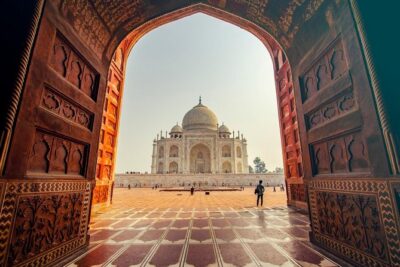
Skip The Line: Sunrise Taj Mahal & Agra Day Tour From Jaipur
Read our review →
Half-Day Guided Sightseeing Tour with Flower Market
Read our review →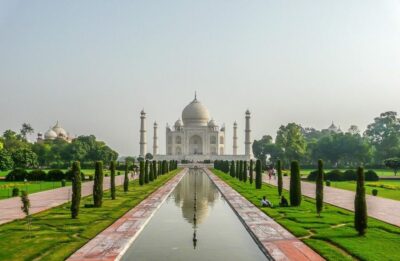
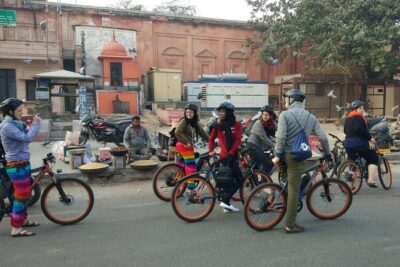

Take in the Beauty of an Early Morning with Fresh Flowers
Read our review →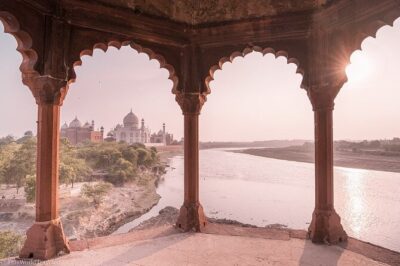
Sunrise Taj Mahal Day Tour from Jaipur with Agra Fort
Read our review →
Taj Mahal at Sunrise and Agra Day Tour from Jaipur
Read our review →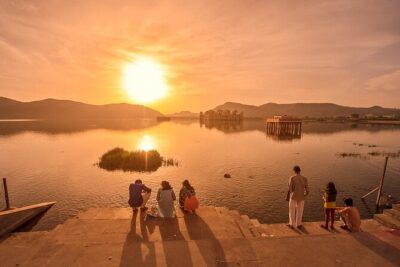
Jaipur Sunrise Tour with Morning Flower Market Walk
Read our review →Browse the lists this tour appears in