
Reviewed · JAIPUR BLOCK PRINTING WORKSHOPS
Hands-on Block Printing Workshop
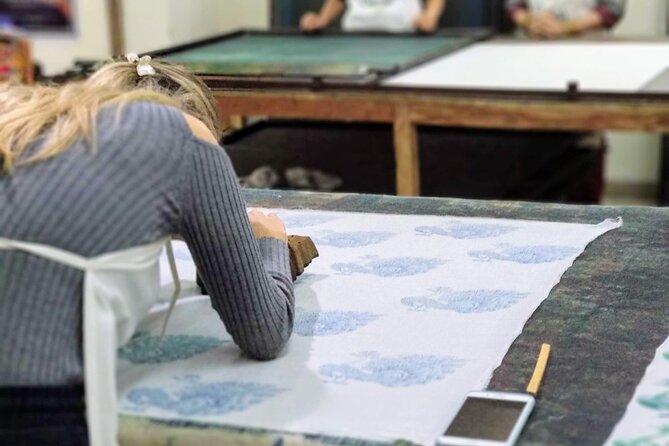
The best part of this Rajasthan workshop is that you do not just watch an artisan work. You pick a design, choose colors, and print your own scarf or sarong by hand. The repeated press of wood against cloth soon becomes calm and absorbing, while each slight variation makes the finished piece yours.
I like the small group size, capped at 10, because you can get help without losing the friendly social feel. I also like the chance to see professional block printing close by, with Creatis located beside a small working factory. Mohit, Vivek, and Aftab are named as helpful instructors, and Aftab is especially good at sorting out small mistakes.
The main consideration is time. Two hours is enough to learn the basics and finish a wearable piece, but not enough to master the craft or explore every block and pattern. The opening explanation is brief, so this suits you best if you want to make something rather than take a long formal art lesson.
Key points at a glance
- Print your own wearable piece: Create a Pico stitch scarf or sarong and take it home.
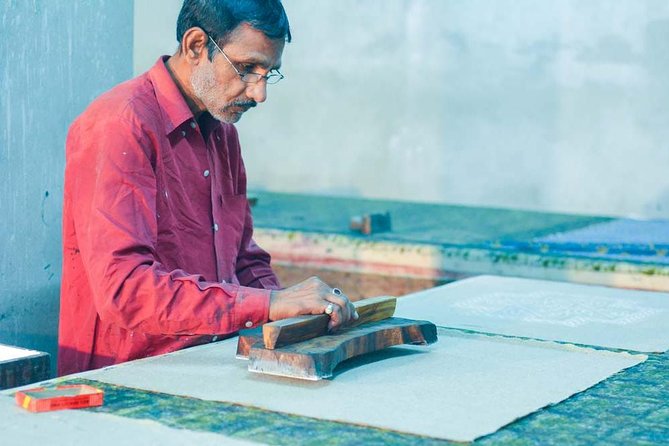
- Work with three block styles: Learn about Gad ground blocks, Rekh outline blocks, and Datte filler blocks.
- Use Sanganeri-inspired designs: Choose from intricate patterns, with some designs drawn from the studio’s signature fabric collection.
- Practice real printing skills: Learn how to line up motifs, build layers, and mix water-based pigments.
- Get close help in a small group: The class is limited to 10 people and is taught in English and Hindi.
- Leave with more respect for the craft: The work looks simple at first, but clean registration and steady color take practice.
What the two-hour class is really about
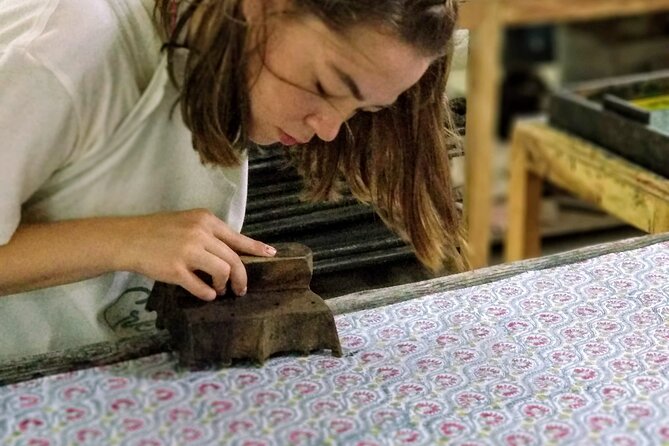
This is a making class, not a sightseeing stop with a quick craft demonstration attached. You spend the bulk of the two hours handling wooden blocks, placing pigment, and building a pattern on cloth.
The class begins with a short introduction to block printing. You learn why the craft matters in Rajasthan, how carved wooden blocks are used, and what materials you will handle. The introduction is deliberately short. That is good if you are eager to start, though anyone seeking a detailed art-history lesson may find it light.
You then look at the basic block families. Gad blocks create the ground or main filled area. Rekh blocks provide outlines. Datte blocks add smaller filler details. Understanding these roles helps explain why a printed pattern can look so intricate even though each block has a fairly clear job.
From there, you practice the basic movement. Pigment is applied to the wooden block, the block is placed on the fabric, and pressure is used to transfer the design. Alignment matters. If you are building an all-over pattern, each impression must meet the next one neatly. A single motif gives you more freedom, while a repeating design asks for a steadier hand.
More block printing workshops in Jaipur:
- Private Jaipur Full-Day Tour with Block Printing
★ 5.0 · 206 reviews - Learn Hand Block Printing Techniques & Print Your Own Fabric
★ 5.0 · 95 reviews - Jaipur: Block Printing Workshop and Hands-on Experience
★ 5.0 · 78 reviews
Choosing a Sanganeri pattern and color plan
You choose from a range of designs inspired by Sanganeri prints. These patterns give you a useful starting point, especially if you are not naturally confident with design. You do not need to arrive with a plan, and you can mix colors and blocks to make the finished cloth personal.
The activity uses water-based pigments. That makes the class approachable for beginners and lets you experiment with combinations without turning the session into a technical textile course. You can try a simple color scheme, or build more movement with layered shades and alternating motifs.
I would recommend choosing a pattern that leaves a little breathing room. A complicated design may look tempting, but you still need time to print it carefully. The workshop is about learning the method and completing a usable item, not filling every inch with the most elaborate pattern available.
The design choices also give the class a nice balance. You are not starting with a blank page and no direction, but you are not handed an identical project either. The result should feel more personal than a standard souvenir bought from a shop.
Printing the scarf or sarong by hand
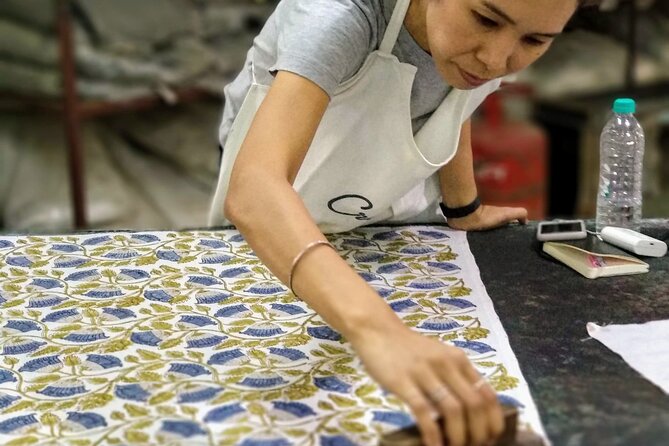
Once you have selected your pattern and colors, the hands-on work begins. You practice with the wooden blocks before committing to the full piece. This is where the class becomes much more than a craft demonstration.
The printing process rewards patience. You need to keep the block steady, use consistent pressure, and pay attention to placement. The act is repetitive, but not dull. The steady rhythm can become meditative, especially once you stop worrying about making every mark perfect.
Do not expect machine-like uniformity. Small shifts and changes in pigment are part of handmade printing. At the same time, the class gives you enough guidance to avoid a chaotic result. The staff can show you how to correct your technique, and one participant specifically received patient help fixing mistakes.
You can create either a scarf or sarong. The included Pico stitch finish gives the cloth a more complete, ready-to-use edge rather than leaving you with an unfinished sample. That is an important part of the value: you leave with something wearable, not just a practice square.
The final piece may not look like work from a professional printer, and that is not the point. The useful souvenir is the combination of the object and the memory of making it. You will also notice details in printed textiles differently after trying the process yourself.
Why the factory setting adds value
Creatis is described as being beside a small factory where you can see professionals at work. That setting gives the workshop useful context. You learn the basic motions at a beginner’s pace, then have a chance to see how much control and speed experienced printers develop.
This comparison matters. A first-time print can seem easy when you watch someone else do it. After a few repetitions, you begin to notice the skill involved in consistent placement, even color, and clean layering. The class can leave you with greater respect for the artisans who produce larger quantities of printed cloth.
The nearby production space should not be confused with a full factory tour. The main activity remains the workshop, and the supplied details do not promise a formal guided visit through every stage of production. Think of it as an added glimpse into working practice, not a separate attraction.
More craft and painting workshops in Jaipur:
- Pink City Cooking Class
★ 5.0 · 452 reviews - Jaipur Market Tour & Vegetarian Rajasthani Home Cooking Class
★ 5.0 · 113 reviews - Cooking Class in Jaipur – Family Experience with Meal & Transport
★ 5.0 · 101 reviews - Interactive Cooking Class with a Local Family in Jaipur
★ 5.0 · 90 reviews
Guidance from Mohit, Vivek, and Aftab
The instruction is offered in English and Hindi. Mohit is described as encouraging and able to explain the process clearly. Vivek is named as part of the expert team, and Aftab is noted for patient support, including helping with mistakes.
That kind of help matters in a craft class. You do not need prior printing experience, and the guidance is designed to make the process simple enough for a beginner. At the same time, the instructors do not remove the challenge. You still have to place the block and manage the color yourself.
The class seems particularly friendly for solo visitors. You can work independently, but the group setting gives you company during a quiet, repetitive activity. With no more than 10 people, the instructor can offer practical help without turning the session into a private lesson.
If you prefer to work alone, the social side is worth considering. This is not a silent studio session. You will share the space and process with other participants, which can be a plus if you want a relaxed cultural activity, but less appealing if you want total privacy.
Is $24 good value?
At $24 per person, this is a reasonable price for a two-hour class that includes materials, instruction, and a finished scarf or sarong. You are not paying only for a demonstration. Wooden blocks, pigments, fabric, and the Pico stitch finish are included.
The real value depends on what you want from a Rajasthan activity. If you want a low-cost souvenir with a personal story, the price works well. If you are mainly seeking a long cultural lecture or a detailed lesson in wood carving, you may want something more specialized.
The included materials also remove the usual worry about buying supplies. You do not need to find fabric, pigment, or blocks before arriving. Bring comfortable clothing suitable for hands-on work, since printing is an active process and you may be handling pigment.
At two hours, the workshop also fits neatly into a busy Rajasthan schedule. It is long enough to feel worthwhile, but short enough to pair with other plans. Starting times depend on availability, so check the schedule before booking.
Who will enjoy this workshop most?
I would recommend this class to anyone who likes making things and wants a souvenir with a clear connection to Rajasthan. It works well for solo visitors, couples, friends, and families with an interest in creative activities.
It is also a good choice if you have already seen textiles in shops and want to understand how the patterns are made. After pressing the blocks yourself, printed cloth stops looking like a flat decorative product. You begin to notice the layers, the outlines, and the work needed to repeat a design across fabric.
The activity may suit you less if you dislike repetition or want constant movement. Block printing involves doing a similar action many times. That is part of its appeal, but it requires patience.
It is also not the right choice if your main goal is to carve your own wooden block. The class focuses on using prepared blocks, selecting patterns, layering designs, and printing on fabric. The provided information does not indicate that participants carve blocks during the session.
Practical details before you book
The class lasts two hours and accepts a maximum of 10 participants. Smaller groups matter here because you may need help with pigment, placement, or correcting a print before continuing.
Instruction is available in English and Hindi. All necessary materials are supplied, including wooden blocks, pigments, and fabric. Your main preparation is simple: wear comfortable clothing suitable for a hands-on workshop.
You can cancel up to 24 hours before the activity for a full refund. You can also reserve now and pay later, which is useful if your Rajasthan schedule is still changing. Starting times are based on availability, so confirm a time that fits your plans.
The activity has a rating of 5 from 12 reviews, and the repeated praise centers on the same practical strengths: clear guidance, friendly support, a pleasant studio, and the satisfaction of taking home a finished piece. Those points match what matters most in a short craft class.
Should you book the block printing workshop?
Book it if you want to spend two calm, creative hours making a useful souvenir instead of simply shopping for one. The small group, included materials, named instructors, and finished scarf or sarong make $24 a fair deal.
You should also book it if you are curious about textile production but do not have time for a longer course. The class gives you a basic understanding of blocks, pigments, and layering, then lets you see how much skill professional printers bring to the same work.
Skip it if you want a detailed study of Rajasthan’s textile traditions, wood carving, or advanced printing. This is an introductory class with a clear goal: make a wearable piece and enjoy the process. For that purpose, it offers a friendly, hands-on introduction with a souvenir you created yourself.
FAQ
Where does the block printing workshop take place?
The workshop takes place in Rajasthan, India, at Creatis.
How long does the workshop last?
The workshop lasts two hours.
How much does it cost?
The price is $24 per person.
What will I make during the class?
You will make a Pico stitch scarf or sarong using wooden blocks, fabric, and water-based pigments.
Are materials included?
Yes. Wooden blocks, pigments, and fabrics are provided.
What types of block designs will I learn about?
The workshop introduces Gad ground blocks, Rekh outline blocks, and Datte filler blocks.
Which languages are spoken by the instructors?
Instruction is available in English and Hindi.
How many people can join the group?
The group is limited to 10 participants.
Can I cancel or pay later?
You can cancel up to 24 hours in advance for a full refund. You can also reserve your place and pay later.
Newest Jaipur trips we have written up
- Jaipur Private Tour 2 Days with Car & Guide★ 5.0 · 13 reviews
- Culture walking and food tour with guide in Jaipur.★ 5.0 · 5 reviews
- From Jaipur Private Taj Mahal & Agra Fort Tour with Delhi Drop★ 4.5 · 9 reviews
- Two days Jaipur tour with guide by private car.★ 5.0 · 13 reviews
- Jaipur Full Day Private Tour★ 5.0 · 6 reviews
- Explore Jaipur on a Motorbike – A Unique Experience★ 4.5 · 5 reviews
- Vintage Walk Amer★ 5.0 · 11 reviews
- Walking Tour of Pink City (World Heritage Site) with Local Guide★ 5.0 · 7 reviews
Jaipur Block Printing Workshops, compared.
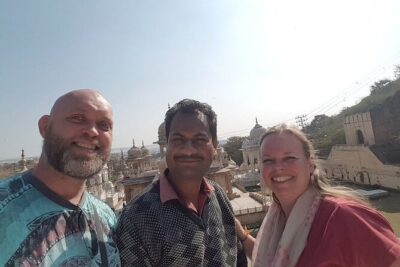
Private Jaipur Full-Day Tour with Block Printing
Read our review →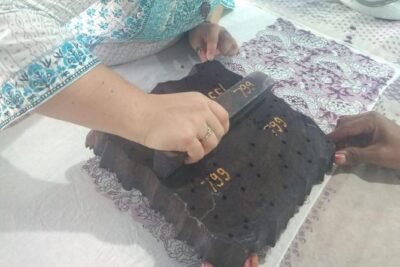
Learn Hand Block Printing Techniques & Print Your Own Fabric
Read our review →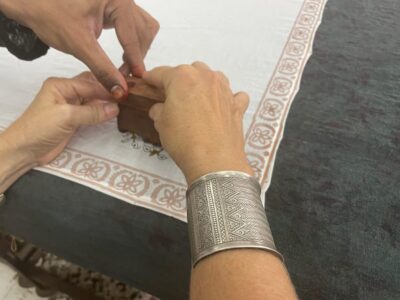
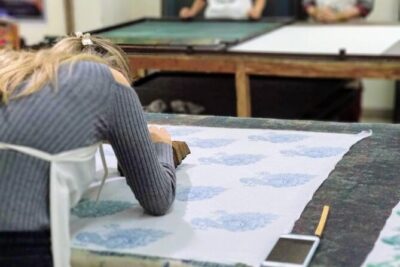
Block Printing & Village Stories: Discover Bagru’s Craft Legacy
Read our review →
Block Printing Workshop in Jaipur! (including lunch)
Read our review →
Jaipur Half-Day Shopping Tour with Hand Block Printing Class
Read our review →
Browse the lists this tour appears in