
Reviewed · DELHI AND GOLDEN TRIANGLE TOURS FROM JAIPUR
From Delhi: Private 5 Days Golden Triangle Guided Tour
The Taj Mahal is the star, but this five-day private Golden Triangle tour gives you the whole royal arc: Mughal Agra, planned Jaipur, and the layered streets of Old and New Delhi. You get door-to-door transport, separate guides at the major sites, four hotel nights, and enough structure to see a great deal without arranging every ride yourself.
I like the private car and flexible pickup, especially for first-time visitors arriving at Delhi Airport or staying in Gurgaon, Noida, or central Delhi. I also like the range of guides and the personal service reported by guests who worked with drivers and guides such as Rahul, Azhar, Kabeer, Aamir, and Danish. The main catch is pace: long road journeys, early starts, separate entrance fees of about $80, and a full final day in Delhi can leave you tired.
Five things to know before booking
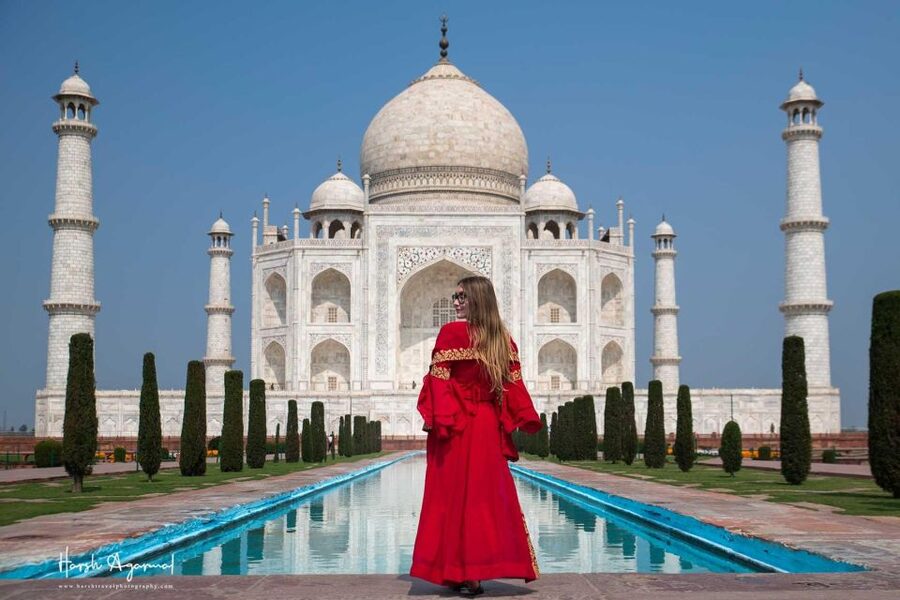
- The Taj Mahal comes early: You visit it on the first day, along with Agra Fort and either Mehtab Bagh or the Baby Taj, depending on the confirmed plan.
- Your road transport is private: One or two people ride in a four-seat sedan, three or four use a six-seat SUV, and groups of five to ten use a minivan.
- The price is not all-inclusive: The advertised $104 covers the main tour services, but monument tickets cost about $80 more per person, with meals and personal spending extra.
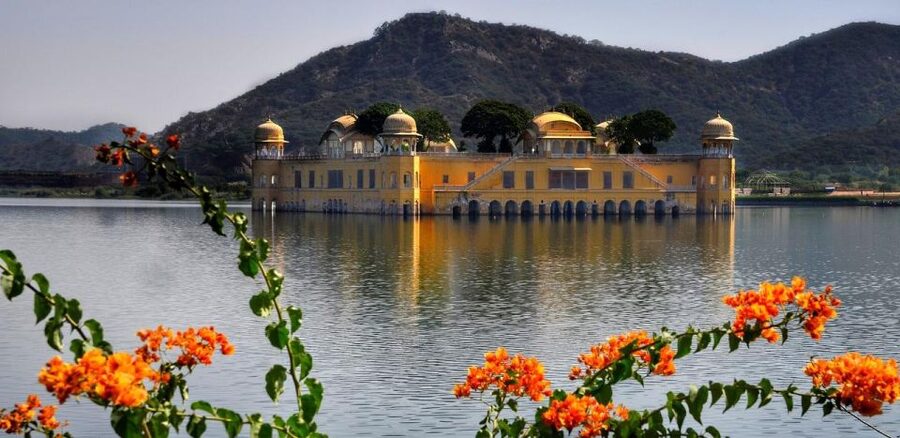
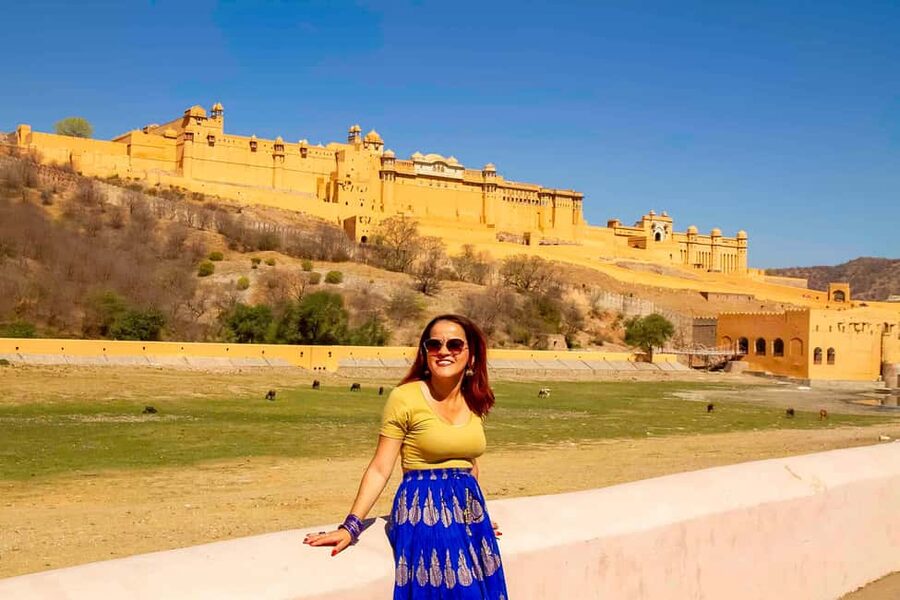
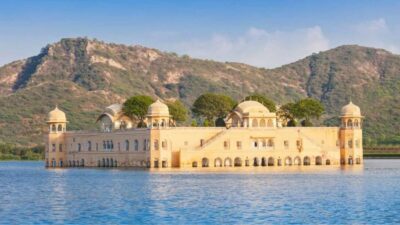
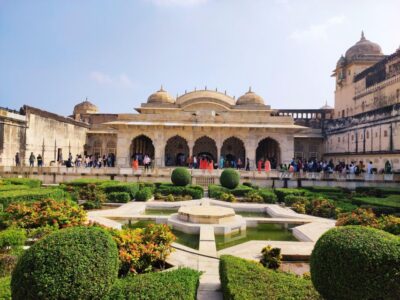
- Jaipur gets two sightseeing days: You see the City Palace, Jantar Mantar, Hawa Mahal, Amber Fort, Jal Mahal, and the Monkey Temple.
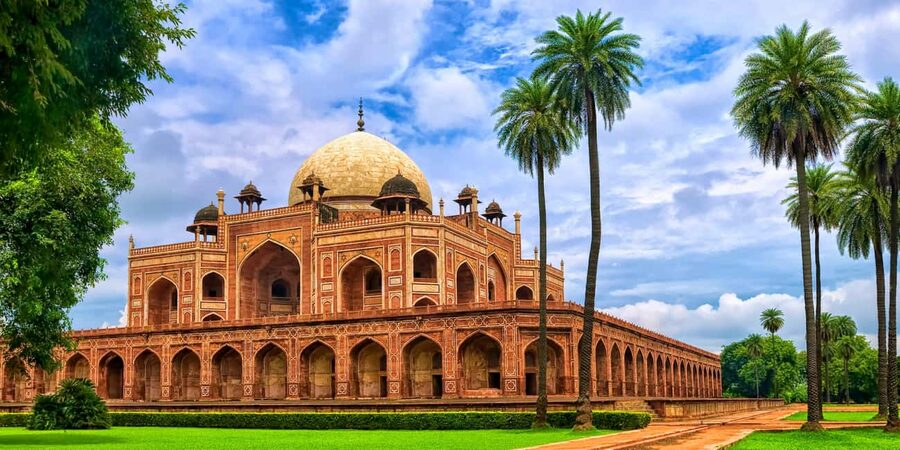
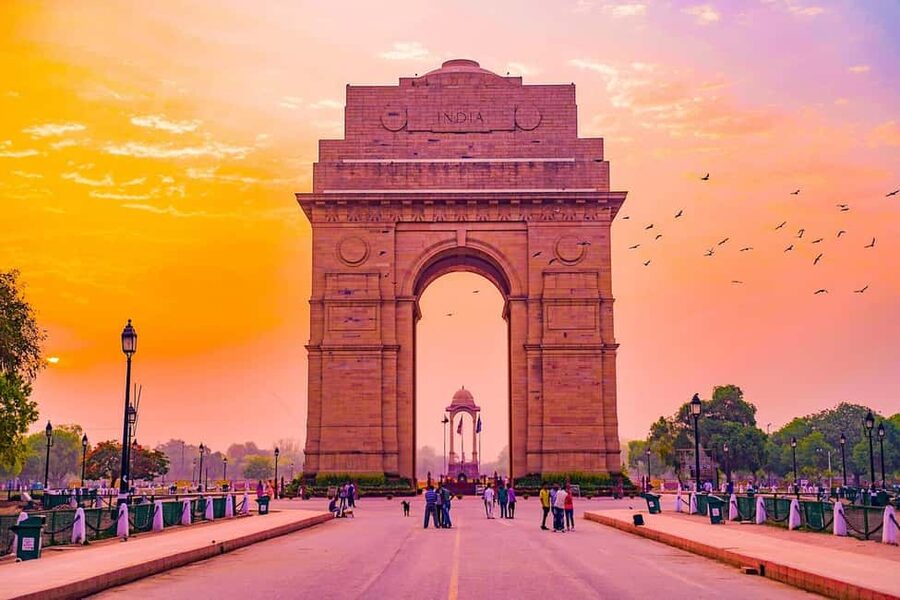
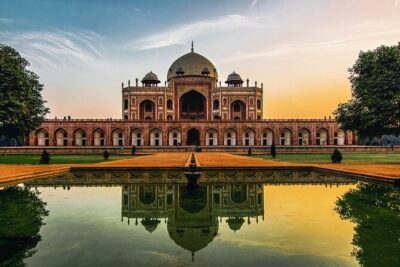
- Delhi is packed into one day: Old Delhi comes first, followed by Humayun’s Tomb, India Gate, Parliament House, Qutub Minar, and Lotus Temple.
- Guide quality matters: Named guides including Kabeer, Aamir, Farhan, Soni, and Danish received especially warm praise, though language assignments can change at short notice.
A private route through India’s Golden Triangle
The Golden Triangle links Delhi, Agra, and Jaipur in a route that works well for a first visit to northern India. You see Mughal monuments in Agra, Rajput palaces and observatories in Jaipur, then the old and modern faces of Delhi.
This is not a slow holiday. You will cover major sights in five days, with two substantial road transfers: Delhi to Agra, roughly three hours, and Jaipur back to Delhi after sightseeing. That private vehicle makes a real difference. You can be collected from a hotel, airport, or railway station, and you are not waiting for a large group to load up.
I would choose this format if you want a guided introduction and do not want to negotiate India’s roads, hotel transfers, or monument entrances alone. If you prefer long lunches, unplanned wandering, and several quiet hours at each palace, the schedule may feel too tight.
The operator offers guides in English, French, Russian, German, Spanish, Hindi, Japanese, and Italian. One important caution: a German guide was unavailable shortly before one booking, and replacement language coverage was uneven on later days. If language is central to your trip, confirm the arrangement again before departure.
More Delhi and Golden Triangle trips from Jaipur:
- Golden Triangle & Ranthambore: 4-Day Private Tour from Delhi
★ 5.0 · 355 reviews - From Delhi: Private 3-Day Golden Triangle Tour with Hotels
★ 4.9 · 339 reviews - From Delhi: Private 5-Day Golden Triangle Tour
★ 4.9 · 208 reviews
Day 1: Delhi to Agra and the Taj Mahal
Pickup is available across Delhi, New Delhi, Aerocity, Gurgaon, Noida, Greater Noida, Ghaziabad, and Faridabad, as well as Delhi Airport’s Terminal 3 arrivals area at Gate 4. From there, you drive to Agra on the highway.
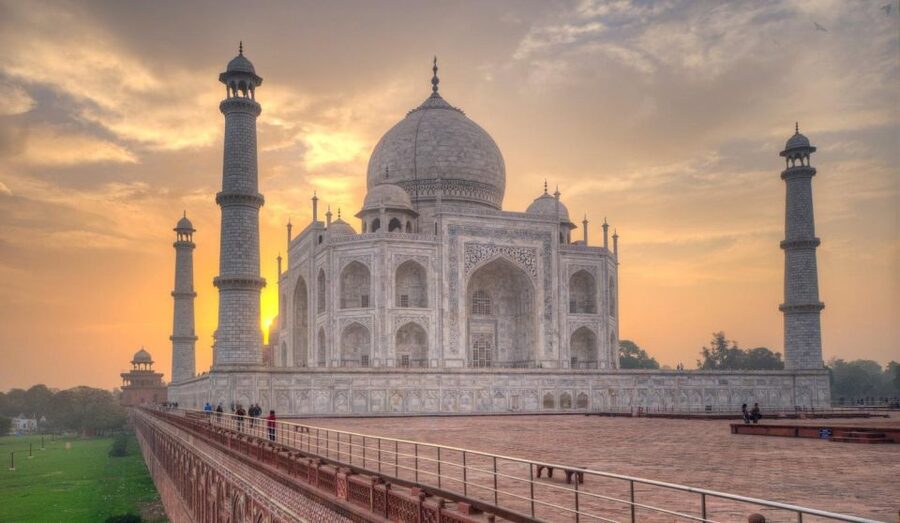
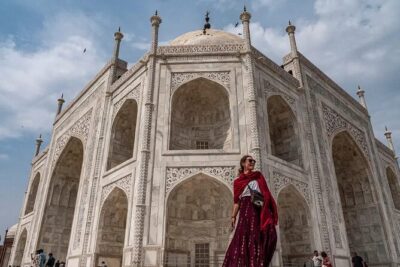
After hotel check-in, the major event arrives: the Taj Mahal. Your guide leads you through the monument, and a battery bus carries you between the parking area and the Taj Mahal grounds. That short ride matters because it saves you from walking the full approach in the heat or traffic.
The Taj is best understood as both a mausoleum and a carefully balanced work of architecture. Give yourself time to notice the changing marble color, the formal gardens, and the fine stone work rather than treating it as a quick photo stop. The planned visit lasts about two hours, which is enough for a guided introduction and photographs, but not for a leisurely study of every detail.
Next comes Agra Fort, a massive red sandstone complex connected with the Mughal court. It offers a useful counterpoint to the Taj Mahal. Here, you see imperial defenses, audience spaces, and palace quarters rather than a single monument designed around grief and memory. The stop is listed at about an hour.
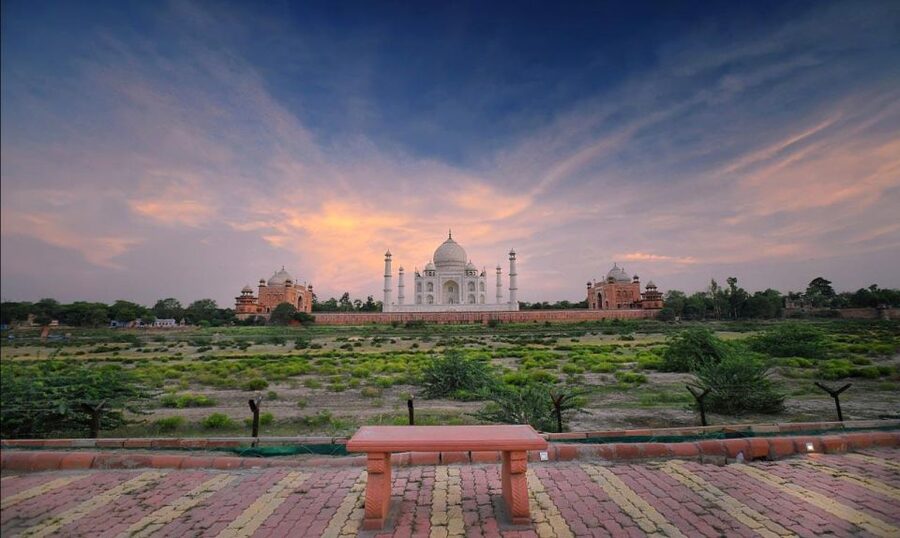
The final Agra stop needs a little clarification. The detailed day plan names Mehtab Bagh, a garden across the Yamuna with a rare sunset view of the Taj Mahal, while the stop list names the Baby Taj, also called Itimad-ud-Daulah’s Tomb. These are different places. Ask the operator which one is included on your date, particularly if a sunset view is important to you.
You spend the night in Agra. Four hotel nights and daily breakfast are included, with four-star or five-star options available when selected. Rooms are normally twin-sharing. Three people share a room by default unless two rooms are requested for an added cash charge.
Day 2: Fatehpur Sikri on the road to Jaipur
After breakfast, you leave Agra for Jaipur, stopping at Fatehpur Sikri. The former Mughal capital is built largely in red sandstone, and its compact central area makes it easier to understand than a huge city spread over many neighborhoods.
The Buland Darwaza is the visual centerpiece, while the marble tomb of Salim Chishti offers a striking change of material and mood. You also see the Diwan-e-Khas, with its carved central pillar, Jodha Bai’s Palace, and the five-story Panch Mahal.
This stop breaks up the transfer, but it does not remove the travel time. You should expect another road-heavy day, so wear light clothing and keep water close. Mineral water is supplied during the journeys, and comfortable shoes are worth packing for uneven stone surfaces.
After reaching Jaipur, you check into the hotel and have the evening at leisure. That free evening is useful because the next two days contain several major sites. Do not expect the schedule to feel empty, though. Road transfers in this region can make a planned three-hour journey feel longer if traffic is heavy.
Day 3: Jaipur’s palace, observatory, and famous facade
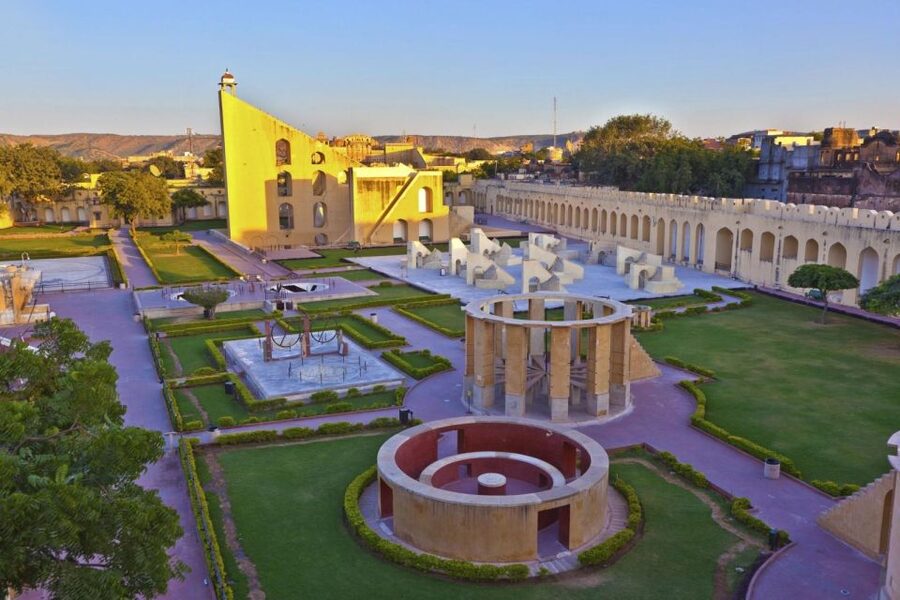
Jaipur gives the tour a different character. The city was planned around broad sectors and royal institutions, and its monuments feel more organized than the older quarters of Delhi.
The City Palace is the main morning or afternoon stop. It brings together courtyards, palace buildings, and royal collections, giving you a look at Jaipur’s courtly world. Your guide is most useful here, since the palace is easier to appreciate when you understand how its spaces were used.
Jantar Mantar follows. This outdoor astronomical complex contains monumental instruments built for observing the sky and calculating time. It is not just a quick collection of unusual shapes. Ask your guide to explain how the instruments worked, because the scale becomes meaningful once you know what each structure was designed to measure.
Hawa Mahal, the Wind Palace, is listed as a 30-minute stop. Its honeycomb facade is one of Jaipur’s most recognizable sights, with rows of small windows associated with royal women observing street life. The stop is brief, so expect photographs and an explanation rather than a long interior visit.
The day ends back at your Jaipur hotel. Guide assignments can vary. Soni, Inder, and Danish were singled out for clear explanations, good photographs, and help with local restaurant suggestions, while other bookings used different guides. You should see these names as examples of the service style available, not a promise that one particular person will lead your tour.
More multi-day Rajasthan trips starting in Jaipur:
- 2-Day Private Jaipur City Sightseeing Tour with Three Forts
★ 5.0 · 145 reviews - Ranthambore Tiger Safari from Jaipur – 1 or 2 Days
★ 5.0 · 88 reviews - Private 6-Day Golden Triangle Tour: Delhi, Agra, Jaipur by Car
★ 5.0 · 60 reviews - 2 Day Jaipur Tour for First-Time Visitors
★ 5.0 · 51 reviews
Day 4: Amber Fort, Jal Mahal, and the return to Delhi

After breakfast and checkout, you continue Jaipur sightseeing before driving to Delhi. Amber Fort is the day’s major stop, and its position above the city gives it a powerful sense of place.
Inside, you move through courtyards, palace rooms, and defensive spaces shaped by Rajput and Mughal influences. The listed guided visit is about 45 minutes, which is enough for the main story but short for anyone who wants to examine every corner. If you enjoy architecture, use your free moments to look at the contrast between the fort’s heavier outer defenses and its more decorative interior spaces.
Jal Mahal is generally a roadside or scenic stop rather than a full palace visit. You will see the water palace from the shore and have time for photographs. The Monkey Temple is also included in the day’s description, although the detailed stop list gives more prominence to Amber Fort and Jal Mahal. Confirm the exact order and available time with your guide.
After lunch and the remaining sightseeing, you drive to Delhi and check into a hotel for the fourth night. This is the tour’s most demanding day because it combines a morning in Jaipur with the long return drive. I would avoid scheduling an important late-night flight after this leg.
Day 5: Old Delhi’s streets and New Delhi’s monuments
The final day begins with Old Delhi. Jama Masjid is included as a pass-by or exterior stop in the detailed schedule, while Chandni Chowk receives a guided visit. A rickshaw ride is included, giving you a short, practical way to experience the tight lanes and busy market district without trying to cover it all on foot.
The Red Fort follows, with about an hour allocated for sightseeing. Together, the Red Fort and Jama Masjid help explain the scale of the Mughal capital, while Chandni Chowk brings you closer to present-day street life. This is one of the most contrasting parts of the tour, and I like that the schedule includes a local ride rather than only grand monuments.
New Delhi then shifts the mood. Humayun’s Tomb gives you a major Mughal garden tomb and an architectural link to the Taj Mahal. India Gate and Parliament House are scenic or pass-by stops, so you should expect exterior views and photographs rather than extended interior tours.
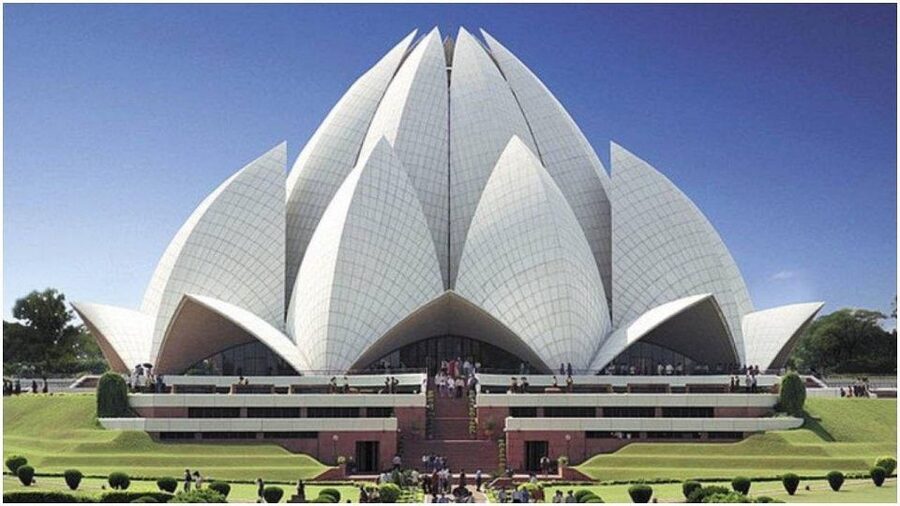
Qutub Minar is listed for about 45 minutes. The soaring tower and surrounding ruins add another layer to Delhi’s story, though the detailed description calls it a scenic stop rather than a fully guided entry. Lotus Temple is the final named monument, with a guided visit of around 30 minutes.
The schedule has one important closure rule. The Red Fort and Lotus Temple are closed on Mondays, so Gurudwara Bangla Sahib is substituted on that day. The Taj Mahal is closed every Friday, which can affect the entire order of the tour. Check the starting date carefully before paying.
In the evening, you are transferred to Delhi Airport, New Delhi Railway Station, your hotel, or another requested location in the city. That final transfer is included, which is handy if you are continuing onward immediately.
What the $104 price really covers
At $104 per person, the headline price is attractive for a private five-day route. It includes four hotel nights, private air-conditioned transport, guides at the sites, breakfast, fuel, taxes, hotel taxes, airport and hotel transfers, mineral water, and the Taj Mahal battery bus.
The important extra is monument admission. Budget about $80 per person for the listed sites. Add lunch, dinner, tips, shopping, and personal costs, and the real total is much higher than the advertised figure. Even so, the package can be good value if you would otherwise need to arrange three intercity transfers, four hotel nights, several local guides, and airport transport separately.
The hotel category changes the calculation. Four-star and five-star options are available, but you must select the desired option. Three people also need to watch the room policy: triple-sharing is standard, while two rooms cost an additional $200 for April through September or $380 for October through March, paid in cash.
Christmas and New Year travel from December 24 through January 4 brings mandatory gala dinner charges. Ask for the current amount before booking if your dates fall in that period.
Comfort, safety, and the human side
The private format is the strongest practical feature. Drivers such as Rahul, Amar, Ramesh, and Veesu were praised for safe, comfortable, punctual driving and for handling busy roads professionally. That matters more here than a luxury label on the vehicle. You spend many hours in the car, so vehicle size, air conditioning, and a calm driver affect the whole trip.
The guides also shape the experience. Kabeer in Delhi was praised for clear explanations, while Aamir, Farhan, Soni, Danish, Azhar, and Shamim were noted for history, local culture, helpful photographs, and restaurant suggestions. One solo traveler felt well supported throughout the route, but you should still keep normal city-travel habits: watch your belongings, carry cash and a card, and stay aware in crowded areas.
Pack comfortable shoes, sunscreen, sunglasses, a hat, comfortable clothes, your passport or ID, and some cash. Alcohol and drugs are not allowed. The tour is wheelchair accessible, but the long days, road transfers, and uneven monument surfaces mean you should discuss your specific mobility needs in advance. It is not recommended for pregnant women.
Cancellation is flexible up to 24 hours before departure for a full refund, and you can reserve now and pay later. Those terms reduce the risk of committing before your flights and dates are firm.
Who should book this five-day tour?
I would recommend it to a first-time visitor who wants the major sights with a private driver and does not want to manage India’s transport system alone. It also suits solo visitors and small groups who value personal attention, hotel pickup, and multilingual guide choices.
Families and older visitors may appreciate the private vehicle, included water, battery bus at the Taj Mahal, and direct hotel transfers. The pace is still demanding, so anyone needing a slow schedule should consider spending extra nights in Agra, Jaipur, or Delhi.
I would be cautious if you want guaranteed German-language guiding every day, a fixed named guide, or a truly all-inclusive price. Confirm the language, hotel category, Agra sunset stop, monument closures, and entrance-fee budget before booking.
FAQ
Is the tour private?
Yes. You travel as a private group with a private air-conditioned vehicle, private guides at the sites, and pickup and drop-off at hotels, airports, railway stations, or requested locations in the covered Delhi area.
What does the $104 price include?
It includes the private tour, four hotel nights, daily hotel breakfast, private transport, site guides, the Old Delhi rickshaw ride, the Taj Mahal battery bus, fuel, taxes, hotel taxes, mineral water, and personal assistance.
Are monument entrance fees included?
No. Entry fees are separate and cost approximately $80 per person for the monuments named in the route. Lunch, dinner, and personal expenses are also separate.
Which cities does the tour visit?
The route covers Delhi, Agra, Fatehpur Sikri, and Jaipur. The main sights include the Taj Mahal, Agra Fort, City Palace, Amber Fort, Hawa Mahal, Jantar Mantar, Red Fort, Humayun’s Tomb, Qutub Minar, and Lotus Temple.
What languages are available for the guides?
Guides are available in English, French, Russian, German, Spanish, Hindi, Japanese, and Italian. Guide availability can vary, so confirm your requested language before departure.
Is the Taj Mahal open every day?
No. The Taj Mahal is closed every Friday. The Red Fort and Lotus Temple are closed on Mondays, with Gurudwara Bangla Sahib substituted on that day.
What type of vehicle is used?
Groups of one or two use a four-seat sedan. Groups of three or four use a six-seat SUV. Groups of five to ten use a ten-seat minivan.
How are hotel rooms arranged?
Rooms are generally twin-sharing. A booking of three people receives triple-sharing by default. Two rooms for three guests require an additional cash charge of $200 from April through September or $380 from October through March.
Should you book it?
Book this tour if you want an efficient first look at India’s Golden Triangle, reliable private transport, and guides who can put the monuments into context. The strongest value comes from the door-to-door service and the amount covered in five days, not from the $104 headline price alone.
Before booking, confirm the entrance-fee budget, hotel level, guide language, Monday or Friday closures, and whether your Agra visit includes Mehtab Bagh or the Baby Taj. With those details clear, this is a practical, well-supported route for seeing the essential Delhi, Agra, and Jaipur sights without arranging the complicated parts yourself.
Newest Jaipur trips we have written up
- Jaipur Private Tour 2 Days with Car & Guide★ 5.0 · 13 reviews
- Culture walking and food tour with guide in Jaipur.★ 5.0 · 5 reviews
- From Jaipur Private Taj Mahal & Agra Fort Tour with Delhi Drop★ 4.5 · 9 reviews
- Two days Jaipur tour with guide by private car.★ 5.0 · 13 reviews
- Jaipur Full Day Private Tour★ 5.0 · 6 reviews
- Explore Jaipur on a Motorbike – A Unique Experience★ 4.5 · 5 reviews
- Vintage Walk Amer★ 5.0 · 11 reviews
- Walking Tour of Pink City (World Heritage Site) with Local Guide★ 5.0 · 7 reviews
Delhi and Golden Triangle Tours from Jaipur, compared.
Golden Triangle & Ranthambore: 4-Day Private Tour from Delhi
Read our review →
Private 6-Day Golden Triangle Tour: Delhi, Agra, Jaipur by Car
Read our review →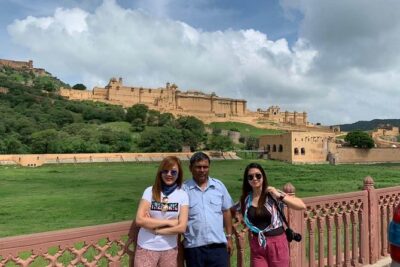
Browse the lists this tour appears in