
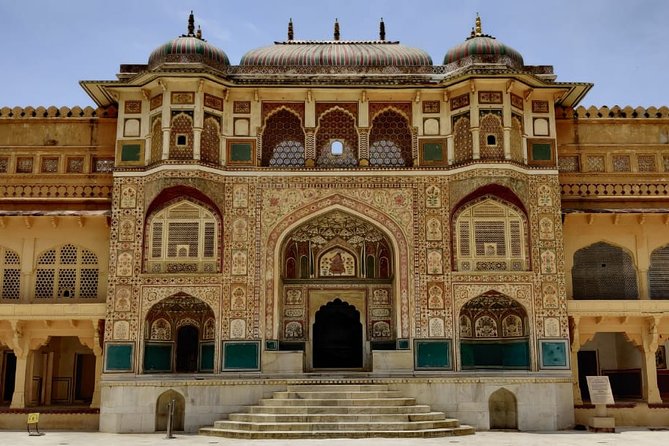
Reviewed · MULTI-DAY RAJASTHAN TOURS FROM JAIPUR
2-Day Private Jaipur City Sightseeing Tour with Three Forts
Jaipur’s best sights are spread between the old city, the hills, and the road to Amber. This two-day private tour gives you time for three forts, royal palaces, a stepwell, and the famous pink-city landmarks without cramming every stop into one long day. You ride in a private air-conditioned vehicle, with hotel pickup, bottled water, fuel, and parking included.
I like the breathing room and the personal service. Guides such as Sanjeev, Deepak, Bhanu, and Kapil have been praised for clear English, local knowledge, photography help, and flexible plans. The main drawback is cost: the $99 per-person price does not include monument tickets, listed at about $30 per person, and gratuity is extra. Some people may also find that several stops could fit into one day by using taxis.
Key points to know
- Three forts in two days: Amber, Jaigarh, and Nahargarh each show a different side of Jaipur’s royal past.
- Private car and guide: Your group travels alone, with hotel pickup and drop-off rather than a fixed public group.
- Useful local help: Guides can explain history, suggest photo spots, help with timing, and accommodate reasonable requests.
- A good pace for hot weather: Splitting the sights over two days reduces the strain of Jaipur’s heat and long walks.
- Tickets cost extra: About $30 per person in monument entrance fees is not included, and gratuity is separate.
- Strong personal service: Clean cars, careful drivers, cold bottled water, and on-time pickups appear repeatedly in the service experience.
Why two days works better for Jaipur’s spread-out sights
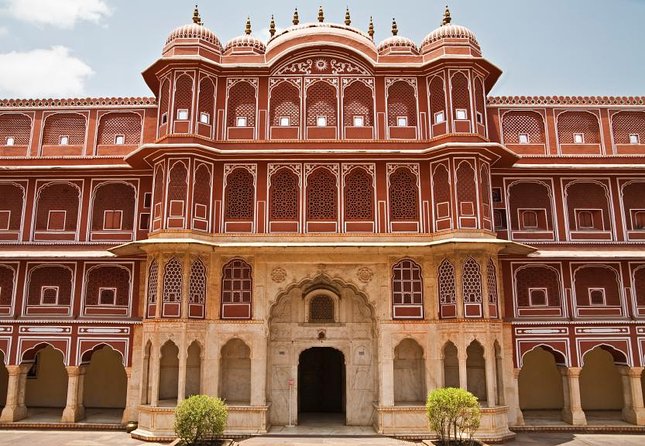
Jaipur looks compact on a map, but the sightseeing is divided between the old city and the hills north of town. Amber Fort, Jaigarh Fort, and Nahargarh Fort involve drives, slopes, stairs, and plenty of time on foot. City Palace and Jantar Mantar sit close together, while Hawa Mahal and Jal Mahal are mainly quick photo stops unless you arrange more time.
The two-day format lets you slow down at the places that deserve it. You can spend about two hours at Amber Fort and City Palace, then handle the hill forts on a separate day. This is especially useful in warm weather, when a packed schedule can turn a cultural outing into a test of endurance.
You may still find the overall plan full. The tour covers a lot of ground, and some sites involve uneven surfaces and steps. But the private format gives your guide room to adjust the order, shorten a stop, or spend longer where your group is most interested.
More multi-day Rajasthan trips starting in Jaipur:
- Golden Triangle & Ranthambore: 4-Day Private Tour from Delhi
★ 5.0 · 355 reviews - From Delhi: Private 3-Day Golden Triangle Tour with Hotels
★ 4.9 · 339 reviews - From Delhi: Private 5-Day Golden Triangle Tour
★ 4.9 · 208 reviews
Day one: Amber Fort, the stepwell, and Jaipur’s royal center
Amber Fort, where the palace becomes the main event
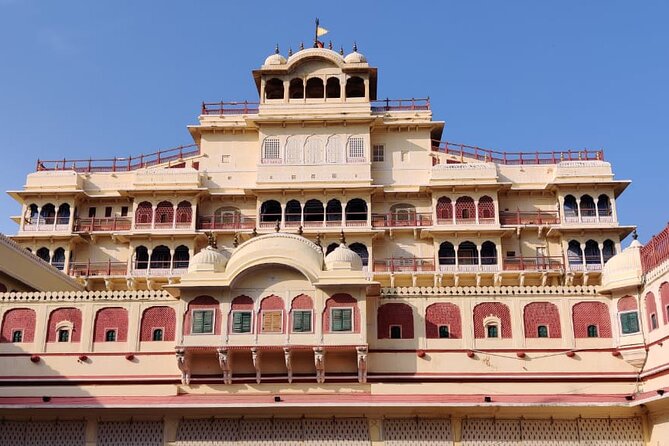
The day begins with hotel pickup and a drive to Amer Fort, also called Amber Palace. The complex was built by Hindu Rajput rulers in the 16th century and shows a mix of Rajput and Mughal design. Its courtyards, gateways, halls, and hillside position make it the largest and most involved stop of the tour’s first day.
Plan on about two hours here. That sounds generous, but it is useful time. Amber is not simply a place to walk in, snap a photo, and leave. You want time to follow the guide through the royal spaces, look at the decorative work, and take in the views from the fort.
The title says fort, but much of what you see feels like a palace complex. That distinction matters. Jaigarh later gives you the military side of Jaipur, while Amber shows how the ruling family lived, received visitors, and displayed power.
Admission is not included. Wear comfortable shoes and expect walking, stairs, and exposed areas. If heat affects you, this is one reason the two-day plan is preferable to squeezing the same sights into one outing.
Panna Meena ka Kund, Jaipur’s geometric stepwell
A short drive from Amber brings you to Panna Meena ka Kund, a 16th-century stepwell. You get about 20 minutes here, with no separate admission fee listed.
The stepwell is built around a striking pattern of stairs descending toward the water. It was linked to religious gatherings and daily community use, so it offers a glimpse of practical local design rather than royal display. The repeated lines and sharp angles also make it one of the easier places on the route for memorable photographs.
Twenty minutes is enough for a look and pictures, but not a long visit. Treat it as a thoughtful pause between major monuments, not as a full museum stop. The stairs may also be difficult for anyone with limited mobility, so tell your guide early if your group needs a slower approach.
More Jaipur sightseeing tours:
- Jaipur: Private Full Day Sightseeing Tour By Car with Guide
★ 4.9 · 1,839 reviews - 3-Hour Morning Bike Tour of Jaipur
★ 5.0 · 1,253 reviews - Jaipur: Private Sightseeing Day Tour with Guide by Car
★ 4.8 · 773 reviews - Jaipur: Full-Day City Tour with Car, Guide & Skip-the-Line
★ 4.8 · 512 reviews
Jal Mahal, a palace made for a roadside pause
On the way back toward Jaipur, the car stops at Jal Mahal, the Water Palace. Built in 1799 in the middle of Man Sagar Lake, it is best viewed from the shore. The usual visit lasts about 15 minutes and is mainly for photographs.
This is a good example of why having a private car helps. Jal Mahal is a quick stop along the route, so you do not need to arrange a separate ride or lose time finding a viewpoint. It also provides a change of mood after the stone corridors and stairs of Amber.
Do not expect a long interior visit. The appeal here is the palace floating across the water, with the hills behind it. Your guide can help you choose a photo position, but the stop itself is brief.
City Palace, the heart of Jaipur’s royal story
Back in the Pink City, you visit City Palace for roughly two hours. The complex remains associated with Jaipur’s royal family, while a large part has been converted into a museum.
This is one of the tour’s most important stops. City Palace connects Jaipur’s past to the living city around it. You move from courtyards and ceremonial spaces to museum rooms containing objects tied to royal life. A local guide can make the place easier to understand by explaining the rulers, the relationship between Rajput kingdoms and the Mughals, and the later role of the British.
The personal format is useful here. Guides named Sanjeev and Deepak have been praised for giving detailed explanations without overwhelming people, then allowing quiet time to look around. You can also ask for more or less history depending on your interest.
Admission is extra. The palace can be absorbing, but two hours may feel short if you want to examine every room. If you prefer museums and architecture, tell your guide that City Palace is a priority before the day begins.
Jantar Mantar, where astronomy becomes architecture
Jantar Mantar is next to City Palace, so you walk between the two sites. The observatory was built in the early 18th century by Maharaja Sawai Jai Singh II and contains large instruments used to study time, the movement of stars, and celestial positions.
The itinerary lists this as a very brief stop, likely reflecting the short walk and compact transfer rather than a meaningful visit length. You should confirm how much time is available if the instruments interest you. A quick explanation gives you the basic idea, but the site rewards a slower look.
Jantar Mantar is easier to appreciate with a guide because the structures can appear abstract at first. Once you understand what each instrument was designed to measure, the huge masonry forms become practical scientific tools rather than unusual courtyard sculptures.
Day two: Hawa Mahal and Jaipur’s three-fort defense system
Hawa Mahal, a fast morning photo stop
The second morning begins at Hawa Mahal, Jaipur’s Palace of Wind. Built by Maharaja Sawai Pratap Singh, its many small windows allowed royal women to observe street life while remaining screened from public view.
The planned stop lasts about 15 minutes and is mainly for photographs. That is enough to capture the famous honeycomb facade from outside, but not enough for a careful interior visit. If seeing the inside matters to you, ask in advance whether the schedule can be adjusted.
An early start helps with photographs and keeps this brief stop from taking time away from the forts. Guides such as Deepak and Sanjeev have also been praised for taking family pictures, which is handy when you want everyone in the frame.
Jaigarh Fort, the military side of Jaipur
Jaigarh Fort sits on Cheel ka Teela, the Hill of Eagles, above the Amber area. Allow about two hours. This is the tour’s clearest look at defense, weapons, fort walls, and the practical side of royal power.
The fort includes gateways, courtyards, temples, palaces, and court spaces. It is also associated with the Jaivana cannon, often described as the largest cannon on wheels. The views across the hills and toward Amber are a major part of the visit.
Jaigarh is less polished than a palace museum, and that is part of its appeal. You get a stronger sense of walls, height, storage, and military planning. The large site may involve substantial walking, so carry water, use the bottles supplied in the car, and wear shoes suited to uneven ground.
Entrance is not included. The private vehicle is particularly helpful here because the hill forts are not practical to connect by walking. Your driver’s experience also matters on Jaipur’s crowded roads and narrow approaches.
Nahargarh Fort, the best city view of the route
Nahargarh Fort takes about an hour and once formed part of Jaipur’s defensive ring with Amber and Jaigarh. It later served as a retreat and summer residence for the royal family.
The main reason to visit is the view over Jaipur. From this height, the city’s planned form becomes easier to understand, and the fort feels connected to the urban center below. The stop is shorter than Jaigarh, so expect a focused visit rather than a full exploration of every building.
You may find the drive and walking more demanding in hot weather. Still, this is one of the stops that makes the two-day plan worthwhile. It gives you a different perspective from the palace interiors and roadside photo stops.
Royal Gaitor, quiet marble cenotaphs below the hills
Royal Gaitor, also called Gatore Ki Chhatriyan, is the cremation site of Jaipur’s maharajas. The visit lasts about an hour and centers on ornate royal cenotaphs that combine Islamic and Rajput design elements.
This stop changes the rhythm of the day. After the larger forts and city views, the carved marble structures feel quieter and more intimate. Look closely at the canopies, columns, domes, and stone detail rather than rushing through for a single photograph.
For many people, Royal Gaitor is one of the most rewarding parts of the route because it offers architectural detail without the scale of Amber or Jaigarh. Admission is extra, and the site may include steps or uneven walking surfaces.
The guide and driver make the difference
This is a private activity, so only your group participates. That changes the experience in practical ways. You can ask questions without holding up a bus, request a different pace, and make reasonable changes to the day.
The service has used guides including Sanjeev, Deepak, Bhanu Pratap Singh, Kapil, and others. You should not assume a particular person is guaranteed unless the booking confirms it, but the guide role is central to the value. Sanjeev is described as a Jaipur native with strong local connections, while Deepak is praised for history, photography, and shopping advice. Bhanu is noted for clear English and local insight, and Kapil for humor and warmth.
Drivers such as Prakash, Kaan Singh, Krishna, Vinod, and Thapa are associated with clean cars, punctual pickups, and careful driving. That matters in Jaipur, where traffic can be confusing and tiring. The car is air-conditioned, bottled water is supplied, and fuel and parking are covered.
Shopping may come up during the day. Some people use the flexibility to visit a bazaar or local textile shop, and the guides can suggest places. You should be clear about whether you want shopping included. The private setup allows it, but it should not replace a monument you most want to see.
Price, tickets, and what the value really is
The listed price is $99 per person. For a private two-day service with a car, driver, guide, hotel transfers, water, fuel, and parking, that can be fair value, especially for a small group that wants comfort and control.
The important catch is the extra cost. Monument admission is not included and is listed at about $30 per person. Gratuity is also separate. That means you should budget beyond the headline price before comparing it with a taxi-based plan.
One useful comparison is time. A taxi can take you from monument to monument for less, but it will not provide the same historical explanation, photo help, schedule planning, or support at the sites. On the other hand, if you already know Jaipur well and mainly need transport, this tour may feel expensive.
The best value comes when you use the guide. Ask questions, request context, and allow the schedule to match your interests. If you simply want a driver to wait outside, you may not get the full benefit.
Who should book this Jaipur tour?
I would choose this tour for a first visit, a family group, or anyone who wants Jaipur explained rather than simply photographed. It also suits people who prefer a private car to haggling with taxis and want hotel pickup each morning.
The two-day plan is helpful for families with children, older adults, and anyone who finds long hot sightseeing days tiring. A guide can adjust the pace and help with photographs. One detailed service experience also describes support for a traveler with difficulty on stairs, though you should discuss mobility needs before booking because the forts and stepwell naturally involve uneven surfaces.
Independent visitors may prefer to split the sites themselves. The route can be done more cheaply by using app-based taxis, but you give up the local guide and the ease of having the whole day organized.
Cancellation is free if you cancel at least 24 hours before the start time. Changes or cancellations inside that window are not accepted for a refund.
Should you book the two-day Jaipur tour?
Book it if you want three forts, royal palaces, and local explanation without rushing between them. The private car, hotel transfers, flexible timing, and strong guide service make the two-day format especially sensible in hot weather.
Think twice if you have only a passing interest in history, dislike organized sightseeing, or are focused mainly on keeping costs down. In that case, taxis and a self-planned route may be enough.
For most first-time visitors with two days in Jaipur, I like the balance. You see the famous sights, make room for Royal Gaitor and Panna Meena ka Kund, and get a better chance to understand why Jaipur is more than a collection of photogenic facades.
FAQ
How long is the Jaipur tour?
The experience lasts approximately two days. The first day covers Amber Fort, Panna Meena ka Kund, Jal Mahal, City Palace, and Jantar Mantar. The second day includes Hawa Mahal, Jaigarh Fort, Nahargarh Fort, and Royal Gaitor.
Is hotel pickup included?
Yes. Pickup and drop-off from your hotel are included in a private air-conditioned vehicle.
Is this a private tour?
Yes. Only your group participates in the activity, and the private format allows more flexibility with timing and reasonable requests.
Are monument entrance fees included?
No. Monument entrance fees are not included. The listed additional cost is about $30 per person.
Is bottled water provided?
Yes. Bottled water is included, along with fuel charges and parking fees.
Is gratuity included?
No. Gratuity is not included in the tour price.
Can most people participate?
Most people can participate, but the forts and stepwell may involve stairs, uneven ground, and walking. If your group has mobility concerns, discuss them with the provider before the tour.
Newest Jaipur trips we have written up
- Jaipur Private Tour 2 Days with Car & Guide★ 5.0 · 13 reviews
- Culture walking and food tour with guide in Jaipur.★ 5.0 · 5 reviews
- From Jaipur Private Taj Mahal & Agra Fort Tour with Delhi Drop★ 4.5 · 9 reviews
- Two days Jaipur tour with guide by private car.★ 5.0 · 13 reviews
- Jaipur Full Day Private Tour★ 5.0 · 6 reviews
- Explore Jaipur on a Motorbike – A Unique Experience★ 4.5 · 5 reviews
- Vintage Walk Amer★ 5.0 · 11 reviews
- Walking Tour of Pink City (World Heritage Site) with Local Guide★ 5.0 · 7 reviews
Multi-Day Rajasthan Tours from Jaipur, compared.
Golden Triangle & Ranthambore: 4-Day Private Tour from Delhi
Read our review →

Ranthambore Tiger Safari from Jaipur – 1 or 2 Days
Read our review →
Private 6-Day Golden Triangle Tour: Delhi, Agra, Jaipur by Car
Read our review →
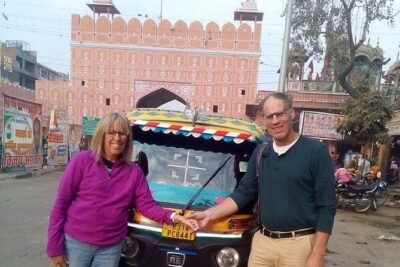
Pink City Private 2 day TukTuk Tour with Free Pickup.
Read our review →
Browse the lists this tour appears in