
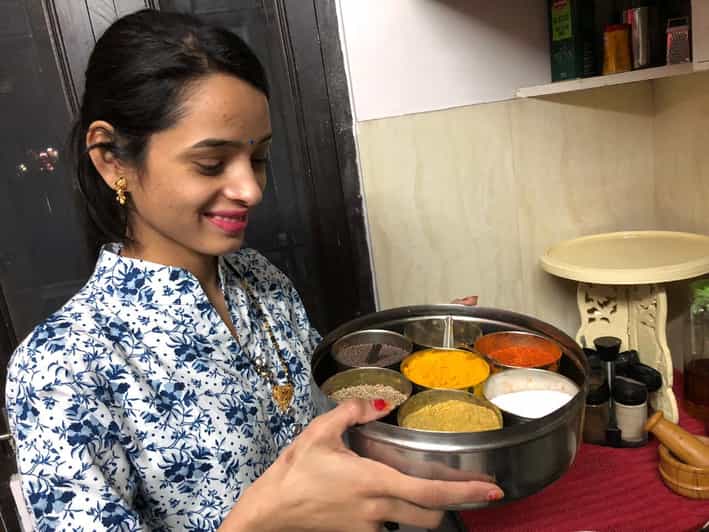
Reviewed · JAIPUR COOKING CLASSES
Jaipur: Interactive Cooking Class with a Local Family
The best part of this Jaipur experience happens in a real family kitchen, not a cooking school set up for tourists. Monty and Harshita welcome you into their home, explain the spices and methods behind North Indian food, then help you make chapati, vegetable curry, and other dishes before sitting down to eat together.
I like the hands-on format, especially the chance to make round chapatis yourself rather than simply watching a demonstration. I also like the family setting, where conversation, old recipes, and everyday cooking tips matter as much as the food. The main consideration is access: you must climb stairs to the first floor, and the activity is not suitable for wheelchair users.
- Cook in a Jaipur family home: Meet Monty, Harshita, and often their daughter Gina in a relaxed household setting.
- Make chapati by hand: Learn the dough, rolling, and cooking process instead of only observing.
- Explore North Indian flavors: Work with spices, herbs, seasonal vegetables, chutney, rice dishes, and sweets.
- Eat what you prepare: The class ends with a shared meal, an Indian drink, and dessert.
- Choose morning or later timing: The 9:00 AM session is used for the Indian breakfast menu.
- Arrange optional pickup: A driver can meet you at your hotel or another Jaipur location.
A Home Kitchen Instead of a Demonstration Counter
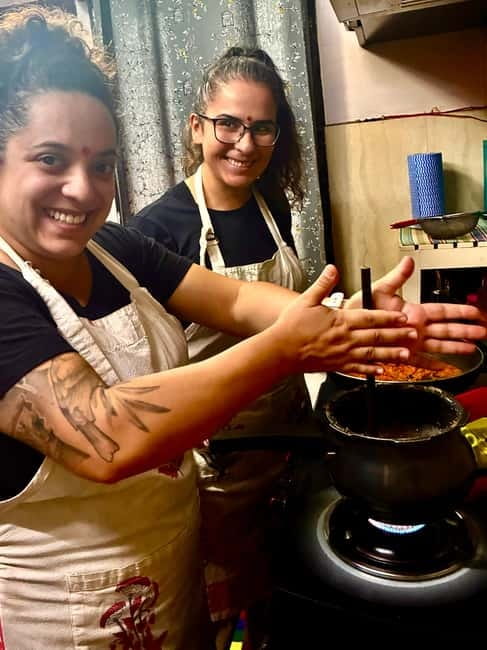
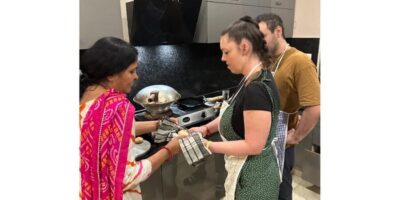
This is a small-scale food experience built around participation. You are welcomed with a drink, introduced to the ingredients, and shown how the dishes will come together. Then you move from watching to doing.
Monty and Harshita appear to divide the teaching in a useful way. Monty brings a more methodical approach to cooking, while Harshita shares the family-style techniques learned through years of home cooking in Jaipur. That combination gives you both the reasoning behind a dish and the practical shortcuts that make it work in an ordinary kitchen.
You are not simply handed a plate at the end. You help prepare it. The exact menu can change, but the focus is North Indian home food such as chapati, paratha, seasonal vegetable curry, rice, side dishes, chutney, sweets, and drinks.
That changing menu is a benefit if you want food that feels connected to the household and the season. It is less useful if you are booking because you must learn one particular dish. The published examples include aloo paratha, coriander chutney, masala chai, rice pudding, poha, and palak paneer, but you should not assume every dish will appear at every session.
The Welcome Drink and Spice Lesson
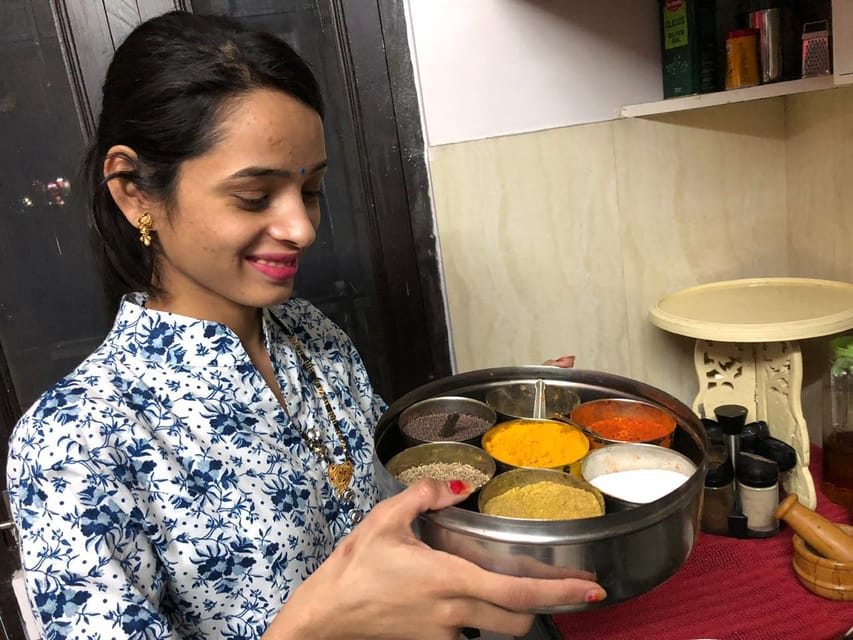
Your visit begins with a welcome drink and a short introduction to the ingredients. This opening matters because Indian cooking can look more complicated than it is. Once you understand what the spices do and when they go into the pan, the recipes become much easier to repeat at home.
Expect attention to the basics: spices, herbs, fresh ingredients, cooking order, and the small changes that affect flavor. You can ask questions as you go, which makes this a good choice if you are new to Indian food or already cook regularly and want to sharpen your technique.
I especially like this part because it puts the meal in context. You are not just memorizing a list of ingredients. You are learning why a family uses a particular blend, how a vegetable curry is built, and how home cooking differs from restaurant food.
The class is taught in English. That makes it possible to ask about unfamiliar spices, cooking terms, and family methods without relying on guesswork.
More cooking classes in Jaipur:
- Pink City Cooking Class
★ 5.0 · 452 reviews - Jaipur Market Tour & Vegetarian Rajasthani Home Cooking Class
★ 5.0 · 113 reviews - Cooking Class in Jaipur – Family Experience with Meal & Transport
★ 5.0 · 101 reviews
Making Chapati Without Chasing Perfection
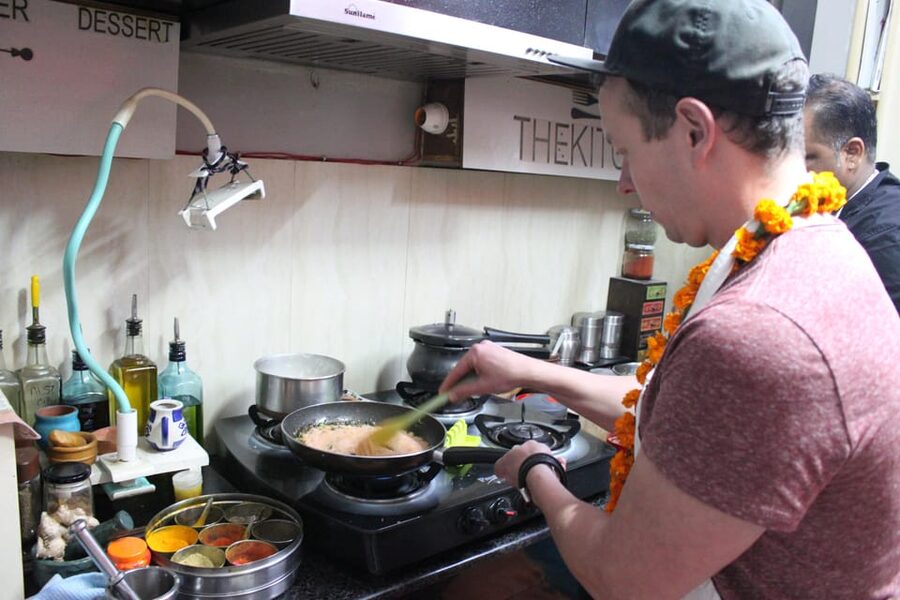
The chapati lesson is likely to be the most entertaining part of the class. You work with the dough, roll it out, and try to make a round bread that cooks properly. The goal is not artistic perfection. The useful lesson is learning how the dough should feel and how to handle it with confidence.
For many people, chapati looks simple until they try it. The bread needs the right texture, and the rolling takes a little practice. A family cook can show you the small hand movements that a written recipe cannot explain well.
You may also prepare paratha, depending on the menu. Paratha gives you another way to work with flatbread and helps explain the difference between everyday chapati and a more substantial bread served at many North Indian meals.
This is a good class for children or beginners if they can manage the stairs and take part safely, though the information provided does not specify a minimum age. If you have limited mobility, ask before booking because the home is on the first floor and wheelchair access is not available.
Building a Vegetable Curry From Fresh Ingredients
The vegetable curry lesson brings together the spice introduction and the cooking itself. You prepare a curry with seasonal vegetables, using the timing of the spices and the cooking process to build flavor.
The exact vegetable selection is not fixed, which is normal for home cooking. That means your dish may reflect what is fresh or what the family has planned for the day. You may also make a side dish, chutney, rice, or another regional recipe.
This is where the class offers value beyond a restaurant meal. You leave with an understanding of how to repeat the dish, not just a memory of its taste. The e-recipes for the dishes prepared during your session are included, so you can try them again after returning home.
I would take notes on substitutions while you cook. If a spice or vegetable is hard to find where you live, ask Monty and Harshita what to use instead. Their cooking tips are likely to be more useful than a fixed printed recipe because they explain how to adjust the dish.
Dessert, Drinks, and the Shared Table
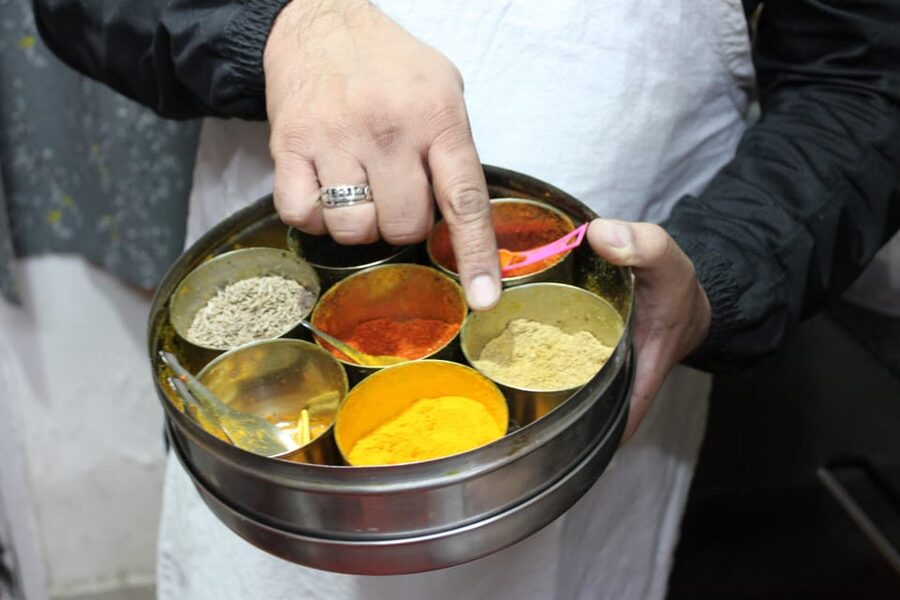
After cooking, you sit down to eat the food you helped prepare. The meal includes an Indian dessert, and the session also includes a traditional drink. Depending on the menu, the sweet may be rice pudding or another Indian dessert.
The shared meal is more than a reward for finishing the class. It gives you time to talk with the family and ask questions that tend to come up only after you have cooked together. You can discuss regional food, family recipes, Jaipur life, and the difference between home food and the dishes served in restaurants.
Monty, Harshita, and their daughter Gina are part of the warm, informal character of the visit. Gina has sometimes entertained visitors with an impromptu Bollywood dance, an especially memorable touch for families and anyone who enjoys a little spontaneity. It is not something to book as a performance, but it helps explain why the setting feels personal rather than formal.
The meal may be one of the strongest parts of the experience for you if conversation matters as much as technique. If you prefer a quiet class with strict timing and little social interaction, this may feel too informal.
Same city, a completely different sort of morning:
- Jaipur: Private Full Day Sightseeing Tour By Car with Guide
★ 4.9 · 1,839 reviews - 3-Hour Morning Bike Tour of Jaipur
★ 5.0 · 1,253 reviews - Jaipur: Private Sightseeing Day Tour with Guide by Car
★ 4.8 · 773 reviews - Jaipur: Full-Day City Tour with Car, Guide & Skip-the-Line
★ 4.8 · 512 reviews
Why the Family Setting Matters
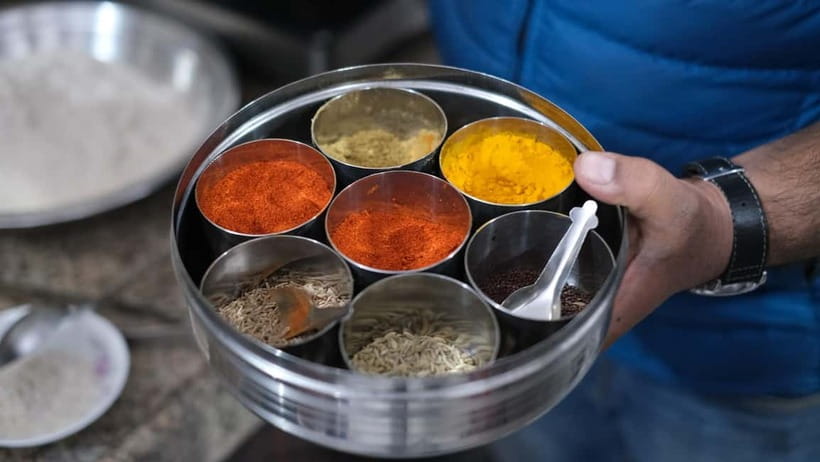
Jaipur has plenty of restaurants, food stalls, and organized food walks. A meal in a family home offers something different: a look at how recipes are explained, adapted, and passed along in ordinary domestic life.
Harshita’s family cooking methods and Monty’s more structured approach complement each other. You may hear different ways to handle the same ingredient, and that is useful. Indian food is not one fixed system. Household methods vary by region, family, season, and personal taste.
The hosts also make room for conversation. You are encouraged to ask questions rather than silently follow instructions. That makes the class a good fit for curious cooks who want to understand the food, not just copy it.
I would also treat the visit as a cultural exchange rather than a staged show. You are entering someone’s home, so courtesy matters. Arrive ready to participate, listen, and accept that the pace may be more relaxed than a professional cooking school.
Timing, Transport, and Group Size
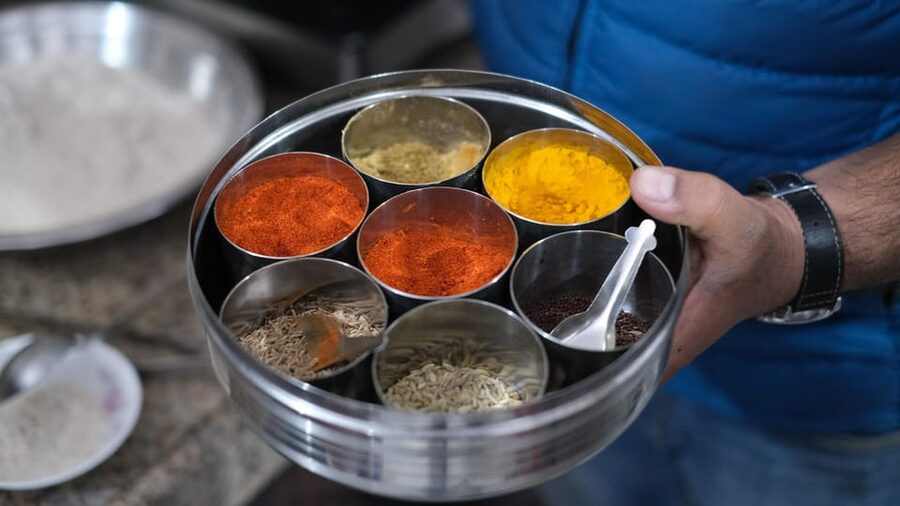
The class lasts about 2.5 to 3 hours. That gives you enough time for an introduction, cooking, questions, and a shared meal without taking up an entire day in Jaipur.
The 9:00 AM time slot is used for the Indian breakfast menu. This is the best choice if you want breakfast dishes and a morning activity. Other starting times are available depending on the schedule, so check the specific time when booking.
Transportation is not automatically included, but optional pickup is available within Jaipur. A driver can meet you in your hotel lobby or another chosen location. I would strongly consider arranging pickup if you are staying in the Old City or are unfamiliar with Jaipur’s traffic and addresses. One practical detail matters here: the driver is expected to have your name and meet you at the agreed location, so confirm the pickup point clearly.
Small groups and private sessions are available. A private class costs more only if the booking terms require it, so check the current rate. The small-group format should suit solo visitors and couples who want conversation, while a private session makes sense for families, friends, or anyone with dietary needs.
Is $24 Good Value?
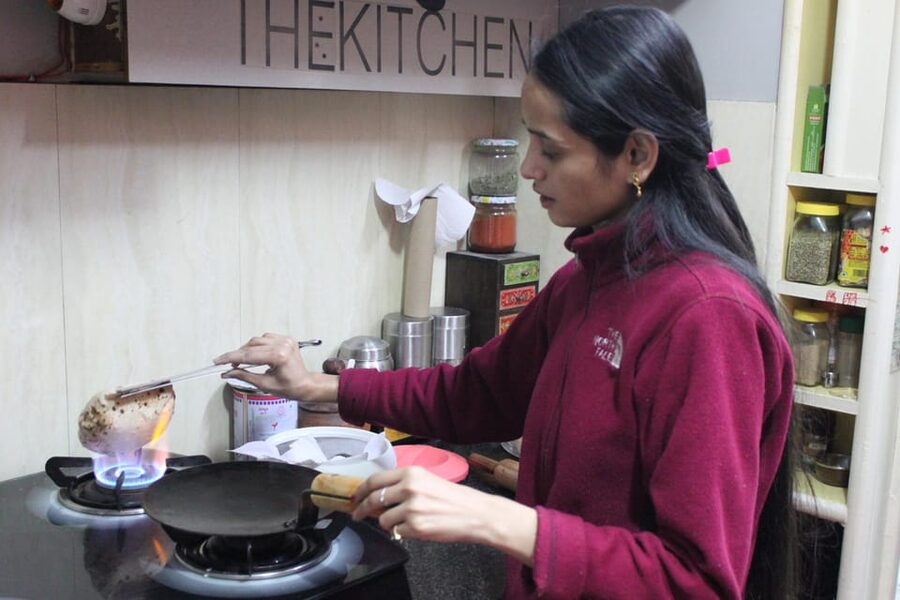
At $24 per person, this is strong value if you want more than a meal. You receive a cooking lesson, ingredient instruction, food and drink, time with a local family, and e-recipes for the dishes prepared.
A restaurant meal in Jaipur may cost less, especially if you eat simply. But a restaurant will not usually give you hands-on instruction, access to family techniques, or recipes you can use later. The price makes more sense when you count the class and the meal together.
The value is also helped by the length. Two and a half to three hours gives the activity enough time to feel unhurried. You are not rushing through one demonstration before being sent away.
The cost does not include transport or personal cooking equipment. You do not need to bring cooking tools, but you should be aware that pickup, if selected, may add to the total. Ask about the final price and menu before confirming if either detail matters to you.
Food Allergies and Practical Limits
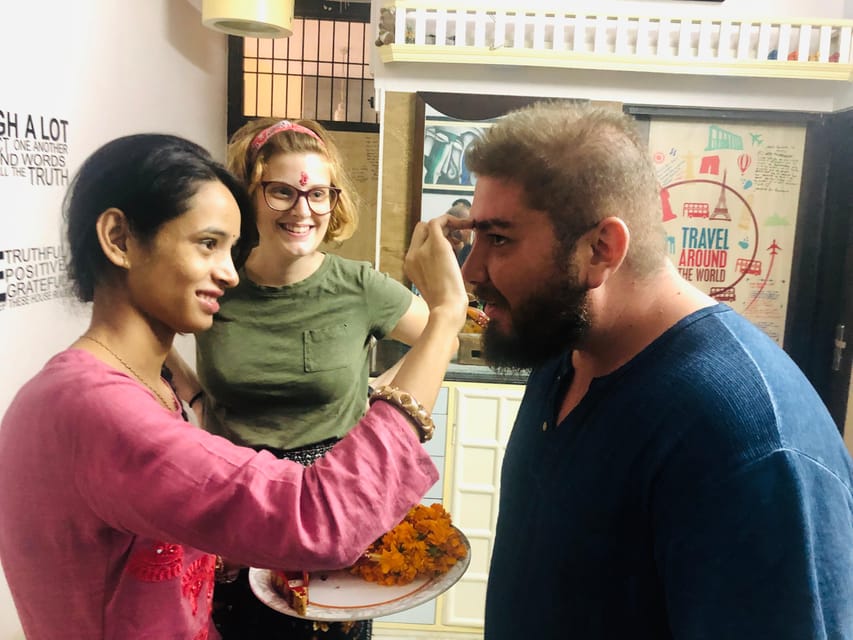
Tell the hosts about food allergies or intolerances before the session. Indian food can include dairy, wheat, nuts, legumes, and a wide range of spices, so early notice is important.
The available information does not promise that every dietary request can be handled. If you have a serious allergy, ask specific questions about ingredients and cross-contact before booking rather than relying on a general request.
Pets are not allowed on the property. Smoking rules need clarification because the information says smoking is not allowed, while another note says smoking is allowed on the balcony. If this matters to you, confirm the current house rule in advance.
You must use stairs to reach the first-floor home, identified as F-2. The activity is not suitable for wheelchair users. Anyone with knee, balance, or mobility concerns should ask about the stairs before paying.
Free cancellation is available up to 24 hours before the activity, and you can reserve now and pay later. These options are useful if your Jaipur schedule is still shifting.
Who Should Book This Jaipur Cooking Class?
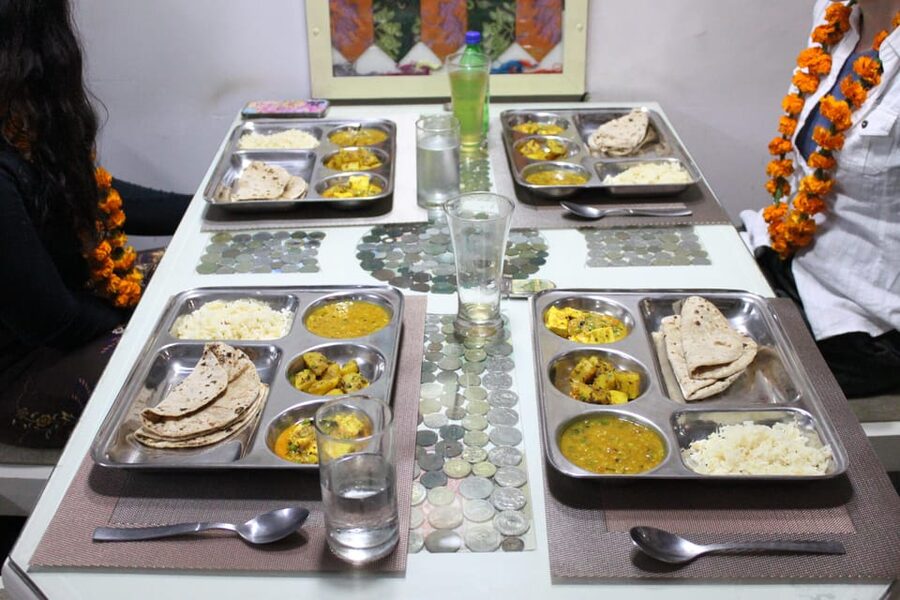
I would choose this for you if you want to meet local people, learn practical recipes, and eat a meal in a relaxed home setting. It suits solo visitors, couples, families, and small groups, especially if you enjoy asking questions and trying things with your hands.
It is also a good match for experienced home cooks. You may already know how to make curry, but the family methods, spice timing, flatbread technique, and regional variations can still give you new ideas.
You may want another activity if you need a fully accessible venue, a fixed menu, a formal chef-led lesson, or a class centered on advanced restaurant techniques. The friendly home setting is the point, but it also means the experience is informal and menu details can change.
Should You Book It?
Yes, if your idea of a good Jaipur food experience includes cooking, conversation, and a shared meal rather than simply watching a chef work. The combination of chapati practice, seasonal curry, family recipes, and e-recipes gives you something useful to take home.
I would arrange pickup if you are staying in the Old City, tell the hosts about allergies early, and choose the 9:00 AM slot if breakfast dishes appeal to you. For most visitors who can manage the stairs and enjoy a personal setting, this is a well-priced way to add a human side to Jaipur’s food culture.
FAQ
How long does the Jaipur cooking class last?
The experience lasts about 2.5 to 3 hours, including the introduction, hands-on cooking, and shared meal.
How much does the cooking class cost?
The listed price is $24 per person.
Who teaches the cooking class?
The class is hosted by Monty and Harshita in their Jaipur home. Their daughter Gina may also be present.
What food will I learn to cook?
The class focuses on North Indian food. Dishes may include chapati, paratha, seasonal vegetable curry, side dishes, rice, chutney, desserts, and drinks. The menu can change.
Is the class hands-on?
Yes. You receive a demonstration and then make round chapatis and a vegetable curry yourself. Other dishes may also be prepared during the session.
Is a meal included?
Yes. You eat the food prepared during the class with the family, along with an Indian drink and dessert.
Are recipes included?
Yes. You receive e-recipes for all dishes cooked during your session.
Is transportation included?
Transportation is not included as standard, but optional pickup is available from a hotel lobby or another location within Jaipur.
Is the activity wheelchair accessible?
No. You must use stairs to reach the first-floor home, and the activity is not suitable for wheelchair users.
What happens if I have a food allergy?
You should inform the hosts about food allergies or intolerances before the class. The available information does not guarantee that every dietary request can be accommodated.
Can I book a private session?
Yes. Private experiences are available upon request, and small-group options are also offered.
What language is the class taught in?
The instructor language is English.
Can I cancel the booking?
You can cancel up to 24 hours in advance for a full refund. Reserve now and pay later is also available.
More craft and painting workshops in Jaipur
- Interactive Cooking Class with a Local Family in Jaipur
★ 5.0 · 90 reviews - Jaipur: Block Printing Workshop and Hands-on Experience
★ 5.0 · 78 reviews - Hands-on Block Printing Workshop
★ 5.0 · 76 reviews - Jaipur Pink City Cooking Class
★ 5.0 · 73 reviews
Newest Jaipur trips we have written up
- Jaipur Private Tour 2 Days with Car & Guide★ 5.0 · 13 reviews
- Culture walking and food tour with guide in Jaipur.★ 5.0 · 5 reviews
- From Jaipur Private Taj Mahal & Agra Fort Tour with Delhi Drop★ 4.5 · 9 reviews
- Two days Jaipur tour with guide by private car.★ 5.0 · 13 reviews
- Jaipur Full Day Private Tour★ 5.0 · 6 reviews
- Explore Jaipur on a Motorbike – A Unique Experience★ 4.5 · 5 reviews
- Walking Tour of Pink City (World Heritage Site) with Local Guide★ 5.0 · 7 reviews
- Jaipur City Heritage on wheels★ 5.0 · 4 reviews
Jaipur Cooking Classes, compared.

Jaipur Market Tour & Vegetarian Rajasthani Home Cooking Class
Read our review →
Cooking Class in Jaipur – Family Experience with Meal & Transport
Read our review →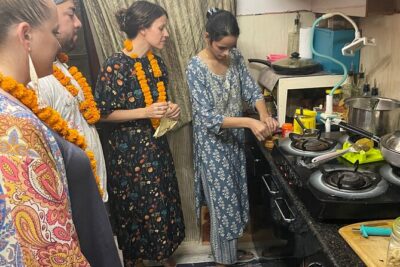
Interactive Cooking Class with a Local Family in Jaipur
Read our review →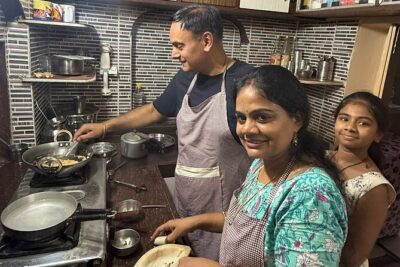
Traditional cooking class and storytelling session
Read our review →
Indian Cooking Class with Local Family in Jaipur
Read our review →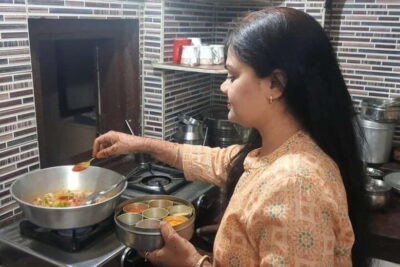
Browse the lists this tour appears in